Discover the Best Organic Food & Grocery Options: Your Guide to Healthy, Ethical, and Sustainable Choices
In a world increasingly focused on health and sustainability, organic food has emerged as a vital choice for consumers seeking to enhance their well-being while supporting ethical farming practices. This guide will explore the myriad benefits of organic produce, the certifications that ensure quality, and the best grocery options available. By understanding the advantages of organic foods, you can make informed decisions that align with your health goals and values. We will delve into the health and environmental benefits of organic produce, the importance of certifications, and how to find the best organic grocery stores and brands. Additionally, we will provide practical tips for meal planning using organic ingredients, ensuring that you can enjoy delicious and nutritious meals every day.
What Are the Key Benefits of Choosing Organic Produce?
Choosing organic produce offers numerous benefits that extend beyond personal health. Organic foods are grown without synthetic pesticides and fertilizers, which can lead to healthier eating habits and a reduced risk of exposure to harmful chemicals. Furthermore, organic farming practices promote biodiversity and improve soil health, contributing to a more sustainable environment. By supporting organic agriculture, consumers also help local farmers and contribute to the economy, fostering a system that prioritizes ethical consumption.
Research further supports the multifaceted advantages of organic farming, highlighting its positive impact on health, environment, and society.
Organic Agriculture: Health, Environment & Social Benefits
Organic farming systems produce lower yields compared with conventional agriculture. However, they are more profitable and environmentally friendly, and deliver equally or more nutritious foods that contain less (or no) pesticide residues, compared with conventional farming. Moreover, initial evidence indicates that organic agricultural systems deliver greater ecosystem services and social benefits.
Organic agriculture in the twenty-first century, JP Reganold, 2016
How Does Organic Food Improve Health and Wellness?
Organic food significantly enhances health and wellness by providing higher nutritional value and reducing exposure to harmful substances. Studies have shown that organic fruits and vegetables often contain higher levels of antioxidants, vitamins, and minerals compared to their conventionally grown counterparts. Additionally, consuming organic produce minimizes the risk of pesticide exposure, which has been linked to various health issues, including hormonal disruptions and neurological problems. By choosing organic, individuals can support their overall health while enjoying fresher and more flavorful food.
What Environmental Advantages Come from Organic Farming?
Organic farming practices offer substantial environmental benefits that contribute to a healthier planet. These methods prioritize soil health through crop rotation, cover cropping, and reduced tillage, which enhance soil fertility and prevent erosion. Moreover, organic farms typically use fewer resources, such as water and fossil fuels, leading to a lower carbon footprint. By promoting biodiversity, organic farming supports ecosystems and wildlife, making it a more sustainable choice for future generations.
Further studies delve into specific organic farming techniques that significantly contribute to robust soil health.
Organic Farming Practices for Soil Health
Combinations of organic amendments such as composts, manures, and vermicomposts improved soil health metrics compared to when applied alone. Including a perennial crop, like alfalfa, consistently improved soil carbon (C), nitrogen (N), and aggregate stability. Soil health metrics were improved under shallow, non-inversion tillage strategies compared with conventional tillage.
Promoting soil health in organically managed systems: A review, KL Tully, 2020
Which Certifications Guarantee the Quality of Organic Foods?
Understanding organic certifications is crucial for consumers who want to ensure they are purchasing high-quality organic products. Various certifications indicate that food has been produced according to specific organic standards, providing assurance of its authenticity and safety.
What Do USDA Organic, Fair Trade, and Non-GMO Labels Mean?
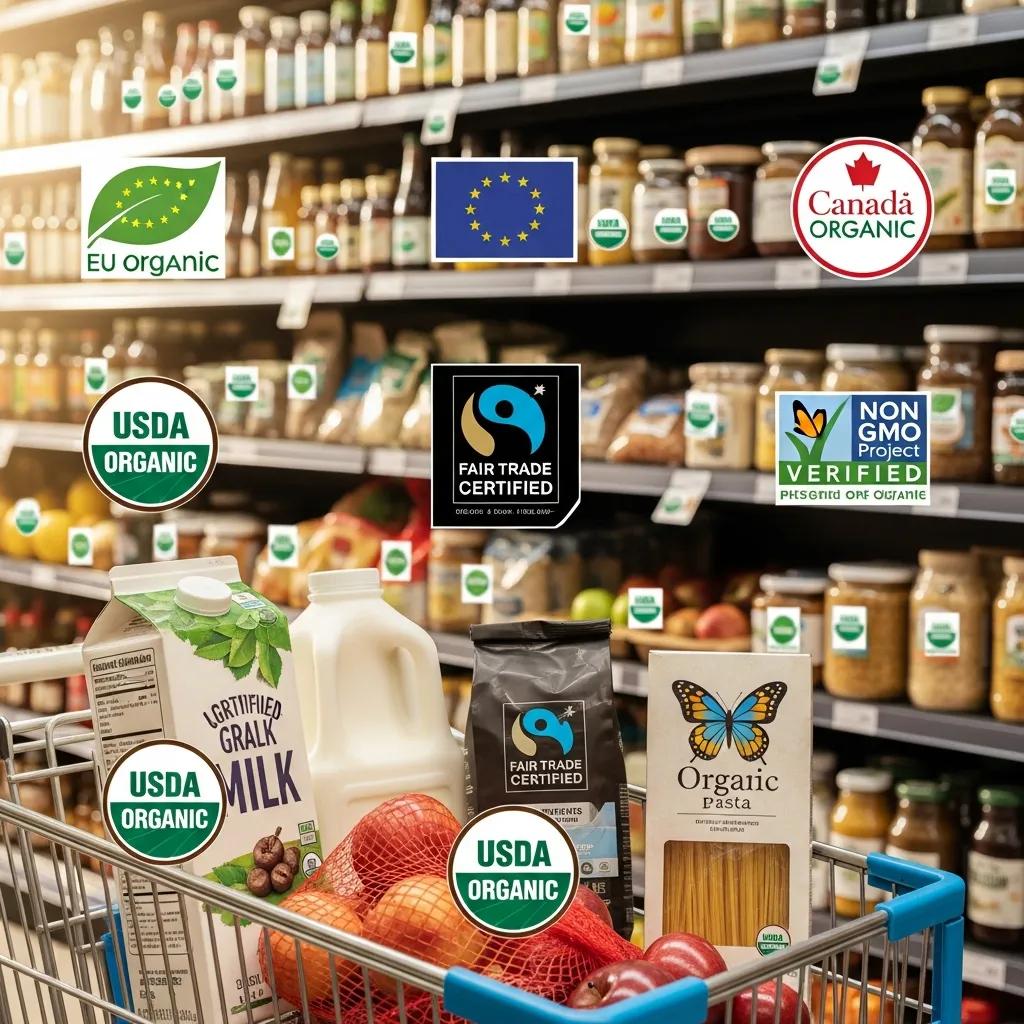
The USDA Organic label signifies that a product has been grown and processed without synthetic fertilizers, pesticides, or genetically modified organisms (GMOs). Fair Trade certification ensures that farmers receive fair compensation and work under safe conditions, promoting ethical consumption. Non-GMO labels indicate that the product does not contain genetically modified ingredients, appealing to consumers concerned about the impact of GMOs on health and the environment.
How Can You Identify Authentic Organic Certification Marks?
Identifying authentic organic certification marks is essential for consumers to avoid misleading claims. Look for recognizable logos, such as the USDA Organic seal, which guarantees compliance with strict organic standards. Additionally, familiarize yourself with common fraud indicators, such as vague labeling or the absence of certification details. By being vigilant, you can ensure that the organic products you purchase meet the highest quality standards.
Where Can You Find the Best Organic Grocery Stores Near Me?
Finding the best organic grocery stores is key to accessing high-quality organic products. When searching for a store, consider factors such as product variety, store practices, and customer service. Many local markets and health food stores specialize in organic offerings, while larger grocery chains often have dedicated organic sections.
What Should You Look for When Choosing an Organic Grocery Store?
When selecting an organic grocery store, prioritize the following criteria:
- Product Variety: Ensure the store offers a wide range of organic fruits, vegetables, grains, and other products.
- Store Practices: Look for stores that prioritize sustainability and ethical sourcing in their operations.
- Customer Service: Friendly and knowledgeable staff can enhance your shopping experience and provide valuable information about products.
How Do Organic Food Delivery Services Compare?
Organic food delivery services have gained popularity, offering convenience and access to a variety of organic products. When comparing these services, consider factors such as delivery fees, product selection, and subscription options. Some services focus on local produce, while others provide a broader range of organic items. Evaluating these aspects can help you choose the best service for your needs.
What Are the Top Organic Brands and Pantry Staples to Include?
Incorporating trusted organic brands and pantry staples into your diet can enhance your meals and support a healthy lifestyle. Many brands prioritize quality and ethical sourcing, ensuring that you receive the best products available.
Which Organic Brands Are Trusted for Quality and Ethics?
Several organic brands have established a reputation for quality and ethical practices. These brands often undergo rigorous testing and adhere to strict organic standards, providing consumers with confidence in their purchases. Researching brand ethics and consumer feedback can help you make informed choices when selecting organic products.
What Essential Organic Pantry Staples Support a Healthy Lifestyle?

Stocking your pantry with essential organic staples can simplify meal preparation and promote healthy eating. Consider including the following items:
- Organic Grains: Quinoa, brown rice, and oats provide nutritious bases for meals.
- Organic Legumes: Beans and lentils are excellent sources of protein and fiber.
- Organic Oils: Extra virgin olive oil and coconut oil are healthy fats that enhance flavor and nutrition.
These staples not only support a healthy lifestyle but also make it easier to prepare delicious organic meals.
How Can You Plan Meals Using Organic Ingredients?
Planning meals with organic ingredients can be both enjoyable and rewarding. By incorporating organic foods into your diet, you can create nutritious and flavorful dishes that align with your health goals.
What Are Easy Organic Recipes for Everyday Cooking?
Creating easy organic recipes can help you incorporate more organic ingredients into your meals. Consider simple dishes like:
- Organic Vegetable Stir-Fry: Quick and colorful, this dish can be made with seasonal organic vegetables and your choice of protein.
- Organic Quinoa Salad: A refreshing salad featuring organic quinoa, fresh vegetables, and a light dressing makes for a nutritious lunch.
- Organic Smoothies: Blend organic fruits and vegetables for a quick and healthy breakfast or snack.
These recipes are not only easy to prepare but also highlight the vibrant flavors of organic ingredients.
How Do Organic Ingredients Enhance Meal Nutrition and Flavor?
Organic ingredients often provide superior nutrition and flavor compared to conventional options. The absence of synthetic chemicals allows the natural flavors of fruits and vegetables to shine, resulting in more delicious meals. Additionally, the higher nutrient content in organic produce can contribute to better overall health, making it a worthwhile investment in your diet.
| Brand | Certification | Product Type |
|---|---|---|
| Brand A | USDA Organic | Organic Fruits |
| Brand B | Fair Trade | Organic Vegetables |
| Brand C | Non-GMO | Organic Grains |
