



Mastering Chess: A Comprehensive Guide to Opening Strategies
Mastering the subtle art of chess opening strategies can propel a novice to a masterful player, capable of cornering their adversary for that decisive checkmate.
Delve into the intricate Indian Defence, where the power of the bishop and knight come to life, dancing across the board in a lethal ballet.
Yet, do not overlook the quieter might of the Colle System, a strategic masterpiece of pawn movement and formation.
Each opening holds the potential to tip the scales in your favor, turning the tides of battle before your opponent can muster their forces.
Keep reading to unveil the secrets that will sharpen your game from the very first move.
Key Takeaways
- Chess Openings Are Crucial in Establishing Control and Setting Up the Game’s Strategic Direction
- Early Development and King Safety Are Fundamental Principles in the Opening
- Certain Openings Like the London System and Latvian Gambit Are Exemplative of Opening Strategy Balance
- Grandmasters Emphasize the Importance of Proper Pawn Structure and Avoiding Repetitive Moves in the Opening
- Successful Chess Strategy Involves Adapting to Opponents’ Moves and Continuous Learning Through Play and Analysis
Understanding the Basics of Chess Opening Strategies

The struggle for dominance in a chess match begins from the very first move.
Key strategies and opening tenets establish the framework for the middle game and can dictate the ultimate trajectory of the match.
A player’s ability to control the center, command the board’s most influential squares, cannot be understated; such tactics lay the groundwork for maneuvering more powerful pieces into decisive positions.
Equally crucial is the early development of knights and bishops, which provides the agility and reach needed for a resilient offense and defense.
Additionally, the principle of king safety is integral to the opening plays, ensuring that one’s monarch is shielded from early aggression.
The London System and the Latvian Gambit, each with its philosophy and approach to chess theory, exemplify the careful balance of aggression and restraint in opening play.
Meanwhile, observing the consequence of moving the same piece repeatedly provides a telling lesson—championed by Boris Spassky and other grandmasters—about the opportunity costs associated with neglecting broader board development.
The user of these strategies must strike a harmonious balance to establish a foothold in the unfolding game.
Recognizing the Importance of Controlling the Center
The board’s central squares are the crucible in which the battle for strategic advantage is forged; mastering this area is akin to holding the high ground in traditional warfare. With openings like the Evans Gambit, players invite their opponents to consume the bait of a pawn to develop rapid piece activity aimed at dominating these vital central squares. The aggressive Benko Gambit follows a similar principle, willingly sacrificing material on the queenside to seize spatial supremacy in the heart of the board, a tactic often echoing the dynamic ideas of Aron Nimzowitsch and the strategic foresight of Savielly Tartakower—a pair of prodigies whose teachings remain as relevant in the mastery of chess today as they were in the past. In searching for analogies in other fields, such as technology, if every chess move was as critical as a line of Javascript, controlling the center would be the equivalent of optimizing the code’s core functionality—a move without which the entire strategy could crumble.
Early Development of Knights and Bishops
Deploying knights and bishops early in a game clears paths for a queen’s entry and castling, essential for fortifying a player’s position on the board. Garry Kasparov and Bobby Fischer, both known for their aggressive playstyles, often employed this tactic within the Ruy Lopez and the Italian Game openings. Their adept use of these pieces in the early stage disrupted opponents’ strategies, carving a clear route to victory while maintaining the privacy of their broader strategic plans.
| Chess Opening | Key Concepts | Grandmaster Proponent |
|---|---|---|
| Ruy Lopez | Central control, King safety, Piece development | Bobby Fischer |
| Italian Game | Rapid development, Control of center squares | Garry Kasparov |
The Principle of King Safety
The shield that protects the monarch in chess—king safety—is tantamount to a nation’s defense in geopolitical strategy. With audacious moves like the Halloween Gambit, players momentarily jeopardize a pawn, luring adversaries into a false sense of security. Grandmasters have long held that safeguarding the king often trumps the aggressive pursuits common in the openings of Italian masters, presenting a paradox where the queen’s power hinges on the safety of the monarchy she serves.
- Establish a solid pawn structure to fend off initial attacks.
- Avoid premature queen deployment, maintaining the mystery of your overall strategy.
- Employ castling to tuck the king away for protection during the early tumult.
Importance of Not Moving the Same Piece Repeatedly
In the theater of chess, where each gambit is carefully orchestrated, repositioning the same piece can be as detrimental as entering an incorrect email address into a database—both actions negate the potential for broader, more effective outcomes. Just as the elephant gambit takes opponents by surprise, unpredictability in piece development can confound the adversary’s strategies, setting the stage for strategic advantages akin to the security provided by a well-timed castling maneuver.
Delving Into Chess Opening Theory
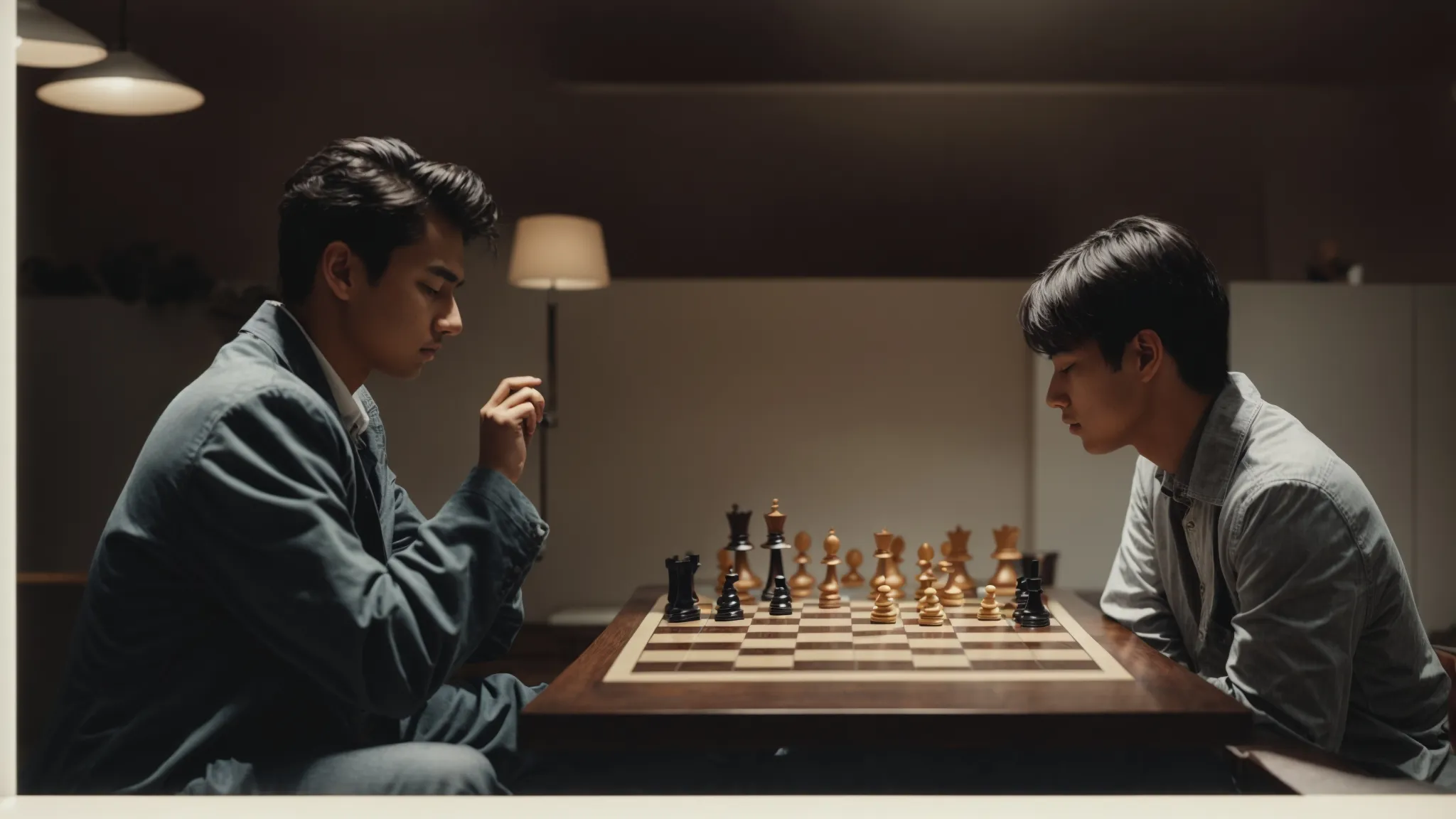
Chess, an enduring game of strategy, continues to evolve as adept players, such as Magnus Carlsen, advance the craft of early gameplay with nuanced maneuvers.
A critical aspect of mastering chess lies in understanding transpositions, where an opening can shift into another, seemingly unrelated one, challenging opponents to adapt their strategies on the fly—a tactic often seen with the wing gambit or the Catalonian opening.
In considering the relevance of classical play, one finds that many time-tested openings retain their place in modern chess due to their robust structures and the valuable information they provide about an opponent’s tendencies, even potentially shaping outcomes in championship games across France.
Furthermore, successful players must be adept at tailoring their responses to the diverse range of strategies employed by their adversaries, ensuring that each move is a calculated response to the unfolding battle of wits.
A Brief Note on Transpositions
In the complex realm of chess opening theory, transpositions offer a cunning practice where a seemingly straightforward sacrifice can lead to an unexpected Slav Defense or morph into the tactical depths of the Scotch Game. With every shift, the strategic landscape alters, transforming a modest Vienna Game into the aggressive thrusts of the Fried Liver Attack, thus keeping an adversary perpetually on their toes and second-guessing their own footing on the battlefield of 64 squares.
The Role of Classic Openings in Modern Play
Despite the relentless evolution of the game, the venerable strategies of classic openings remain deeply embedded in present-day chessboard tactics, where every tempo gained can lead to dominion over one’s opponent. Such time-honored approaches include the Benoni Defense, a resilient formation that continues to challenge adversaries with its blend of finesse and aggressive posturing, mirroring the complexity of a well-crafted privacy policy designed to safeguard a kingdom’s most valuable assets—the security and placement of the king.
Adaptations to Opponent’s Opening Choices
Within the intricate dance of chess, where every movement carries profound implications, the ability to adapt to an opponent’s opening choices cannot be overstated. A seasoned player, confronted with the daring ploys of a Danish Gambit or the cunning traps of a Budapest Gambit, must pivot with precision, never allowing their strategy to stagnate. Equally, when facing the relentless pressure of a Trompowsky Attack, the studied calm of a Four Knights Game, or the fierce onslaught of a Muzio Gambit, a player’s capacity to recalibrate their tactics in real-time is the hallmark of a formidable strategist.
Mastering the King’s Pawn Openings
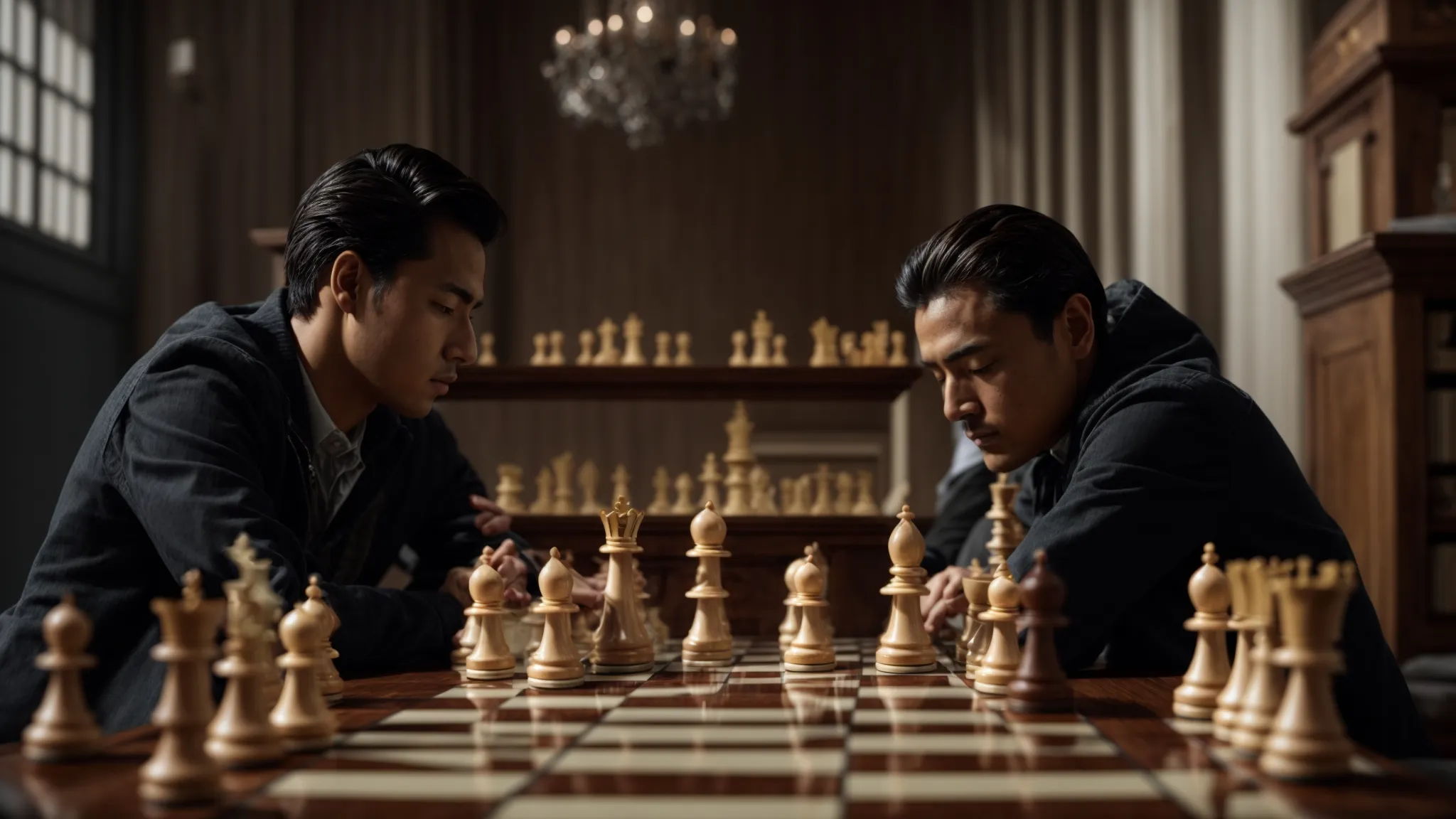
In the pursuit of chess mastery, a deep dive into King’s Pawn openings is indispensable, given their prevalence and potency.
Such openings, rich in strategic and tactical possibilities, pave the way for a master class in board control.
The Italian Game, a time-honored approach unfurling on the wings of judicious knight and bishop placements, sets the stage for a dynamic middle game.
As a counterpoint, the Ruy-Lopez epitomizes classical strategy, employing a bishop maneuver that can swiftly transition into a formidable French Defence or carve out an advantage with subtler means, similar to the crafted strategies in the Réti Opening.
This narrative would be deficient without acknowledging the Sicilian Defense, a refutation of quiet play that leaps into the fray like an aggressive advertising campaign, promising a tangle of deep strategic plans.
With every move, players sketch a diagram of intentions, each line a whisper of the unfolding drama, and each piece a testament to the intricate dance of chess openings.
Exploring the Italian Game Approach
The Italian Game, often initiated through the Giuoco Piano or the Two Knights Defense, opens a dialogue of positional play that can segue into the robust Chigorin Defense, challenging opponents with its complexity. Esteemed for its tactical richness, this opening lends itself well to both over-the-board play and online chess forums, where enthusiasts dissect its nuances in extensive FAQs. It echoes the precision and grace of José Raúl Capablanca, inviting a modern generation of players to navigate its depth, much like the Ponziani Opening beckons with its invitation to strategic diversity.
Leveraging the Power of the Ruy-Lopez
In the realm of strategic play, the Ruy-Lopez stands as a formidable weapon, offering chess aficionados an intricate dance of pawn structure and positional play. Seamlessly blending the aggressive thrust of pawns with the subtle art of the fianchetto, the Ruk-Lopez can swiftly morph through transposition into a myriad of potent attacks, each designed to dismantle an opponent’s defenses with surgical precision.
Strategies for Executing the Sicilian Defense
The Sicilian Defense, with its myriad of complex variations, offers players an aggressive counter to e4, demanding a deep understanding of strategic concepts to be executed successfully. Grandmasters like Anatoly Karpov have demonstrated the potent dynamics of this opening, maneuvering through the labyrinth of possibilities with precision evocative of Wilhelm Steinitz’s pioneering analytical approach. Contrasting the serene development in the Giuoco Piano, the Sicilian’s accelerated fight for the center and queenside activity often unleashes a game as unpredictable and bold as the Bird Opening.
Queen’s Pawn Openings and Their Influence
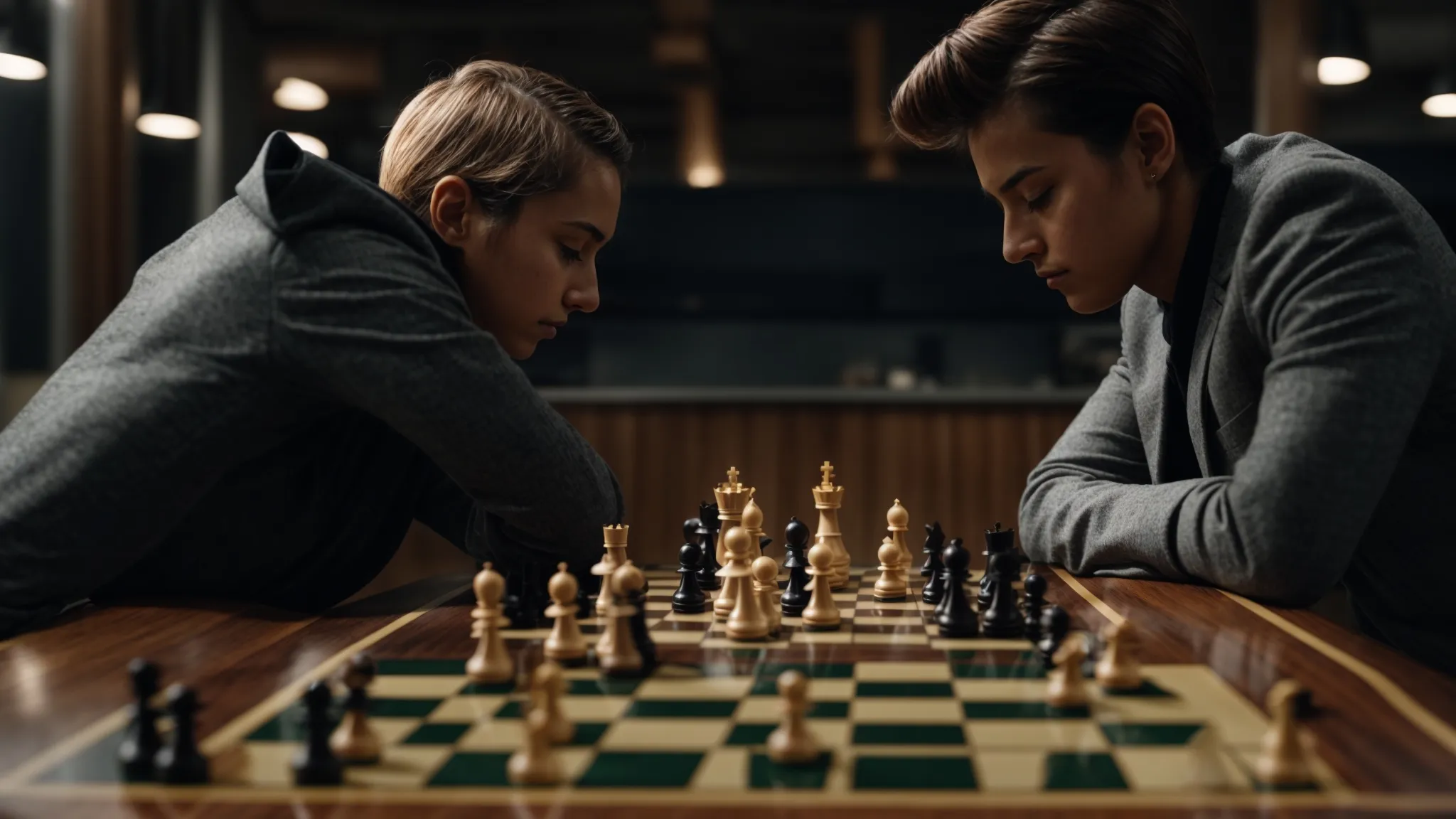
Queen’s Pawn openings lay the foundation for battle strategies that have perplexed generations of chess enthusiasts.
At the heart of these openings lie two venerable systems: the Slav Defense, with its robust structure supporting vigorous counterplay, and the Queen’s Gambit, renowned for the intricate positional duels it incites.
While the Slav Defense fortifies black’s game with a steadfast pawn formation, the Queen’s Gambit opens avenues for white to exert subtle yet decisive pressure.
A profound understanding of these approaches unlocks new layers of depth in both the English Opening and the Scandinavian Defense, while the precise moves of the Torre Attack remind players of the tactical applications these classical openings still hold in contemporary chess.
As players dissect these systems in online forums and over the digital boards that have become harbors of modern competition, the evolution of such strategies in the internet age continues to shape the very bedrock of opening theory in chess.
The Fundamentals of the Slav Defense
The Slav Defense stands as a paragon of durability within the sphere of Queen’s Pawn openings, revered for its ability to maintain a solid structural foundation while enabling counterattacking opportunities. It commences typically with the moves 1.d4 d5 2.c4 c6, where Black supports the central pawn from the side rather than occupying the center directly. The Slav’s unique configuration allows Black to combine a firm defensive stance with the potential to transition into dynamic offensive plays.
- Initial moves solidify Black’s presence in the center.
- Lateral pawn support provides a robust defense, deterring White from establishing overwhelming dominance early on.
- The flexible pawn structure of the Slavenables strategies that cater to both conservative and aggressive players.
Unveiling the Dynamics of the Queen’s Gambit
The Queen’s Gambit unfolds on the chessboard as an audacious challenge, inviting an opponent to grasp a seemingly free pawn and, in doing so, potentially overextend, allowing the initiating player to seize strategic strongholds that can form the basis for a sustained offensive. It’s a testament to the art of war, where the power of suggestion and the bait of temporary gain can set a trap that ensnares even the most vigilant adversary in a web of positional disadvantages. The gambit’s very essence lies in its invitation to dance on the precipice of risk and opportunity, a balancing act that can dictate the course of the game.
The Critical Role of Pawns in Chess Openings
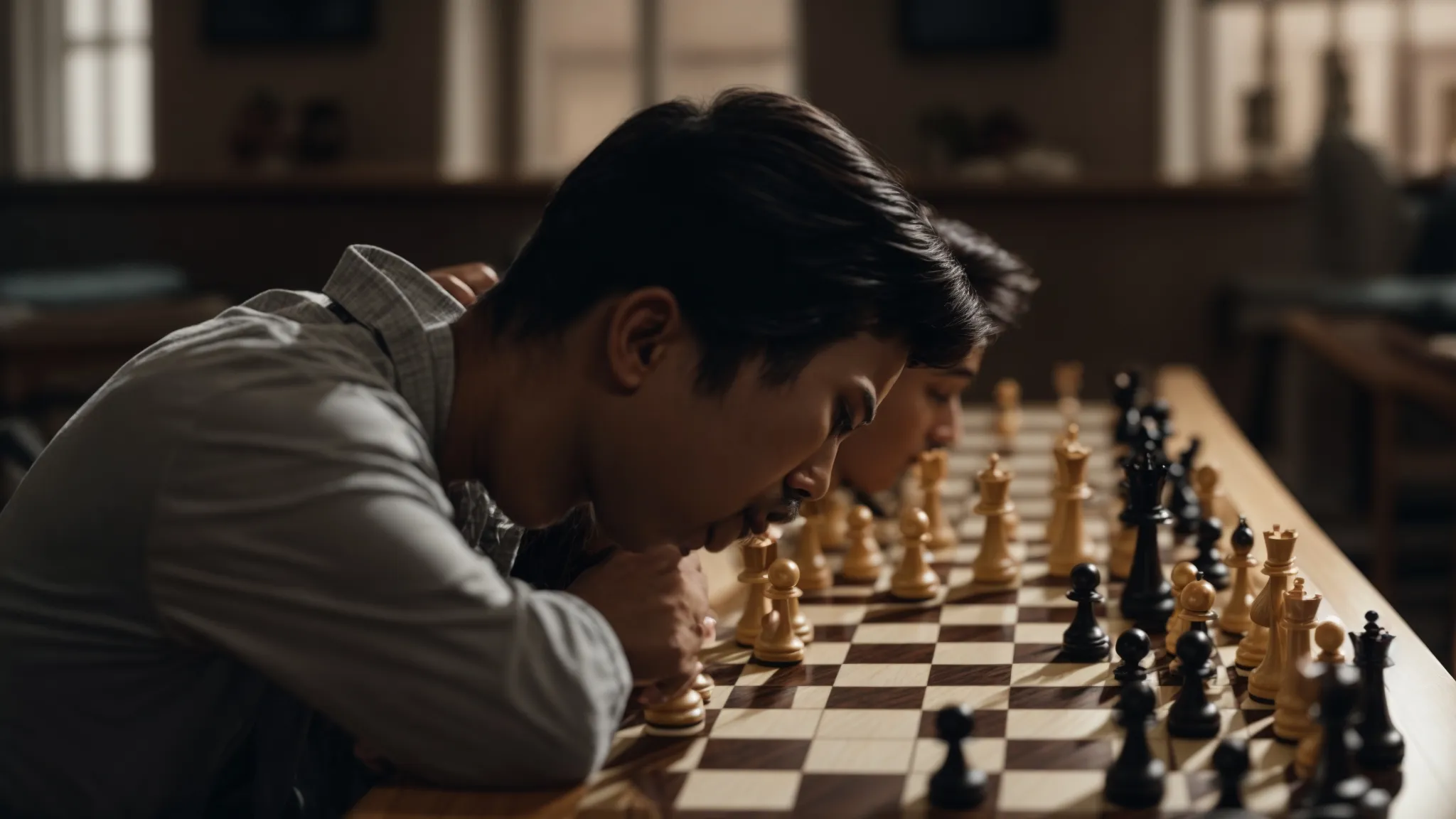
Pawns, often underestimated and overlooked, are the soul of chess, shaping the battlefield with their incremental advances and setting the rhythm of the play from the opening moves onward.
An adept player discerning the nuances of pawn structures can unveil the strategic contours of a game, constructing fortresses or opening pathways to enable the mightier pieces to enter the fray.
The moves of these humble warriors not only underpin your early-game deployment but also intricately dictate the unfolding narrative of positional play.
It falls upon the strategic acumen of each player to wield these units effectively, ensuring that every pawn move is a deliberate stroke in the grand canvas of battle.
Understanding Pawn Structures
The subtle arrangement of pawns across the chessboard serves as the strategic backbone of the game, often dictating the tempo and vitality of a player’s position. Their formation is not just a shield of defense but also a lance of offense, carving out space and influencing the flow and flanks for the rest of the pieces. An astute player, attuned to the harmony between pawns and pieces, can transform these modest beginnings into a forceful dominance that commands respect from the opening through to the endgame.
Pawn Moves That Define Your Opening Strategy
Initial pawn movements are the keystrokes that initiate the complex interplay of chess, setting the tone for a player’s overall strategy. Whether advancing the king’s pawn two squares to dominate the center or pushing the c-pawn to challenge an opponent’s advance, these primary actions serve as the opening notes to the symphony of battle that unfolds. The strategic placement of pawns influences the mobility of heavier pieces, determining the flow of the game right from the first few moves:
e6 (Preparing …d5)
| Opening Move | Strategic Objective | Typical Response |
|---|---|---|
| e4 | Central Control | c5 (Sicilian Defense) |
| d4 | Prepare for Queen’s Gambit | Nf6 (Indian Defense) |
| c4 | Control d5 Square |
Adapting Your Strategy to Your Opponent’s Moves

Adaptation is the cornerstone of competitive chess, a skill that dictates success or failure from the opening moves to the endgame.
The ability to decode an opponent’s tactics and adjust one’s own strategy accordingly not only tips the scale in favor of the observant player but also opens a world of opportunities to gain the upper hand.
Through meticulous observation, players identify key patterns that reveal their opponent’s plans, allowing them to devise counterstrategies.
Meanwhile, flexible thinking becomes critical as the board develops, enabling a player to shift their approach in response to unexpected challenges during the initial phase of the match.
Together these skills create a dynamic force in the pursuit of chess mastery.
Identifying Key Patterns in Opponent’s Strategy
Discerning an opponent’s tactical motifs is a transformative skill in chess, much like identifying emerging trends is to market analysis, both requiring an acute sense of pattern recognition. Successful competitors scrutinize every movement for a hint of recurring positions or sequences; this vigilance helps unveil the underlying strategy, enabling a player to mount a formidable response. By anticipating the implications of each placement, a chess player crafts a reactive strategy that not only obstructs the opponent’s aims but also forges an avenue towards victory.
Flexible Thinking in the Opening Phase
During the formative turns of a chess match, the adept player’s mind remains as agile as a skilled dancer amid a complex routine, shifting strategies with each nuanced pivot of the opponent. A single unpredictable move may compel an immediate recalibration of plans, a testament to the fluid intelligence that distinguishes a proficient chess player from the novitiate. Thus, the opening phase becomes not only a stage for prepared tactics but an arena for spontaneous strategic invention as well.
Will You Allow Me to Help You on Your Chess Journey?

Embarking on a journey to conquer the royal game requires commitment, with every new challenge on the sixty-four squares serving as a valuable opportunity for growth.
Integrating continuous learning and dedicated practice seamlessly blends the art of theory with the finesness of execution.
Players also find that engaging with interactive chess platforms empowers them to explore a vast array of scenarios, sharpening their tactical vision against a global network of enthusiasts and algorithms designed to test their mettle.
For those seeking to elevate their game, these interactive realms offer the perfect crucible for honing skills, nurturing strategic thinking, and placing theory into actionable experience.
Continuous Learning and Practice
Integral to chess mastery is the amalgamation of study and consistent play, where rigorous analysis of grandmaster games enriches the understanding of opening theory, and participation in diverse playing environments refines tactical acumen. Persistence in tackling increasingly complex scenarios fosters an exceptional adaptability that one commands over the 64 squares, catalyzing a transformation from casual player to earnest student of the game.
Engaging With Interactive Chess Platforms
Aspiring chess players and seasoned veterans alike find that interactive chess platforms are pivotal in advancing their skills. These digital arenas provide immediate access to a broad spectrum of opponents and instructional resources, fostering an enriched learning environment that transcends geographical boundaries and time zones. From real-time matches to turn-based games, these platforms tailor the learning experience to individual needs and pace, revolutionizing the way players engage with the ancient game.
| Feature | Benefit | Platform Example |
|---|---|---|
| Real-Time Matches | Refines swift decision-making and time management | Chess.com |
| Instructional Resources | Enhances strategic understanding and skill acquisition | Lichess.org |
| Turn-Based Games | Allows for deep analysis and flexible scheduling | ChessTime |
Conclusion
An in-depth understanding of chess openings is fundamental to gaining strategic ground, whether by controlling the center or ensuring early development of key pieces.
Mastering openings such as the Ruy Lopez and Sicilian Defense can shape the entire game, giving players the edge in dictating play and adapting to opponents’ strategies.
Through continuous learning and engagement on chess platforms, players can transcend basic knowledge, refining their own tactics and responsiveness.
Ultimately, opening mastery lays the groundwork for a commanding presence across all phases of a chess match, heralding the rise of adept players in this timeless strategic contest.