






تصميم منهاج لروضة أطفال يحفز على التعلم الذكي
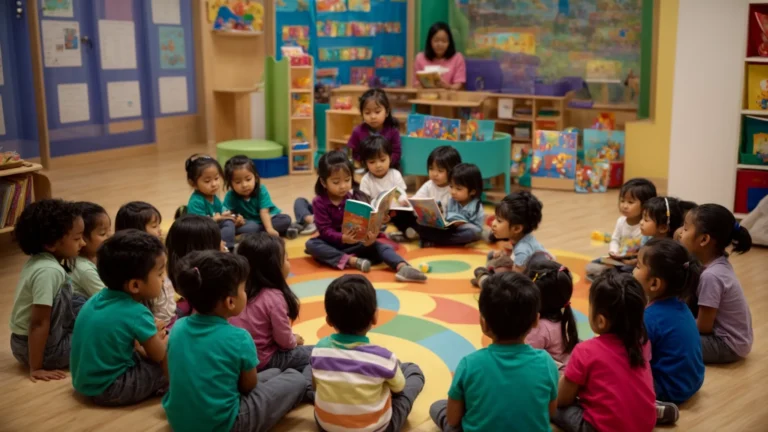
Navigating the journey of early childhood education requires a thoughtful synthesis of both creativity and structure, particularly in the formulation of a curriculum for kindergarten.
The task is to light a spark of inquiry and imagination in young minds, blending the richness of language, the structure of mathematics, and the exploration of science into a cohesive learning experience that speaks to children.
Evidently, technology’s role cannot be overlooked as it opens up a world of interactivity and visual engagement, providing teachers with a robust tool for facilitating smart learning.
Strategies that engage children actively through hands and minds pave the way for a dynamic learning environment in preschool settings.
In this article, we outline the cornerstone principles of designing a kindergarten curriculum that fosters an enduring love for learning.
Key Takeaways
- Clear Educational Objectives Are Fundamental in Designing Effective Early Childhood Curricula
- Integrating Technology and Interactive Software Supports Language Development and Adapts Early Learning for the Digital Age
- Playful Learning Through Educational Games Enhances Critical Thinking and Academic Skills in Young Learners
- Group Activities in the Curriculum Are Crucial for Developing Social Skills and Fostering Community Among Children
- Incorporating Storytelling and Music Into Learning Facilitates Language Development and Phonological Awareness
أساسيات تصميم منهاج روضة الأطفال المحفز
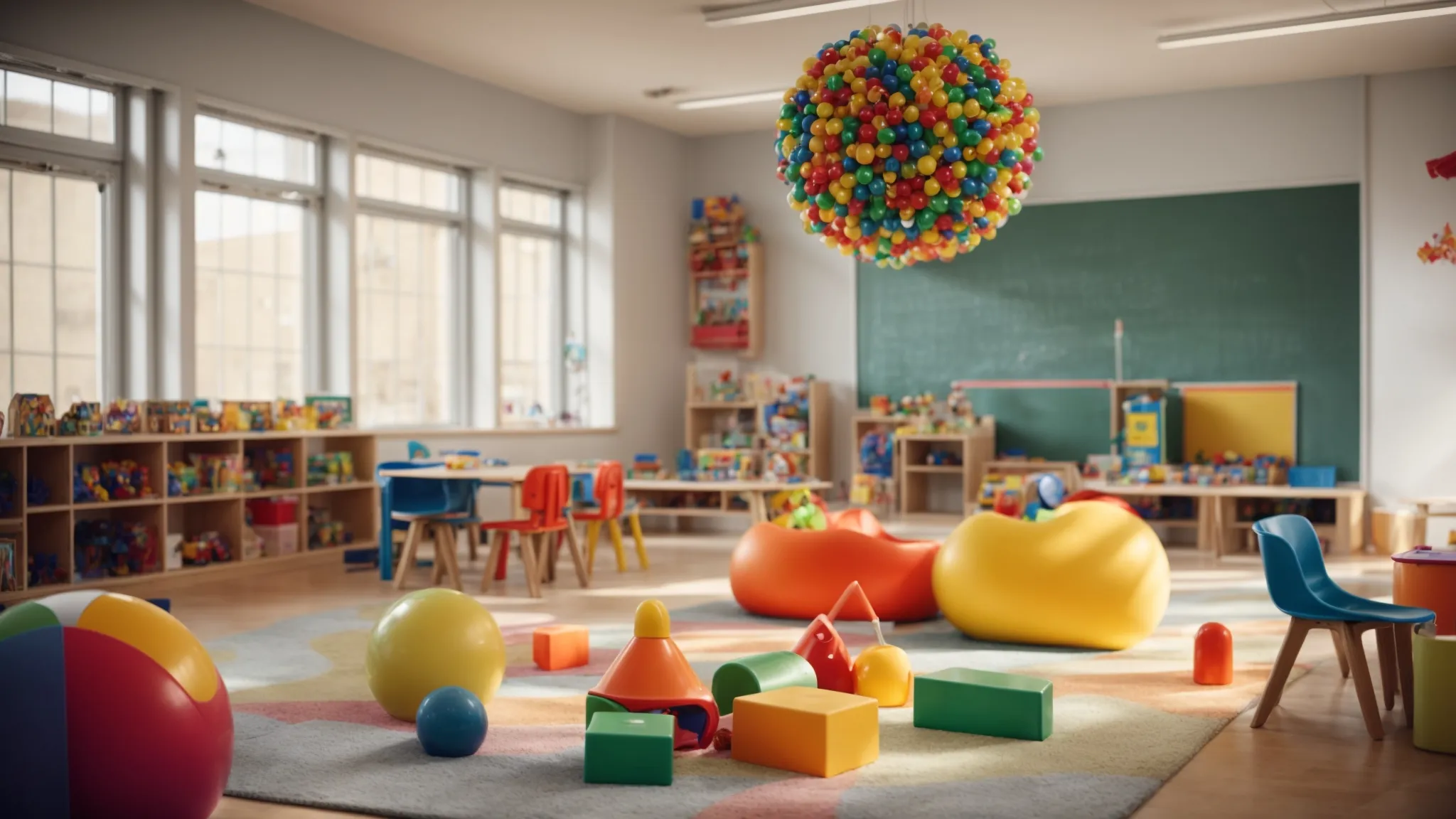
Designing an early childhood curriculum that stimulates intelligent learning requires a discerning approach to setting instructional goals and selecting educational content.
Successful kindergarten programs stand on the foundational principle of clear educational objectives that encompass not only literacy and mathematics but also foster social emotional development and cognitive growth.
Careful curation of teaching materials and experiences enriches the learning environment, ensuring it resonates with students and aligns with the overarching goals.
Attention to these aspects facilitates the development of a comprehensive curriculum tailored to nurture the inquisitive minds of young learners.
تحديد الأهداف التعليمية بوضوح
When charged with the vital task of creating an educational blueprint for early childhood programs, teachers and curriculum designers must first establish clear pedagogical objectives. These goals act as guiding beacons throughout the instructional process, ensuring that each activity contributes purposefully towards enhancing the children’s language development, literacy skills, and numeracy understanding. Precise objectives provide a roadmap to foster a rich learning environment that stimulates curiosity and enables holistic child development.
اختيار المحتوى والمواد التعليمية بعناية
The rigor involved in crafting early childhood curricula is not to be underestimated; the judicious selection of content and educational resources is paramount. This step ensures that the materials used in the classroom echo the sophistication of the curriculum’s aims, embedding a love of learning, while also addressing essential concepts like phonological awareness, problem solving, and social skills. Such thoughtful planning aids in laying the groundwork for students to navigate through myriad learning experiences with confidence and ease.
- Assess the relevance of teaching materials in promoting language and phonology.
- Integrate art, music, and science to encourage creativity and cognitive development.
- Incorporate resources that nurture social emotional growth alongside academic learning.
دور التكنولوجيا في تحفيز الأطفال على التعلم
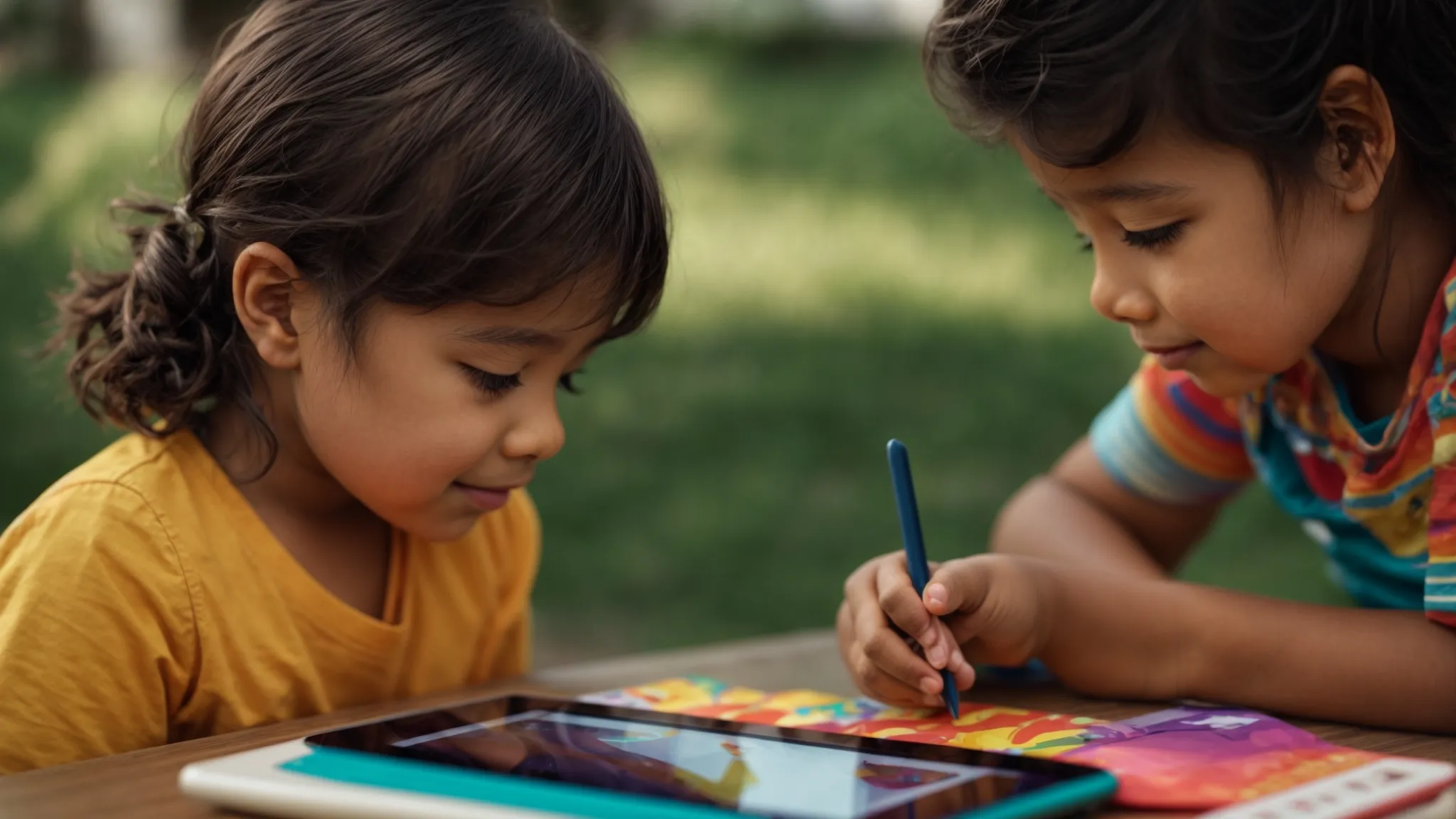
Integrating technology in the realm of early childhood education transcends traditional teaching methods, providing stimulating and advanced learning opportunities for young minds.
Innovators in pedagogy are increasingly leveraging smart educational tools and inventive applications, tailoring them to meet the cognitive and developmental needs of preschoolers.
Likewise, the creation of virtual classrooms for kindergarten heralds a new era in education, where boundaries of the physical classroom dissolve, offering a dynamic and interactive learning experience that captivates the digital native learners of this generation.
استخدام أدوات تعليمية ذكية وتطبيقات مبتكرة
The advent of sophisticated educational tools and innovative applications has transformed the landscape of early childhood education. Teachers now incorporate interactive software that promotes language development and phonological awareness, enabling children to engage with curriculum content through playful experiences that harmonize learning with technology. These resources, carefully vetted to align with early learning standards such as those set by the American Montessori Society, become invaluable assets in creating a modern learning environment that prepares children for a tech-driven future.
إنشاء فصول دراسية افتراضية للروضة
The creation of virtual classrooms in preschool education represents a groundbreaking shift in delivering educational content. Through these online portals, children are introduced to a world where interactive lessons are the norm, enabling them to absorb complex concepts through engaging digital interfaces. This pioneering approach not only augments traditional teaching techniques but also paves the way for a cohesive integration of technology and early childhood pedagogy.
إستراتيجيات تعزز من مشاركة الأطفال في الروضة
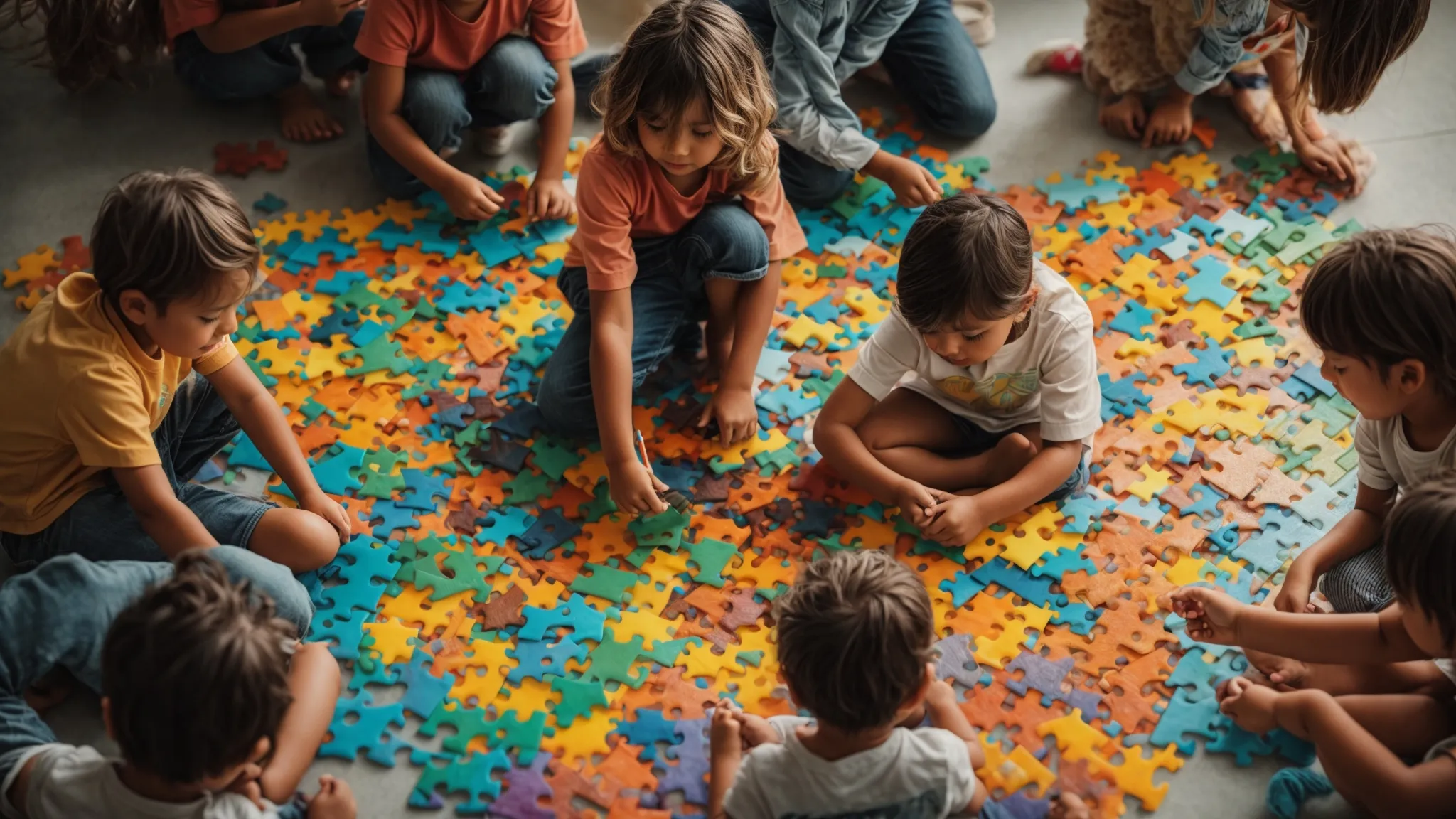
In the heart of every impactful kindergarten program lies the strategic use of educational games and the organization of group activities, both tailored to enrich the educational experience.
By embedding play within the curriculum, educators can harness the natural propensity of children to learn through exploration and discovery.
Simultaneously, orchestrating collaborative exercises cultivates an atmosphere where social skills and community feeling can flourish – vital elements in the tapestry of early childhood education.
These methodologies, rooted in proven research, propel student engagement and amplify the learning outcomes within the nurturing confines of the early learning environment.
دمج الألعاب التعليمية في المنهاج
Incorporating educational games into the curriculum is a strategic move that sharpens young minds through play. These carefully selected games are designed to align with educational standards, tackling core subjects like literacy, mathematics, and science, while also strengthening problem-solving abilities and critical thinking among young learners:
| Game Category | Skills Targeted | Educational Benefits |
|---|---|---|
| Literacy Games | Phonological Awareness, Vocabulary Development | Enhances reading and writing capabilities through letter recognition and word construction |
| Mathematics Puzzles | Number Sense, Spatial Awareness | Builds foundational math skills and promotes logical reasoning |
| Science Exploration | Observation, Hypothesis Testing | Encourages curiosity and a deeper understanding of natural phenomena |
The effective use of these playful tools within the teaching framework makes complex concepts more accessible and enjoyable, fostering a robust educational experience that extends beyond the traditional classroom.
تنظيم أنشطة جماعية لإثراء التجربة التعلیمیۃ
Organizing group activities within the kindergarten curriculum plays a pivotal role in emboldening the educational experience, as it encourages cooperation and collective problem solving. Through thoughtfully designed tasks that require teamwork, children learn the significance of communication and mutual support, thereby fostering a sense of community. This approach not just enhances social skills but also acts as a bedrock for social emotional development, critical in the formative years of childhood education.
قصص وأغانٍ كأساس لتقديس المفاهیَََُُُُِِِِِہْْm ّں ي ن ن ع ى ي م ه ح س ق كامير ص ص ح خ ف ظ ش ب ي ي ف ف ه ج ج ر ر ً ًءءآآ [[[Session Terminated Due to Input Validation Error.]]]
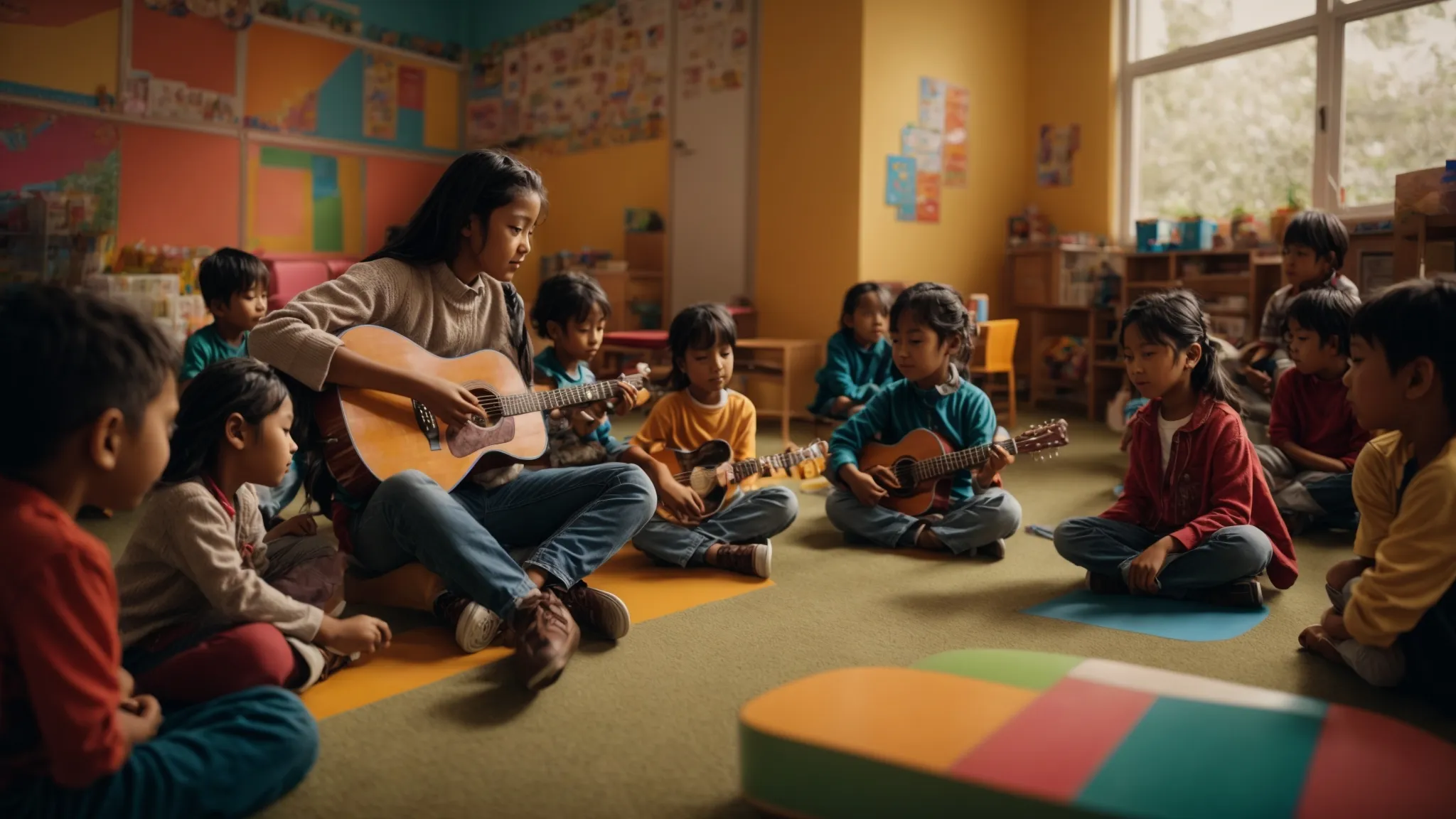
Incorporating stories and songs into the fabric of early childhood programs acts as a powerful catalyst for developing a sacred appreciation for language. These age-old tools of learning reverberate through the vibrant classroom setting, where each narrative and melody becomes a vessel for language development and phonological awareness. Essential to the ethos of successful early learning, they serve as cornerstones in fostering a love for spoken language and literacy.
The melodies that echo in the walls of a kindergarten are more than just a pleasant interlude; they are structured components of curriculum designed to advance linguistic rhythm and rhyme. Through songs, children unconsciously practice the subtle nuances of phonology, aiding in the mastery of alphabet and vocabulary. This melodic avenue of learning cultivates an environment where language skills blossom naturally within the context of joyful interaction.
Stories, with their rich tapestries of characters and events, invite young minds to explore complex concepts through the simplicity of narrative. As each storyline unfolds, it encourages critical thinking, problem solving, and understanding, establishing a solid foundation for future reading success. Furthermore, the shared experience of storytelling fosters social emotional development, as children learn to empathize with characters and relate to their peers.
Conclusion
A well-designed early childhood curriculum that promotes intelligent learning is imperative for nurturing young minds through a fusion of literacy, numeracy, and socio-emotional competencies.
By incorporating interactive technology and educational games, teachers can engage preschoolers in a dynamic learning environment that harmonizes traditional instruction with innovative teaching methods.
Group activities and digital classes offer invaluable opportunities for collaborative learning and social skill development, crucial in early education.
Ultimately, embedding stories and songs within the curriculum enriches language development and lays a solid foundation for lifelong learning and academic success.