




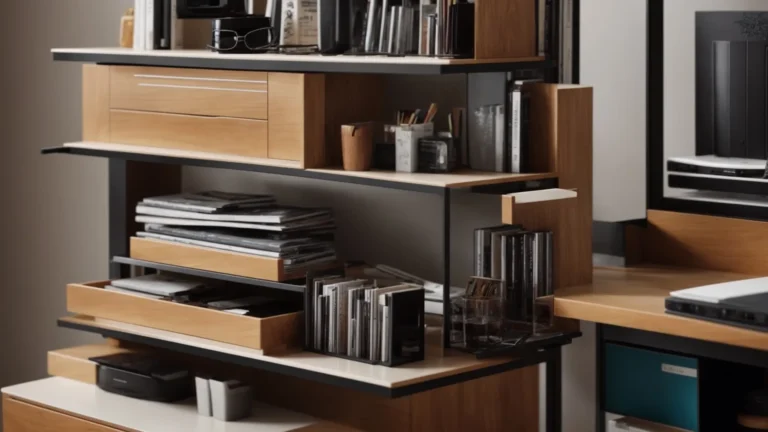
Desk Organization Ideas for Small Spaces
Cramped quarters often demand ingenious solutions, especially when it comes to maintaining a tidy and productive work area.
With a surge in remote working and urban living, the value of space has skyrocketed, making organization in small-office environments not just preferable, but necessary.
From cleverly repurposed household items to space-saving furniture designed to declutter, there is a treasure trove of options available to transform your cramped desk into an oasis of order and productivity.
In this article, we’ll explore the smart strategies and must-have organizers that promise to help you reclaim every inch of your precious desk space.
Keep reading to learn how to create a functional, serene work zone, no matter the size constraints.
Key Takeaways
- Efficient Desk Organization Requires Strategic Use of Space and Minimalism
- Innovative Storage Solutions Like Vertical Shelves and Under-Desk Cabinets Can Maximize Space in Small Work Areas
- Regular Decluttering and Maintaining an Orderly System Are Essential for Workspace Productivity
- DIY Solutions Can Provide Customizable and Cost-Effective Organization Options
- Embracing Technology Like Wireless Charging Pads Can Reduce Clutter and Enhance Desk Space Efficiency
Maximizing Your Desk Space in Tiny Work Areas

As urban living spaces shrink, the need for efficient and space-saving solutions in office environments becomes increasingly pressing.
A cluttered desk not only hampers productivity but also contributes to a chaotic ambience that can dampen one’s work spirit.
To tackle this, a blend of intelligent design and strategic organization can transform even the most confined desk spaces into functional, serene work zones.
Embracing a slim, minimalist desk lays the groundwork for an open work area, while incorporating a monitor riser or wall mount can free up valuable real estate on the desk surface.
Drawer organizers serve to keep essentials neatly compartmentalized, and prioritizing possessions ensures that only necessary items claim a spot on your desk.
For those items not in regular use, turning to vertical or under-desk storage solutions can significantly amplify storage space without encroaching on the rest of the room.
Lastly, cultivating the habit of regular decluttering wards off the accumulation of unnecessary items, thereby maintaining the sanctity of an orderly workspace.
1. Choose a Slim, Minimalist Desk
Selecting furniture with a lean silhouette is essential when maximizing limited floor space. A sleek, minimalist desk not only enhances the room’s visual expansiveness but also serves as an unobtrusive foundation to a productive workspace. Removing bulky furnishings in favor of slim alternatives allows for greater maneuverability and offers a clean, uncluttered area to focus on tasks at hand.
2. Invest in a Monitor Riser or Wall Mount
The judicious use of a monitor riser or wall mount takes advantage of seldom-utilized vertical space, thus providing a two-fold benefit: it elevates the screen to an ergonomic eye level, effectively reducing strain during long work sessions, and concurrently frees up the surface of the desk for other indispensable office tools and materials.
3. Use Drawer Organizers for Essentials
In the quest for orderly and efficient use of desk space, integrating drawer organizers stands as a smart strategy to compartmentalize office supplies. Pens, clips, and other small but vital tools are seamlessly kept within reach, secured in an organized manner that prevents the dreaded disarray of miscellaneous items sprawling across the work area. Using such organizers in desk drawers transforms a jumbled space into a streamlined hub for productivity and quick access.
4. Keep Only What You Need on the Desk
Practicing discernment in what occupies your desk is paramount for maintaining an efficient workspace: Dedicate the surface to high-usage items like your computer, a notepad for jotting quick notes, and perhaps a small plant to enliven the space with a touch of greenery.
| Item | Frequency of Use | Location |
|---|---|---|
| Computer | Daily | Center of Desk |
| Notepad | Multiple times a day | Side of Desk |
| Desk Plant | Adorns the space | Corner of Desk |
5. Opt for Vertical or Under-Desk Storage Solutions
Vertical storage solutions capitalize on space that often goes underused: the airspace above your desk. By installing floating shelves or utilizing a tall bookcase, you create an arena for storing books, files, and office supplies without sacrificing valuable desk space. Similarly, under-desk storage systems, such as pull-out drawers or a slim filing cabinet, can cleverly hide away items while keeping them accessible.
- Select a minimalist desk to preserve floor space.
- Utilize a monitor riser or wall mount for better ergonomics and extra surface area.
- Integrate drawer organizers to keep office essentials sorted and at hand.
- Maintain a clutter-free workspace by housing only frequently used items on the desk.
- Incorporate vertical shelves and under-desk drawers to maximize storage potential.
6. Regularly Declutter Your Workspace
Maintaining an organized workspace is a continuous process, not a one-time effort. Regular decluttering ensures that your desk remains a dedicated zone for productivity, without the distractions and hindrances of accumulated clutter: Granted, it might require setting a reminder to sort through documents, inspect drawers, and eliminate redundant items, but this habit ensures that your space stays functional and freeing.
| Action | Frequency | Effect on Workspace |
|---|---|---|
| Sort through documents | Weekly | Prevents pile-up of paper |
| Inspect and organize drawers | Bi-weekly | Maintains order and accessibility |
| Eliminate redundant items | Monthly | Retains essential items, freeing up space |
Creative Desk Organization Hacks for Small Spaces
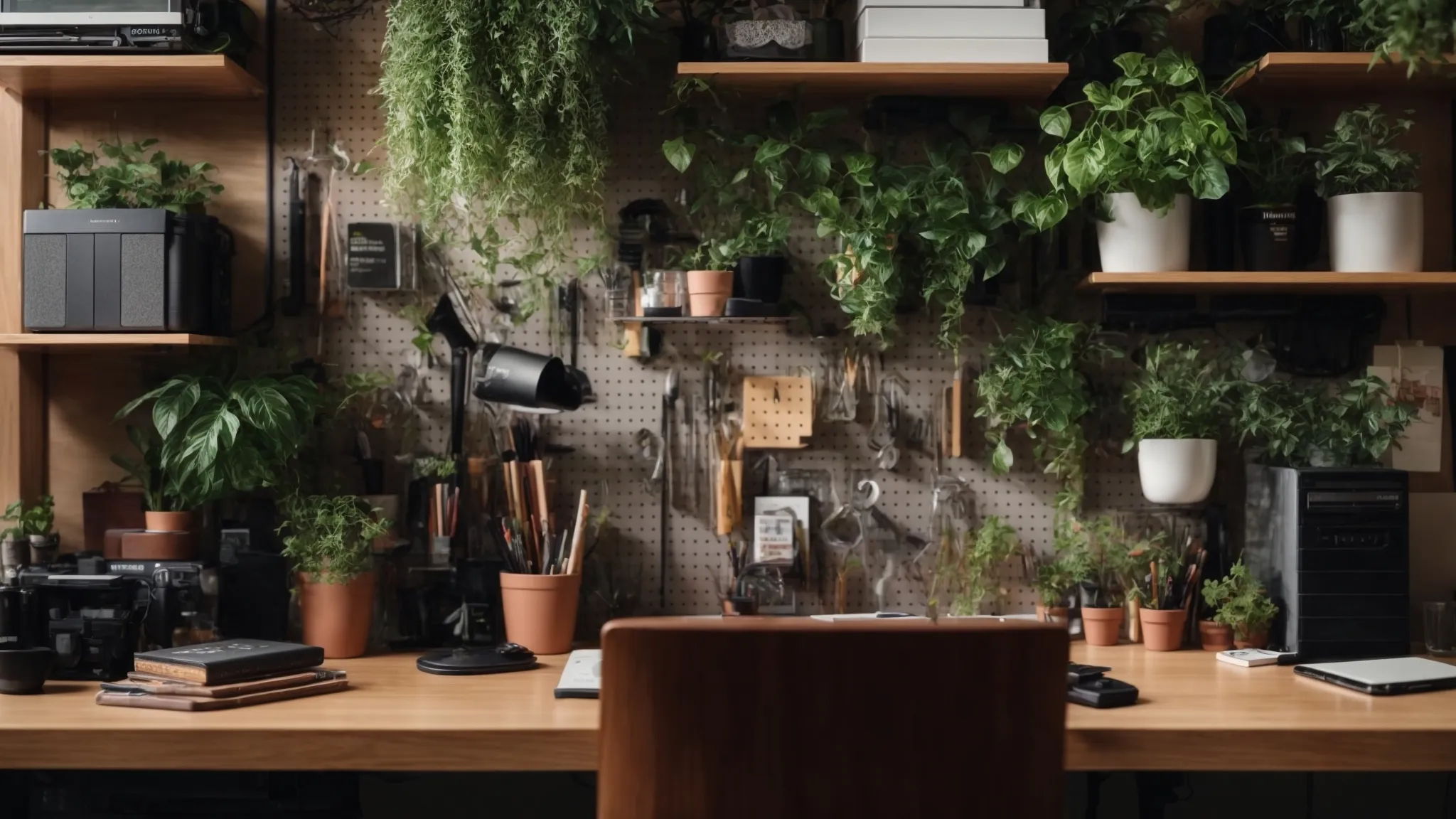
As space becomes a luxury in the constraint of small offices, the creativity in maximizing the utility of every square inch is paramount.
Ingenious desk organization strategies require looking beyond traditional storage options to tap into uncommon yet effective methods for decluttering and arranging your work essentials.
Adapting household items for organizational use can yield surprisingly functional results, while incorporating unique solutions such as magnetic strips and pegboards injects a new level of adaptability into your workspace.
Under-desk rails offer an unexpected haven for hanging items, and even the unassuming back of a monitor presents an opportunity for discreet note placement—each hack serving as a testament to the ingenuity of space-conscious design.
1. Repurpose Household Items as Organizers
Ingenious organization begins with seeing the ordinary in extraordinary ways; kitchen items, such as a spice rack or a utensil holder, can be ingeniously transformed into desktop caddies for corralling pens and office supplies. An empty tin can wrapped in stylish adhesive paper becomes a chic container for storing scissors and rulers, redefining the purpose of everyday objects to suit the demands of space-efficient office organization.
2. Use Magnetic Strips for Metal Supplies
Securing a magnetic strip along the wall or the edge of a shelf introduces a sleek and space-saving solution for keeping metal office supplies such as scissors, paper clips, and staplers within arm’s reach. This clever adaptation not only clears the clutter from the desk surface but also adds a modern, aesthetically pleasing element to the organization of the workspace.
3. Hang Pegboards for Flexible Storage
Pegboards extend the possibilities of spatial efficiency, allowing for a customizable arrangement that can be adapted to suit ever-changing storage needs. These versatile boards, often used in tool organization, offer a unique solution for office environments, where hooks and baskets can hold anything from tape dispensers and cables to lightweight reference books and sketchpads. By leveraging a pegboard’s modifiable nature, those in cramped quarters can curate their workspace with an ease that traditional storage methods fail to provide.
4. Add a Rail Under the Desk for Hanging Items
The often-overlooked area beneath a desk offers untapped potential for unobtrusive storage solutions: an under-desk rail provides an elegant means to keep essentials like headphones, cables, and bags within easy grasp yet out of sight. By affixing a simple rail along the desk’s underside, a hidden trove for hangable items materializes, thereby capitalizing on every square inch of available space:
- Affix a sleek metal rail beneath the desk surface.
- Utilize hooks or clips to suspend frequently used items like headphones or a work bag.
- Reap the benefits of a decluttered desk area while maintaining easy access to your essentials.
5. Utilize the Back of the Monitor for Sticky Notes
In many office setups, the rear side of a computer monitor remains an underutilized space, ripe for transforming into an unconventional yet effective note-keeping zone. Attaching sticky notes to the back of the monitor provides a discreet spot for reminders or to-do lists, maintaining a clean and organized desk surface for more immediate tasks. This smart space-saving tactic ensures vital information stays within sight yet does not intrude upon the workspace’s order and aesthetics.
Best Organizers for Small Desk Spaces
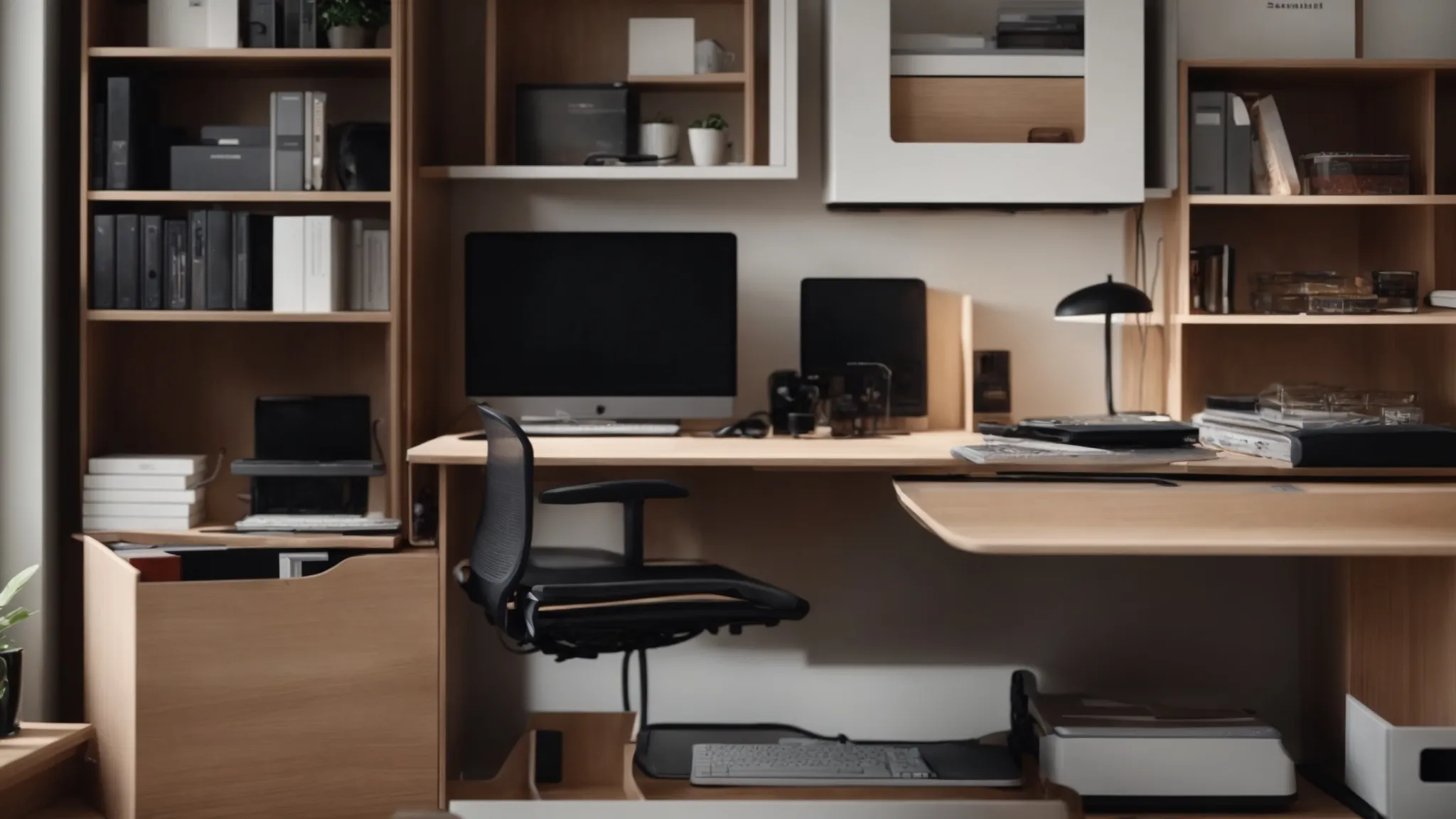
In a compact workspace, every square inch counts and selecting the right organizers can transform a cramped desk into an oasis of order and efficiency.
Innovative solutions like compact keyboard trays cleverly maximize desk space while maintaining functionality, and slim shelf units utilize vertical real estate to keep items accessible yet out of the way.
Desk corner shelves offer a unique angle on storage, turning otherwise wasted corners into prime organizational territory.
For the items that need to be stowed away neatly, under-desk drawers and file cabinets provide discreet storage options.
Additionally, multi-purpose organizers can play a pivotal role in keeping small desk accessories organized and within easy reach, further streamlining the work environment for optimal productivity.
These space-savvy organizers bring together practicality and sleek design to ensure even the smallest workspaces remain uncluttered and conducive to focus.
1. Compact Keyboard Trays and Organizers
In the symphony of small desk space organization, compact keyboard trays and organizers conduct a harmonious blend of functionality and space efficiency. By sliding under the desk when not in handful use, keyboard trays optimize desk real estate, and dedicated compartments for office accessories ensure that every pen, paperclip, and notepad has a designated home, thereby streamlining workflow and keeping the desk surface clear for greater productivity:
| Organizer Type | Function | Benefit |
|---|---|---|
| Compact Keyboard Tray | Stores keyboard under desk | Frees up desk surface |
| Desk Organizer | Sorts small accessories | Promotes order and quick accessibility |
2. Slim Shelf Units for Vertical Storage
Embracing vertical space through the strategic placement of slim shelf units can work magic in a confined work nook. These slender, towering designs not only draw the eye upward, creating the illusion of a larger area, but they also serve as the quintessential havens for books, office supplies, and decorative items: The adoption of slim shelves represents a leap in maximizing both storage space and the aesthetic value of small-scale offices.
| Shelf Unit Type | Function | Location | Benefits |
|---|---|---|---|
| Freestanding Slim Shelf | Book and supply storage | Adjacent to desk | Minimizes footprint, offers generous storage |
| Wall-Mounted Ledge | Display art and organize smaller items | Above desk | Keeps desk surface clear, decorates the space |
| Corner Shelf Unit | Utilizes unused corner space | Desk corner | Enhances storage in otherwise wasted areas |
3. Desk Corner Shelves to Maximize Space
Desk corner shelves ingeniously fill an often-ignored gap, turning the angular recesses behind monitors and stationery holders into prime organizational real estate. By capitalizing on these angled nooks, individuals can transform underutilized areas into key spots for arranging and stashing office necessities, ensuring that every square inch is exploited for maximum productivity and streamlined work flow.
4. Under-Desk Drawers and File Cabinets
For those battling the squeeze of limited square footage, under-desk drawers and file cabinets offer a seamless solution, nestling beneath the work area to provide hidden yet handy storage compartments. This ingenious approach to organization retains a clean line of sight, promoting a perception of a more expansive space while keeping important documents and supplies well within reach.
5. Multi-Purpose Organizers for Small Items
Combating the clutter of a limited workspace demands inventive solutions that do not compromise on style or functionality, and multi-purpose organizers hit the mark. These versatile organizing aids often come with adjustable compartments, ensuring that each pen, staplet, and sticky note finds its rightful place, and some may even feature modular designs to accommodate a variety of storage needs. In the game of small desk optimization, multi-purpose organizers are the unsung heroes, marrying convenience with a minimal footprint.
| Organizer Type | Key Features | Benefits |
|---|---|---|
| Adjustable Compartment Organizer | Customizable sections for different items | Flexibility to suit diverse storage needs |
| Modular Desktop Organizer | Interchangeable parts for different setups | Adaptable to changing workflows and desk layouts |
| Caddy Organizer with Drawer | Incorporated drawer; vertical compartmentalization | Maximizes vertical space; hidden storage for less aesthetic items |
Desk Organization Tips for Efficiency in Small Spaces

In the realm of small workspaces, desk organization is not merely a practice but a linchpin for productivity and workflow.
A clean and well-arranged desk paves the way for a more focused and stress-free work environment.
With the application of a few strategic systems and habits, such as adopting a minimalist aesthetic, setting up a paper filing system, and organizing items neatly into designated spots, even the most cramped spaces can become a bastion of efficiency.
By grouping similar items together and tackling the inevitable build-up of clutter with a weekly decluttering routine, these desk organization ideas are designed to foster an environment where creativity and productivity thrive amidst limited square footage.
1. Adopt a Minimalist Approach to Desk Decor
Embracing a minimalist aesthetic when decorating a desk goes beyond mere visual appeal; it’s about creating an uncluttered sanctuary that promotes mental clarity and efficiency. By selecting only the most essential items, such as a slim lamp for adequate lighting and a single frame for personal touch, one ensures that every addition to the desk serves a purpose, thereby maintaining a spacious and conducive work environment amidst limited space.
2. Set Up a Paper Filing System to Reduce Clutter
An orderly filing system is the cornerstone of a clutter-free desk environment, especially in small spaces where paper can quickly overrun the work area. By allocating a compact filing cabinet or a series of labeled baskets to organize incoming documents, receipts, and other paperwork, individuals can significantly mitigate surface clutter and maintain a streamlined workspace. This strategic use of storage not only makes important documents readily available but also reinforces a sense of order, creating an oasis of calm in a potentially chaotic office setting.
3. Group Similar Items Together in Trays or Cups
Achieving a semblance of order in the compact confines of a small desk space calls for the clever clustering of like items, a tactic which both conserves space and enhances efficiency. Employing trays and cups as vessel for these groups not only keeps similar office tools — such as pens, markers, and scissors — bundled and accessible but also prevents workspace sprawl from undermining the serenity and function of the desk area.
4. Designate a Spot for Everything on Your Desk
Inspired by the principles of interior design, achieving organizational harmony in a small desk space is realized by assigning a permanent spot for every item. A designated place for everything—from the daily calendar to the stapler and the coffee mug—nurtures a sense of order, helping to swiftly locate any item and return it to its rightful place with ease, thus maintaining an uncluttered and functional desk environment.
5. Perform a Weekly Decluttering Routine
Adhering to a weekly decluttering routine is the linchpin in maintaining an organized and efficient small desk space: By setting aside time each week to sort through and organize the contents of your desk, you actively prevent the accumulation of clutter that can disrupt your workflow. This habitual practice ensures that the desk remains a dedicated area for productivity, devoid of unnecessary distractions.
- Schedule a specific day and time for weekly decluttering.
- Discard or file away any paper that is no longer needed.
- Check each drawer for items that can be stored elsewhere or thrown out.
- Wipe down the desk surface to keep the space clean and inviting.
Innovative Products for Small Desk Organization
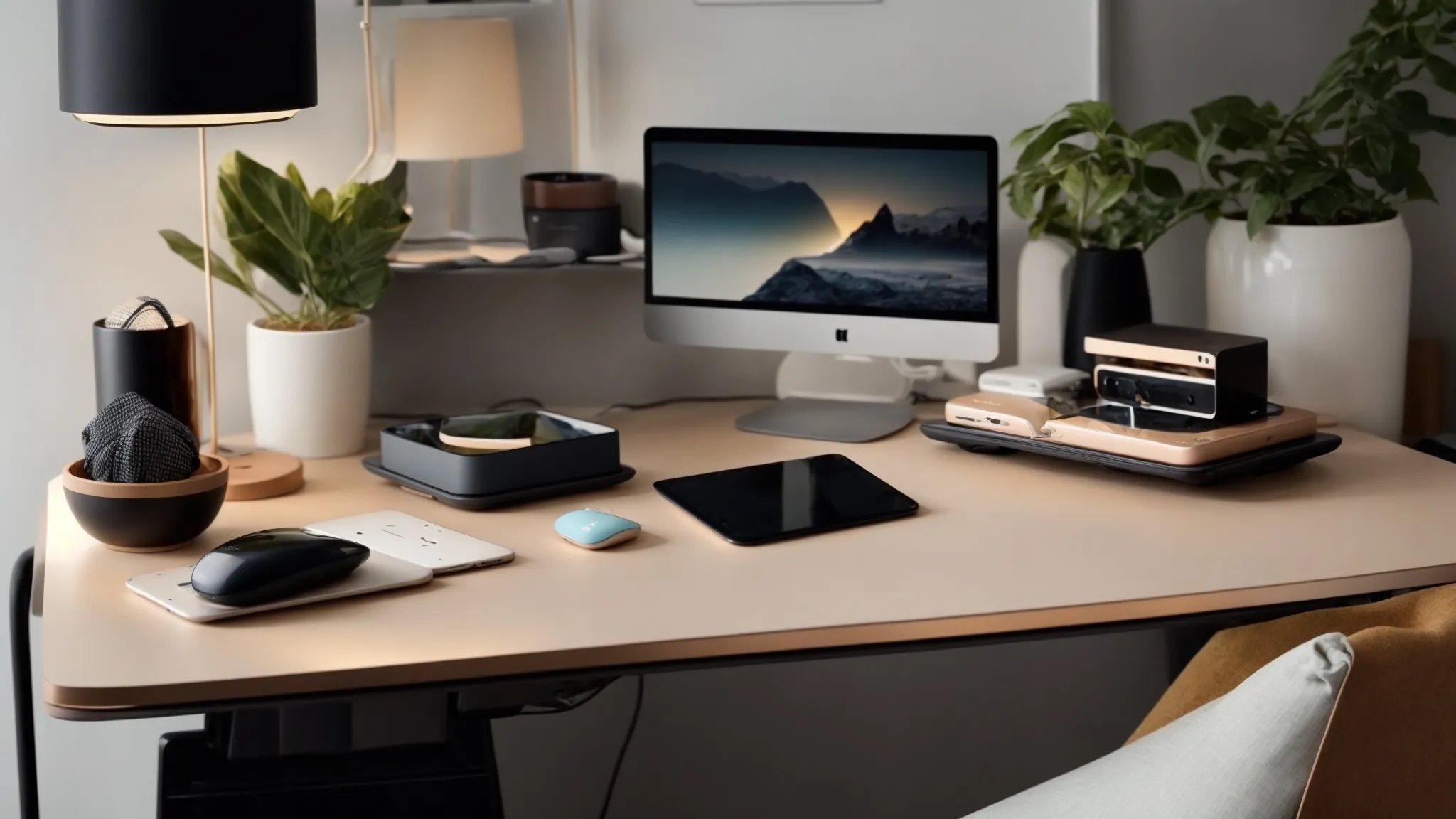
The conundrum of maintaining an orderly and spacious desk in a confined area is one that plagues many professionals today.
However, the market is rife with innovative products designed to streamline the task of organization within these small spaces.
Devices such as wireless charging pads, which eliminate the tangle of cords, and compact lamps that incorporate storage, cleverly combine functionality with clutter reduction.
Adjustable desk shelves provide much-needed additional layers without consuming precious surface area, while space-saving power strip organizers keep electrical outlets tidy and accessible.
Additionally, desk edge clips provide a simple yet effective cable management system, ensuring that cords stay out of the way and workspaces remain clean and navigable.
These solutions collectively represent the merging of smart design with office efficiency, promising to transform even the most cramped desks into models of optimized productivity.
1. Wireless Charging Pads for Devices
Wireless charging pads epitomize the union of modern convenience with spatial efficiency, particularly valuable for professionals who navigate the constraints of small desk spaces. By providing a designated area for powering smartphones and other compatible devices, these pads negate the need for cumbersome cables that often clutter desk surfaces, thus fostering a cleaner, more organized workspace. Ingeniously marrying technology with organization, wireless charging pads ensure devices stay charged and ready without contributing to desktop disarray.
2. Compact Lamps With Built-in Storage
Compact lamps with built-in storage effortlessly illuminate the path to a tidy desk by merging lighting needs with organizational savvy. These cleverly designed lamps provide not just essential illumination but also act as a home for pens, sticky notes, or headphones, maintaining a spotless workspace where every item is in its place. Their sleek profile and dual functionality make them indispensable allies in the quest to keep small desk spaces both well-lit and uncluttered.
3. Adjustable Desk Shelves for Extra Layers
Adjustable desk shelves come to the rescue in the game of optimizing space, offering additional storage tiers without monopolizing the precious real estate of the work surface. Their height can be tailored to fit an array of items, from bulky reference books to smaller office accessories, ensuring a vertical expansion of organization possibilities. These transformative shelves redefine the potential of a cramped desk space, providing a semblance of openness and structure indispensable for maintaining an orderly and productive work environment.
4. Space-Saving Power Strip Organizers
Space-saving power strip organizers are a boon for those working within the confines of a diminutive desk area. Their compact design allows for a tidy consolidation of cables and plugs, enhancing the workspace with both safety and aesthetic appeal. Discerning professionals recognize the value of these organizers in mitigating cable clutter, ensuring the desk remains a bastion of productivity and uncluttered calm.
| Product Feature | Benefit |
|---|---|
| Compact Build | Minimizes space utilized for power solutions |
| Cable Management | Reduces clutter and potential tangling |
| Accessibility | Streamlines connectivity for all devices |
5. Desk Edge Clips for Cable Management
Desk edge clips provide an elegantly straightforward approach to cable management that circumvents the clutter of unruly wires sprawling across work surfaces. By securely fastening cables along the periphery of a desk, these discreet accessories facilitate a clean, streamlined environment conducive to focus and productivity. Their unobtrusive design and simple functionality make these clips an essential aid for professionals in optimizing their small desk spaces.
The Ultimate Guide to DIY Desk Organizing Solutions

Innovative desk organization is a quintessential element for streamlining productivity within minimal square footage, and DIY solutions offer both customization and charm for your personal workspace.
Crafting unique desk organizers from basic materials such as cardboard permits an unmatched adaptability to fit the particular needs and contours of any desk.
By building a shelf out of reclaimed wood, individuals can add a rustic flair while utilizing vertical space.
DIY magnetic boards become a sleek solution for keeping metal items in check, and the repurposing of jars and cans emerges as an economical and environmentally conscious means of storage.
Moreover, constructing a hanging organizer to drape over the side of the desk paves the way for additional storage within an arm’s reach, significantly enhancing desk functionality without imposing on limited space.
1. Create Your Own Desk Organizers From Cardboard
Cardboard, often cast aside as mere packing material, holds untapped potential for crafting bespoke desk organizers tailored to individual preferences and desk dimensions. By repurposing this versatile resource, professionals and hobbyists alike can create custom compartments and cubbies that provide a spot for every office accessory, from paper clips to larger items like filing cabinets.
| Material | Organizer Type | Desk Items | Benefit |
|---|---|---|---|
| Cardboard | Cubby | Markers, Pens | Keeps writing tools organized and reachable |
| Cardboard | Compartment | Paper, Notes | Reduces clutter by separating documents |
| Cardboard | Shelf | Books, Reference Guides | Leverages vertical space for storage |
2. Build a Desk Shelf Using Reclaimed Wood
Reclaimed wood is not just a testament to sustainability; it also injects character and strength into any DIY project. Building a desk shelf from reclaimed wood marries form and function, yielding a durable and aesthetically pleasing addition that capitalizes on vertical space without compromising the work area’s footprint. This approach imbues the workspace with a warm, organic touch while delivering custom storage that’s both practical and personal.
- Select wood with a history for your shelf to introduce a narrative element to your space.
- Measure and cut the reclaimed wood according to your specific desk space requirements.
- Secure the shelf above the desk or in a corner, ensuring it complements the existing décor and enhances functionality.
3. DIY Magnetic Boards for Metal Items
Heightening the functionality of metallic accessories, the creation of a DIY magnetic board affords a centralized locale for adherence of metal utensils. This resourceful solution not only consolidates items like scissors, keys, and binder clips but also injects a touch of modern minimalism into the workspace: its sleek surface acting as a practical art piece on the office wall.
- Choose a size for your magnetic board that aligns with the amount of metal items to be organized and the wall space available.
- Secure a sheet of galvanized metal to a frame, which can be fashioned from wood or purchased readymade, to craft the base of the board.
- Mount the magnetic board within arm’s reach of your desk area to ensure easy access to attached supplies.
4. Upcycle Jars and Cans for Supply Storage
Transforming discards into desk treasures, upcycling jars and cans stands as a testament to sustainable organization methodologies. Glass jars make ideal holders for everything from pens and paintbrushy to plant clippings, lending a touch of transparent charm. Metal cans, when cleaned and perhaps painted or wrapped in twine, offer a durable and stylish solution for corralling scissors, rulers, and small electronics, all while underscoring an eco-friendly ethos in desk design.
| Container Type | Desk Items | Decoration Ideas | Upcycling Benefit |
|---|---|---|---|
| Glass Jars | Pens, Brushes | Leave clear or decorate with ribbons | Visual appeal, eco-friendly |
| Metal Cans | Scissors, Electronics | Paint, wrap with string or fabric | Durability, style |
5. Craft a Hanging Organizer for the Side of Your Desk
Creating a hanging organizer tailored to cling to the side of a desk can offer a novel yet incredibly space-efficient means of managing a variety of office essentials. Through imaginative use of materials such as durable fabric, clear vinyl pockets, and robust fasteners, this custom hanging system can accommodate everything from notebooks to cable chargers. Its placement on the desk’s side ensures that items are neatly arranged and within easy reach, without taking up any valuable surface space.
Conclusion
Desk organization in small spaces is crucial for enhancing productivity by maintaining a clutter-free and functional workspace.
Innovative storage solutions, like vertical shelves and under-desk drawers, optimize available space and ensure essential items are within reach yet out of the way.
Regular decluttering and the judicious use of organizers transform even the tightest work areas into serene zones conducive to focus and creativity.
Embracing these desk organization ideas empowers professionals to make the most of limited real estate while fostering an orderly and efficient work environment.