




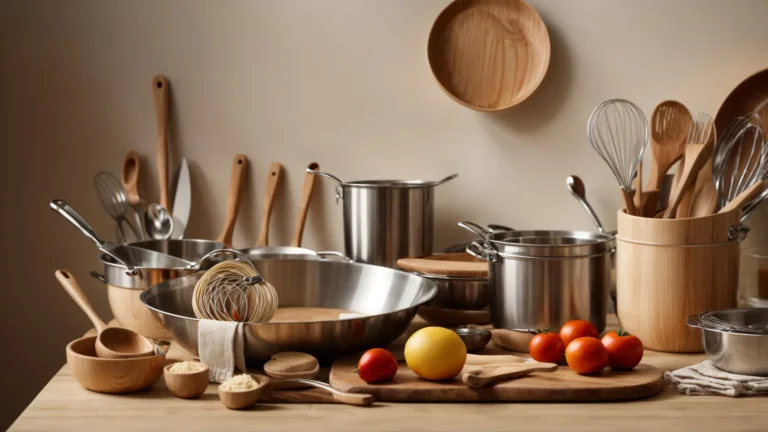
Indispensable Kitchen Gadgets for Recipe Creators
In the bustling kitchens of home cooks passionate about transforming simple ingredients like steak, butter, fruit, and a dash of spice into culinary masterpieces, having the right tools can make all the difference. Whether searing the perfect steak, creaming butter for a delectable dessert, dicing fruit for a refreshing salad, or measuring spices to create the perfect flavor profile, each task demands precision and efficiency. Savvy chefs know that investing in indispensable kitchen gadgets not only elevates cooking but also respects the budget by ensuring delicious results every time. For those ready to command their kitchen with confidence, the following list of gadgets will quickly become non-negotiable assets in the pursuit of gastronomic perfection. Keep reading to discover how these tools can augment your culinary adventures.
Key Takeaways
- Narrow Measuring Spoons Boost Accuracy and Enhance Cooking Processes
- Kitchen Scales Offer Recipe Consistency Through Precise Ingredient Measurements
- Prep Bowls Simplify Meal Preparation and Improve Kitchen Organization
- Maintenance of Kitchen Tools Is Crucial for Longevity and Performance
- Accurate Measurement Tools Are Essential for Culinary Precision and Customer Satisfaction
Master Precise Measurements With Narrow Measuring Spoons

The true craft of recipe creation hinges on the accuracy of measurements—a fact that any seasoned chef can vouch for. Amidst a plethora of kitchen gadgets, from the robust food processor to the multipurpose blender, narrow measuring spoons emerge as quiet yet impactful contenders for precision. These slender utensils slide seamlessly into spice jars, ensuring not a grain of ingredient is compromised—a stark contrast to the cumbersome scoop of a ladle or the broad stroke of a basting brush. In selecting the right set of narrow measuring spoons, culinary enthusiasts confront an array of options tailored to their cooking and baking needs. Knowing the advantages they bring in ingredient accuracy enriches the cooking process, elevating the most intricate of recipes. Beyond their functional use, discovering effective storage solutions is paramount; a well-organized drawer, where these spoons are kept in reach, can streamline the dance of preparing dishes, keeping the focus on the art of flavor rather than the search for tools.
Select the Right Set for Your Culinary Needs
Aspiring culinary artisans scour the market for tools that marry functionality with ease of maintenance, often weighing the cost of convenience against long-term utility. The savvy shopper looks for a set of narrow measuring spoons that can endure the vigorous cycles of a dishwasher without losing their precision—a must for those who juggle the intricacies of muffin batters and the delicate dressings of a gourmet salad. Just as a salad spinner effortlessly dries lettuce with a few spins, the correct set of measuring spoons should provide unerring accuracy with a quick rinse, effortlessly integrating into the flow of kitchen operations.
Understand the Benefits for Ingredient Accuracy
In the bustling energy of a kitchen, where KitchenAid mixers hum alongside stovetop symphonies, narrow measuring spoons stand as unsung heroes in the food industry’s quest for consistency. These precise tools are critical when chefs undertake the delicate task of crafting dough that requires an exact protein content or when a pinch more of an ingredient could compromise the intricate balance of flavors. The spoons’ precision bolsters the cook’s confidence, ensuring that every recipe is replicated to perfection, whether it be in a home kitchen or a high-pressure restaurant environment.
Discover Storage Solutions to Keep Them Handy
Meticulous chefs regard space as a precious commodity in the kitchen, and the integration of narrow measuring spoons should enhance, not clutter, the culinary environment. Magnetic strips enable the metallic elegance of these spoisons to be displayed alongside other essentials like a grater or black pepper bottle, ensuring they remain accessible without encroaching on valuable counter space. Such practical solutions provide a home for these utensils, serving the dual purpose of organization and the rapid retrieval of tools mid-recipe.
Elevate Your Cooking With a Lodge Cast Iron Skillet
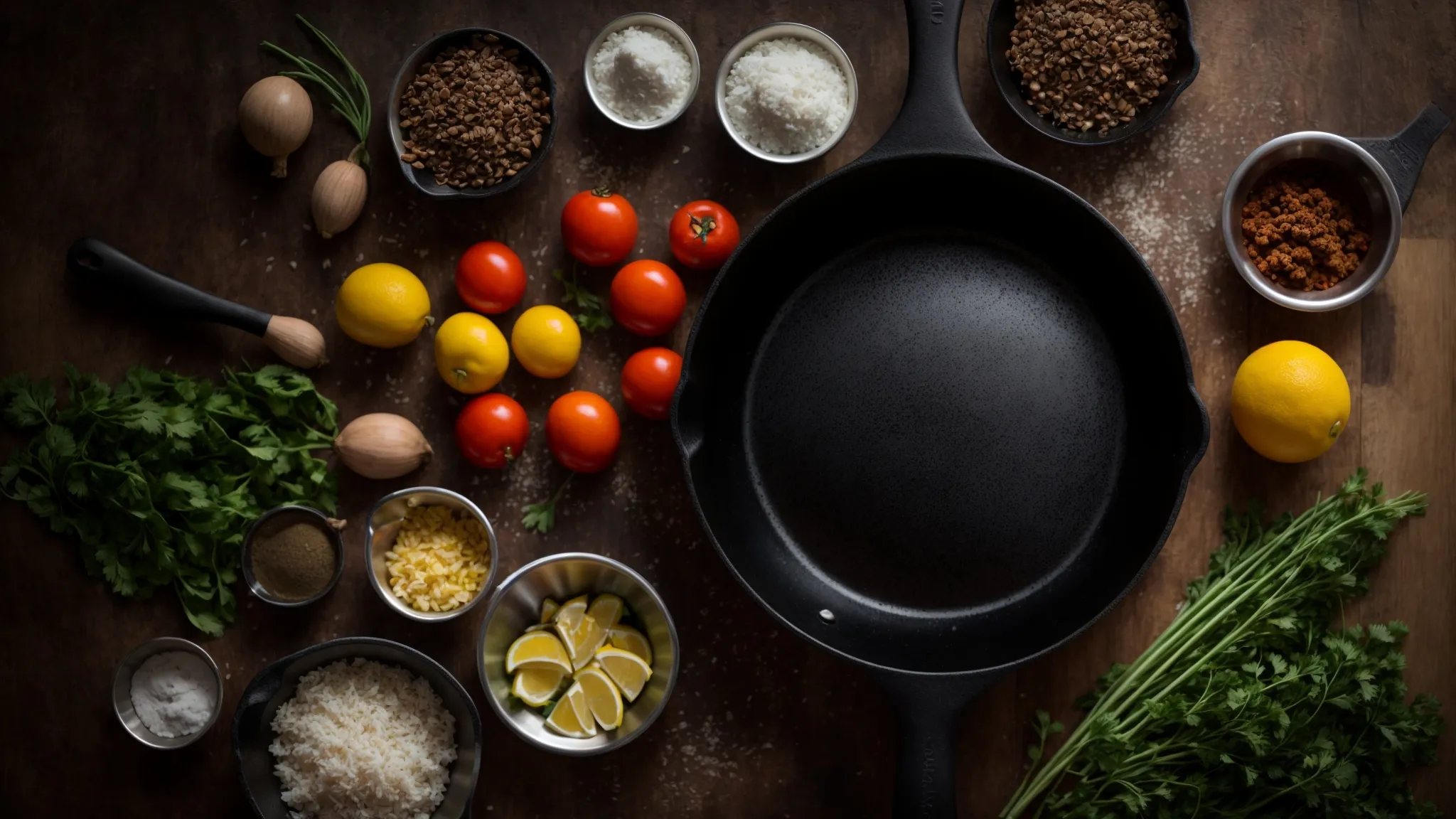
In the heart of the kitchen, where technology meets tradition, the Lodge cast iron skillet reigns supreme as an essential tool for any recipe creator. Far removed from the fleeting trends of smoothie makers and instant pots, this classic skillet holds its own beside the steady hum of the refrigerator and the daily bustle that graces the countertop. Seasoning this robust pan generates a flawless non-stick surface, catering to a myriad of cooking styles—from the delicate flip of a pancake to the searing of a prime steak. The skillet’s unparalleled ability to maintain consistent heat presents an opportunity for culinary enthusiasts to master the art of temperature control, vital for dishes that demand precision. Furthermore, adhering to simple yet effective cleaning and maintenance routines not only prolongs the life of this staple piece but also ensures its legacy in the kitchen continues from one generation to the next.
Seasoning Your Skillet for the Perfect Non-Stick Surface
Preparation of the skillet with a proper seasoning process is the secret to a perfect non-stick surface that enhances the maker’s experience, enabling the effortless release of everything from a golden-brown waffle to a hearty stew. A blend of oil and flour, measured carefully—a mere tablespoon—creates a polymerized coating when heated, creating a natural non-stick layer. This crucial step, when performed correctly, imbues the skillet with properties that make cooking and cleanup an absolute joy, transcending the skillet from a mere tool to a cherished kitchen ally.
The act of seasoning must be executed with a precise approach to ensure each meal, whether it be a waffle breakfast or a flour-thickened stew, retains its intended flavor without interference from previous meals. The seasoned skillet becomes an extension of the recipe creator’s hands, responding to every nuanced movement with reliability and grace:
- Heating the skillet to open up the iron pores for oil absorption.
- Applying a thin, even layer of oil and flour mixture to the cooking surface.
- Baking the skillet at an elevated temperature to bake the non-stick coating onto the pan.
Mastering Temperature Control for Even Cooking
The proficient control of temperature afforded by the Lodge cast iron skillet is fundamental to the outcome of various culinary ventures, ranging from the delicate absorption of flavors in a simmering rice pilaf to the robust sizzle of a steak sealing in juices over high heat. Cooking beans to the right tenderness without ever reaching an unwelcome, rolling boil hinges on the skillet’s aptitude to distribute heat evenly. This controlled environment reacts predictably to adjustments made by the cook, negating the risk of scorching delicate dishes like skin-on poultry or disturbing the subtle brewing of coffee, which requires precise heat to coax out its full flavor profile.
- Even heat distribution prevents rice from sticking or burning.
- Gentle simmering cooks beans perfectly without the roughness of boiling.
- Moderate heat allows for skin-on poultry to crisp without burning.
- Optimal temperature control ensures coffee brews to its flavorful zenith.
Caring for the cast iron skillet after use involves a maintenance routine that sidesteps the harshness of soap, allowing the pan’s seasoning to remain intact and continue to improve with each use. This approach not only respects the skillet’s material integrity but also keeps the cook from having to re-season the pan too frequently, making post-meal cleanup as refined as the temperature control is during the cooking process.
Cleaning and Maintenance Tips to Prolong Its Life
To ensure the culinary masterpiece and the integrity of the cookware itself, cleaning and maintaining a Lodge cast iron skillet after each use is a keystone of kitchen wisdom. After preparing dishes that celebrate diverse cuisines, the chef must avoid the common error of submerging the skillet in water like a kettle left to soak. Instead, the use of a silicone brush from a brand like Oxo ensures that food remnants are gently removed without the need for wrenching scrubbers or corrosive soaps that can strip the skillet’s seasoned surface. As with any timeless innovation, the adage ‘less is more’ holds true—even a simple wipe with a paper towel after a light toast of the skillet over a burner can maintain its seasoned perfection. This should never be overlooked, for the conscientious upkeep of the skillet is a testament to the recipe creator’s dedication to their craft.
- Use a silicone brush for gentle removal of food particles.
- Wipe the skillet clean with a paper towel after heating it slightly.
- Apply a light coat of oil to the skillet’s surface to preserve the seasoning.
Timing Is Everything: OXO Good Grips Triple Kitchen Timer
In the orchestrated performance of culinary arts, where each ingredient plays a pivotal role in the harmony of flavors, the OXO Good Grips Triple Kitchen Timer stands as an essential maestro of time management. Not unlike the diligent focus required when mopping up the aftermath of a flamboyant dinner service, managing the concurrent timing for candy stages, sauce reductions, and the precise blanching of celery demands meticulous coordination. A timer that accommodates multiple dishes simultaneously transforms complex recipes from a daunting challenge into a symphony of punctuality. With features designed to streamline the cooking process, chefs find an ally in the fight against overcooked ingredients and rushed platings. Assertive beeps cut through the kitchen bustle, signaling that it’s time to stir, to taste, to serve. Embracing these tools not only shapes the outcome of today’s meal but also ensures the longevity of the device with diligent care. The kitchen timer, often undervalued, is as critical as the sharpness of a chef’s knife in the pursuit of culinary precision.
How to Utilise Multiple Timers for Complex Recipes
Within the pages of every cookbook, recipes stand as elaborate symphonies, each ingredient demanding its own tempo—and here, the OXO Good Grips Triple Kitchen Timer proves its worth. As it adeptly monitors the simmering of milk, the boiling of water, and the exact moments for taste adjustments, this versatile timer becomes an extension of the chef’s focus. The recipient of an imminent dinner invitation, just like an email’s notification, will confidently know the preparation behind their meal is measured to the second, ensuring an experience that gratifies the palate.
- Set one timer for the precise simmering of milk, avoiding scalding and ensuring a smooth consistency.
- Allocate another for the water boil, vital for pasta or vegetables to reach their ideal texture.
- Use the third to time taste tests, allowing for adjustments in seasoning and ensuring the flavors meld perfectly.
Setting Up for Success: Features That Make a Difference
For the culinary aficionado perfecting dishes like poached fish, simmered beans, or a decadent banana flambé, the OXO Good Grips Triple Kitchen Timer’s features are a linchpin of kitchen efficiency. With distinct alarms for each timer, chefs can tend to a delicate fish that needs just the right touch, beans that must hold their shape, and desserts that call for an exact caramelization, all without the risk of overcooking. This indispensable tool is especially valued by chefs who draw inspiration from the meticulous cooking styles of France, where timing and precision are the backbone of their renowned culinary techniques.
Tips for Keeping Your Timing Device in Top Shape
Safeguarding the integrity of kitchen gadgets, such as the OXO Good Grips Triple Kitchen Timer, demands attention to detail and preventive care. Ensuring the timer never gets lost in the shuffle of a busy kitchen workspace, it could find a secure spot next to the rice cooker or on a lazy susan, where its volume cannot be muffled by the clatter of pots and tools. Protecting the device from kitchen spills with a simple cover of plastic wrap can extend its life significantly, much like the way one would carefully peel away the outer layers of an onion to preserve its freshness.
- Assign the timer a specific location near the rice cooker or on a lazy susan for visibility and accessibility.
- Protect the timer from accidental spills with a layer of plastic wrap, ensuring the mechanisms stay clean and functional.
- Regular checks for battery life and cleanliness will maintain the timer’s volume and reliability during crucial cooking moments.
Weighing Your Options: Why a Kitchen Scale Is Essential
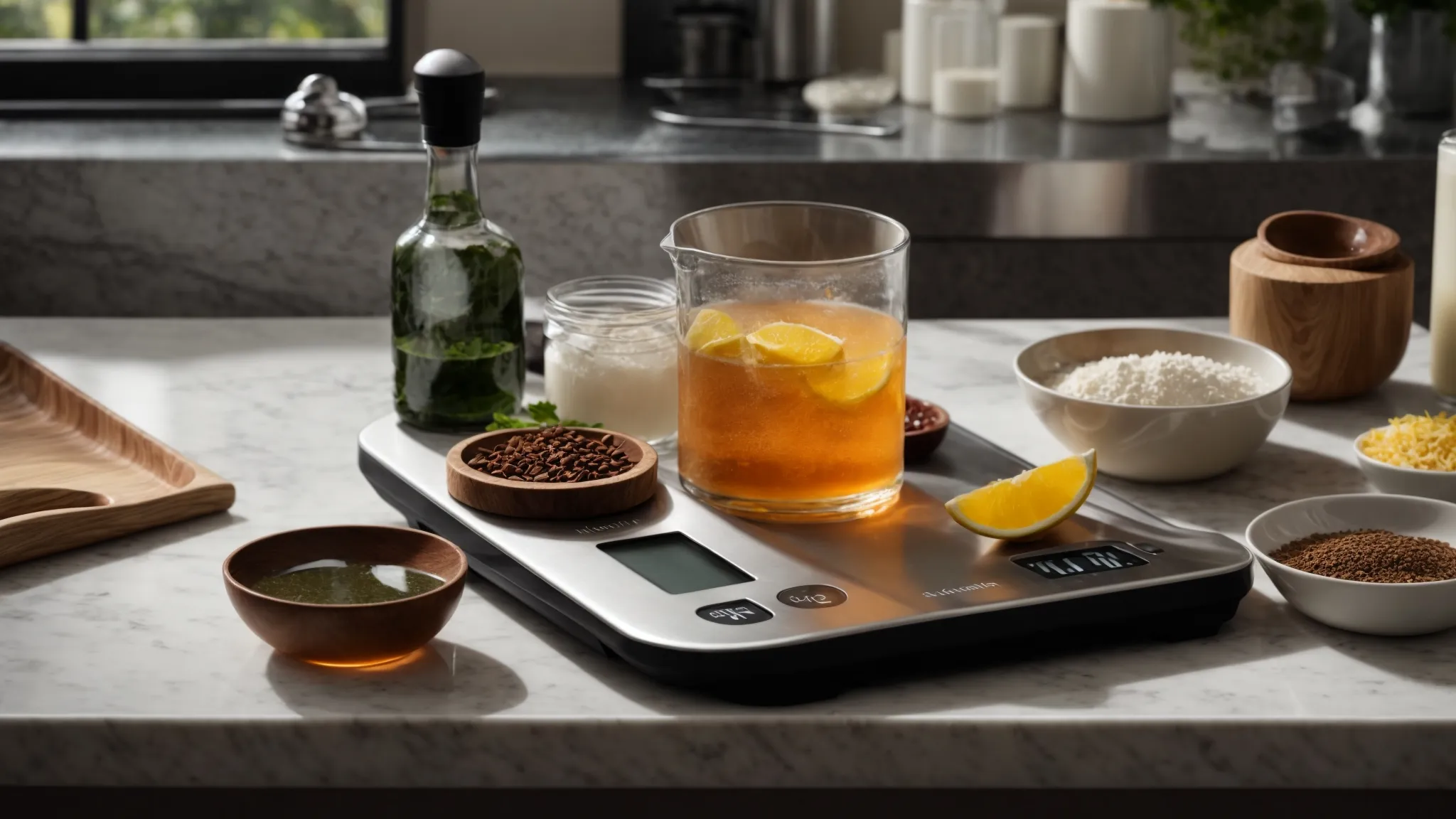
Adhering to precise measurements is not merely a suggestion for consistent recipe outcomes; it is a cornerstone of culinary content creation. The kitchen scale stands as an unrivaled champion in this domain, revealing the shortcomings of volume-based measurements when accuracy is non-negotiable—take for instance, the variability in the weight of flour when scooped versus its calculated mass. Recipe creators striving for uniformity constantly face the challenge of accounting for such distinctions, particularly when ingredients like raw meat require exactitude to ensure both safety and desired texture. Informed research leads to selecting a kitchen scale that meets the needs of frequent use, with certain models complementing the fast pace of a working kitchen, allowing chefs to measure, wipe clean, and whisk away to the next task without delay. Understand, also, the necessity of routine calibration; a scale, durable as it may be, functions optimally only with proper care—a practice that extends its lifespan and supports the integrity of every culinary venture.
The Key to Consistency: Measuring by Weight vs Volume
In the precision-driven world of baking, a kitchen scale is the gatekeeper of consistency, ensuring that every measurement—from the delicate heft of vegetable shreds for lunch quiches to the robust pile of flour necessary for a rustic loaf—sits true to the recipe’s intention. Unlike the variance that stalks spoon-measured ingredients from the grocery store to the mixing bowl, a scale breaks down the science of cooking into exact figures, affording the recipe creator the reproducibility demanded by the craft.
| Ingredient | Volume Measurement | Weight Measurement |
|---|---|---|
| Flour | 1 cup | 120g |
| Sugar | 1 cup | 200g |
| Shredded Carrot | 1 cup | 110g |
Choosing the Right Scale for Your Kitchen
Choosing the right scale for a kitchen where creativity abounds is akin to selecting the perfect spot on a cutting board for slicing an apple—precision is necessary. Harmonious with the orchestrated interplay of food preparation, the ideal scale must compliment the rhythm of meal creation, from a spritz of lemon to a hearty casserole that emerges from the microwave oven. A kitchen scale should provide consistent and reliable measurement, becoming as indispensable as any other cookware, and offering the peace of mind that all your gastronomic ventures will hit the mark, every time.
| Functionality | Importance |
|---|---|
| Accuracy | Ensures precise measurement of ingredients |
| Convenience | Complements kitchen workflow alongside other appliances |
| Durability | Withstands the demands of frequent use |
Calibration and Care for Longevity
The integrity of a kitchen scale is pivotal for achieving the nutritional accuracy that epitomizes a masterfully crafted sandwich, where each layer’s weight contributes to the perfect balance of flavor and texture. Catering to this precision, leading brands like Le Creuset not only imbue their scales with robust design but also provide guidance on regular calibration, ensuring that these precision tools function at peak performance for years, thereby upholding the creator’s standard for consistency and quality.
Organise Your Prep Work With Versatile Prep Bowls
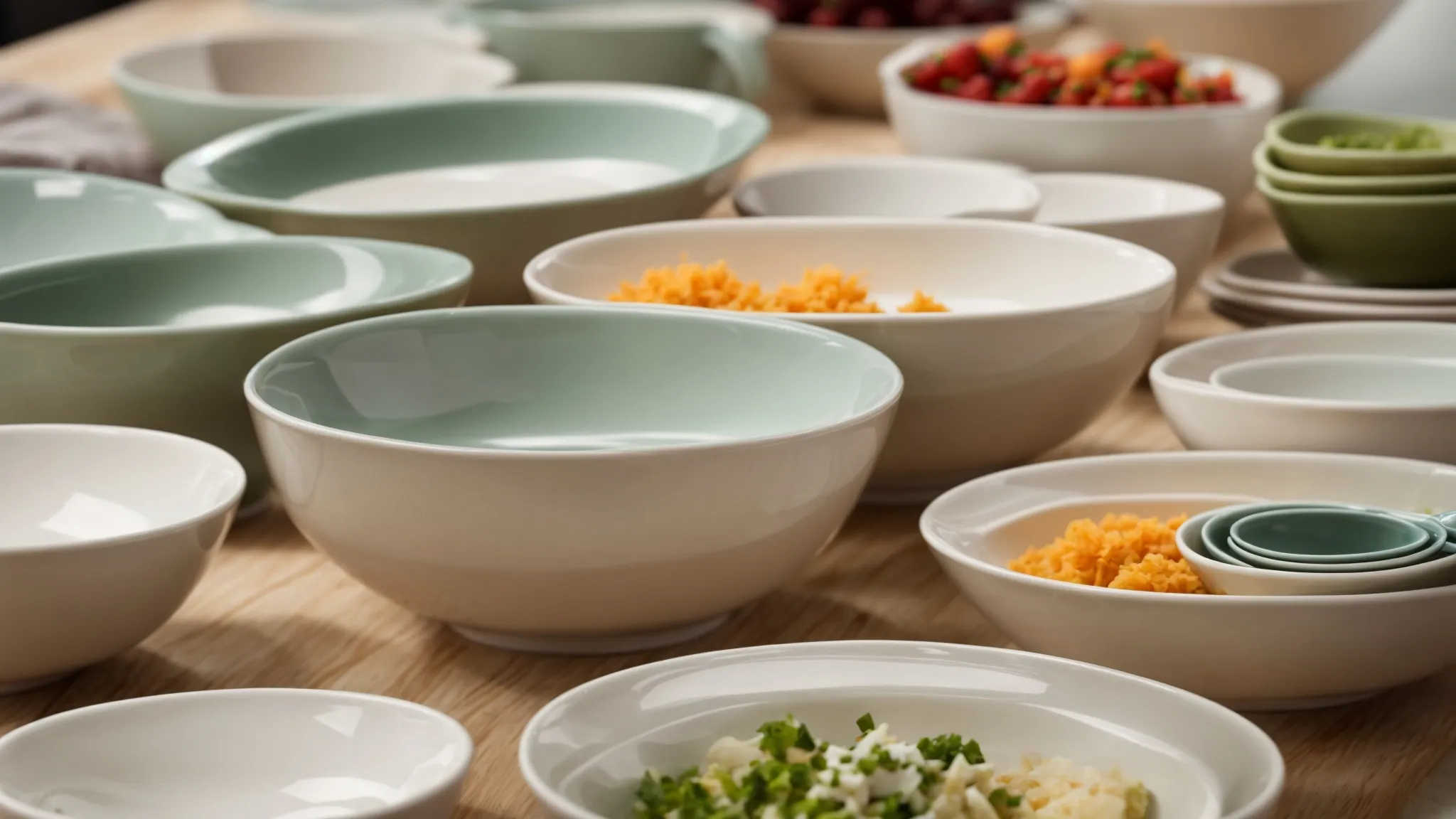
Organizational tools in a kitchen serve as the backbone to the complex dance that is recipe creation, and perhaps none are more essential than versatile prep bowls. These unheralded heroes of the kitchen are the vessels that hold each measured teaspoon of spice, each meticulously chopped vegetable for a vibrant cake topping, and every last whisk of batter bound for the sieve. Crafted from a symphony of materials and available in an array of sizes, the selection of the right prep bowls can transform a cluttered countertop into a realm of culinary efficiency. Here, the weighing scale coexists with tongs in choreographed precision, while the mise en place – the precise arrangement and preparation of ingredients – finds its tangible form. Cooks armed with well-chosen prep bowls maneuver deftly, establishing the foundation for successful kitchen operations and ensuring each component is in its place, ready to contribute to the gastronomic masterpiece at hand.
Selecting the Right Sizes and Materials for Your Needs
Discerning recipe creators know that selecting the ideal sizes and materials for prep bowls is as crucial for curating kitchen supplies as having the right microplane for zesting or a sturdy pan for searing meat. With the diverse tasks at hand, from marinating to mise en place, vows of wisdom and knowledge underscore the importance of having a mix of sizes, from diminutive for herbs to capacious for mixes destined for the stove. Aligning with the needs of content creators engaged in affiliate marketing, these choices are not only practical for food preparation but also serve as visually appealing elements that can enhance the presentation of instructional content.
- Investigate a range of prep bowl sizes, ensuring there’s a perfect choice for any ingredient quantity.
- Explore materials from glass to stainless steel that cater to different prep needs and aesthetic tastes.
- Keep in mind the durability and ease of cleaning, especially for bowls that will contain sticky or strongly colored substances.
Tips for Efficient Prep and Space Management
Maintaining an orderly kitchen workspace not only streamlines the process of bringing a dish together but also promotes food safety—a key consideration when transitioning between tasks such as frying, pressure cooking, or simmering. By setting aside specific prep bowls for ingredients related to high-heat applications, recipe creators can avoid cross-contamination, and, with a trusty wooden spoon on hand, they can stir and taste without breaking their workflow, preserving the integrity of every meal.
The Role of Prep Bowls in Mise en Place
The art of mise en place—a term borrowed from the French that signifies the preparation and organization of ingredients before cooking—is greatly enhanced by the thoughtful use of prep bowls. As crucial as the citrus press is to effortlessly extract juice for dressings or the coffeemaker is to brew the perfect cup, so too are these bowls for segregating meticulously measured components. Their role in preparation is not just functional but an expression of the culinary process itself; these vessels hold the harmonized elements that will soon be transformed, akin to the way a painter arranges their palette or a craftsman organizes their tools—everything is in view and within reach, mirroring the clarity and structure a chef requires, much like the organized layers of information in a well-designed pdf or the neat margins on a freshly printed paper.
Streamline Clean-Up With OXO Soap Dispenser

In the pursuit of culinary excellence, recipe creators recognize that maintaining a pristine kitchen is as critical as the seasoning in their batter. The OXO Soap Dispenser offers an elegant solution, contributing to a clean workspace by providing ease in hygiene with its simple refilling mechanism. Crafted from durable plastic, this dispenser handles the fluctuating temperature of a busy kitchen with aplomb, nestling comfortably next to the cooktop or other kitchen utensils. Strategically placing this dispenser not only enhances functional workflow but also complements the aesthetic of the cooking arena. As part of the recipe creator’s toolkit, this kitchen accessory ensures that cleanliness is conveniently at hand, allowing for an uninterrupted focus on the art of cooking.
Easy Refilling and Use for a Clean Workspace
The OXO Soap Dispenser, a stalwart among kitchen accessories, effortlessly maintains cleanliness, even amid the vigorous preparations of a dutch oven feast or the delicate assembly of a dessert. Its uncomplicated design ensures that a quick pump dispenses just the right amount of soap to cleanse tools used for zesting limes or whipping up a tangy vinaigrette, subsequently bolstering the efficiency of recipe creators who rely on a seamless workspace to generate revenue through their culinary ventures.
Placing Your Dispenser for Maximum Efficiency
For the recipe creator, placing the OXO Soap Dispenser in a strategic location within the kitchen is vital for peak efficiency. Nestled next to the cutting board, it makes for swift cleaning between handling raw ground meat and slicing fresh vegetables, or after pouring a glass of wine to accompany the cooking process. This tactical positioning not only enhances the effectiveness of the workflow but also ensures a stainless steel workspace remains immaculate, allowing the cook to seamlessly transition to preparing the next snack or entree.
- Position the soap dispenser adjacent to high-use areas for easy access during meal prep.
- Ensure proximity to areas where cross-contamination is possible, such as where ground meat is processed.
- Place near the sink to encourage regular hand washing, especially crucial after handling items like wine bottles and snack containers.
Matching Your Kitchen Aesthetic
The OXO Soap Dispenser, with its sleek contours and efficient dispensing mechanism, seamlessly integrates into the modern kitchen aesthetic. A harmonious blend of form and function, it stands ready by the sink, a silent but critical assistant to the recipe creator. Wielding their zester in hand, one can grate citrus zest for a meal, and confidently turn to the OXO dispenser to wash up with ease, without disrupting the kitchen’s cultivated aesthetic—a subtle nod to the meticulous organization and design savviness that emerged from the industrial revolution and continues to impress today’s customer.}
- Integrates smoothly into diverse kitchen designs, complementing both traditional and contemporary decors.
- Efficient dispensing supports swift and thorough clean-up between recipe steps.
- Reinforces a clean, organized kitchen environment that appeals to customers and home chefs alike.
Professional Results With Restaurant-Grade Baking Sheet and Wire Rack
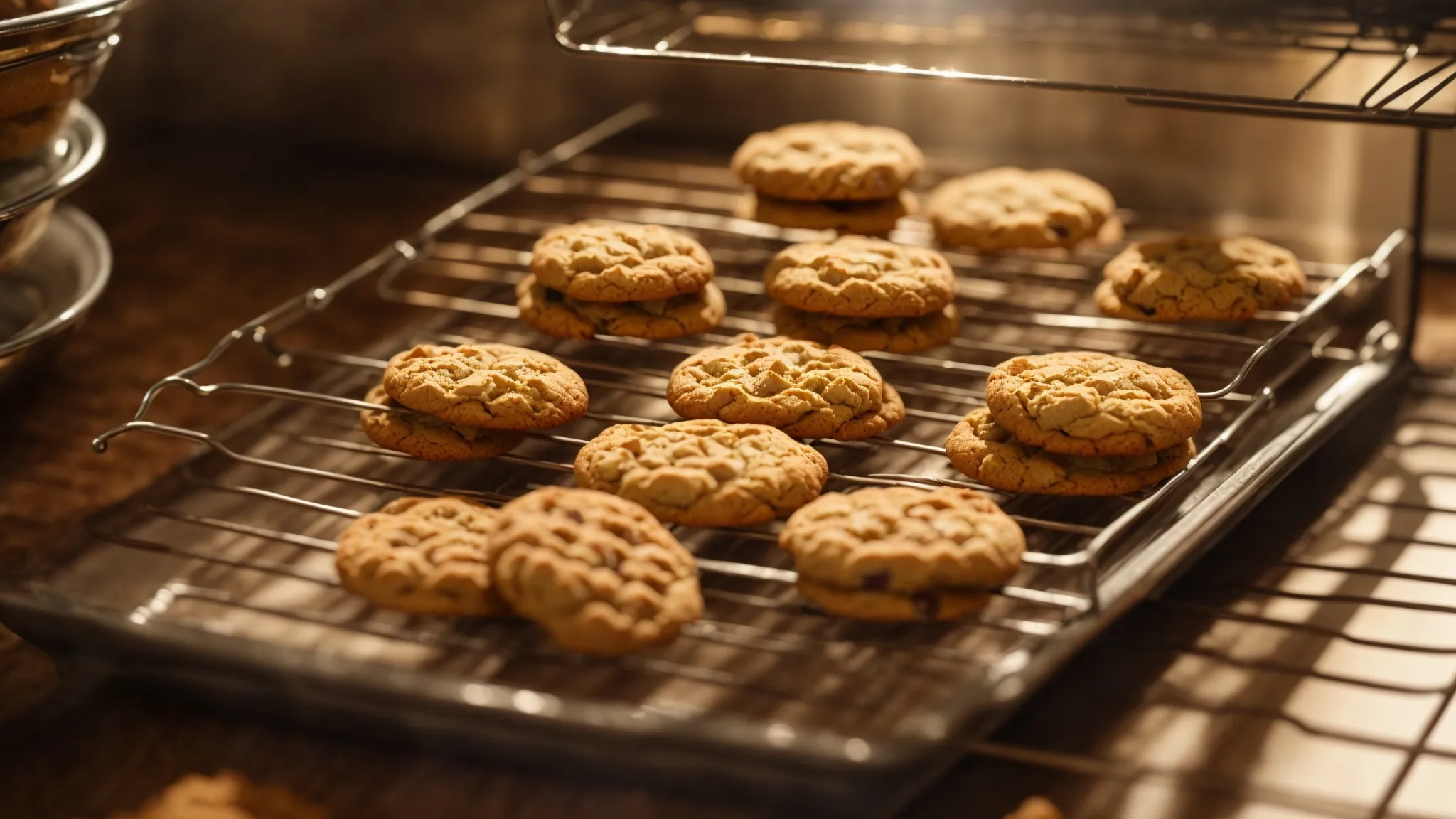
In the quest for culinary excellence, the discerning chef understands that the choice of product is paramount to achieving uniform oven-baked delights. A restaurant-grade baking sheet paired with a wire rack unlocks a realm where ice cream scoops don’t just form perfect orbs but also where roasted dishes reveal their complete aroma and texture potential. At the core of a professional kitchen’s arsenal, these vital utensils stand for more than mere platforms for pastries; they are the benchmark for consistency in heat distribution and longevity. Treating them with care by avoiding high-oil residues, thus preventing warping, ensures they remain steadfast companions in culinary adventures. Beyond their traditional roles, these kitchen stalwarts invite innovation, serving as de facto tools for a smorgasbord of creative applications, transcending the conventional boundaries of cookies and vegetables.
Why Quality Matters for Even Baking and Roasting
In the exacting discipline of culinary arts, the quality of utensils like baking sheets and wire racks is as critical as a sculptor’s chisel to wood or a chef’s knife to an onion. The right gauge of metal and the construction of the rack ensure heat is distributed uniformly, giving shape to pastries and roasts that cook evenly and maintain consistent textures. A heavy-duty baking sheet that resists warping and a wire rack that supports efficient drainage of excess fat are non-negotiable assets for those who prize precision in their oven endeavors.
| Utensil | Characteristics | Benefits |
|---|---|---|
| Restaurant-Grade Baking Sheet | Heavy-gauge metal, warp-resistant | Even heat distribution, long-lasting |
| Wire Rack | Tight grid pattern, sturdy construction | Efficient air circulation, perfect for cooling and draining |
Caring for Your Baking Sheet to Avoid Warping
Maintaining a restaurant-grade baking sheet demands attentive care akin to the precise handling of spices like nutmeg in creating complex flavors or the meticulous calibration of a Vitamix for the perfect puree. Just as a barista oversees the rigorous timing of a drip coffee machine to ensure peak flavor extraction, chefs must ensure their baking sheets avoid exposure to extreme temperature fluctuations, which can lead to warping—treating them with the same diligence used in baking bread where every element affects the final product. Likewise, the same patience applied when using a corkscrew to ceremoniously open a fine wine must be mirrored in the cooling of baking sheets, allowing them to gradually come to room temperature after being removed from the oven.
Creative Uses Beyond Cookies and Vegetables
A restaurant-grade baking sheet and wire rack ensemble transcends the typical usage, adventuring into the realm of indoor grilling where one might sear a perfect steak, leveraging the rack’s design to emulate the grilled effect. Innovators in the kitchen can also use the baking sheet as a cold surface for tempering chocolate or cooling cookie dough swiftly after it has been shaped with a scoop. The unyielding structure of the rack coupled with a garlic press can aid in the meticulous preparation of garlic-infused oil, while the combined setup contributes to an efficient mise en place – the core organizational method that streamlines the execution of any complex recipe.
Protect Your Hands With KitchenAid Oven Mitt Set
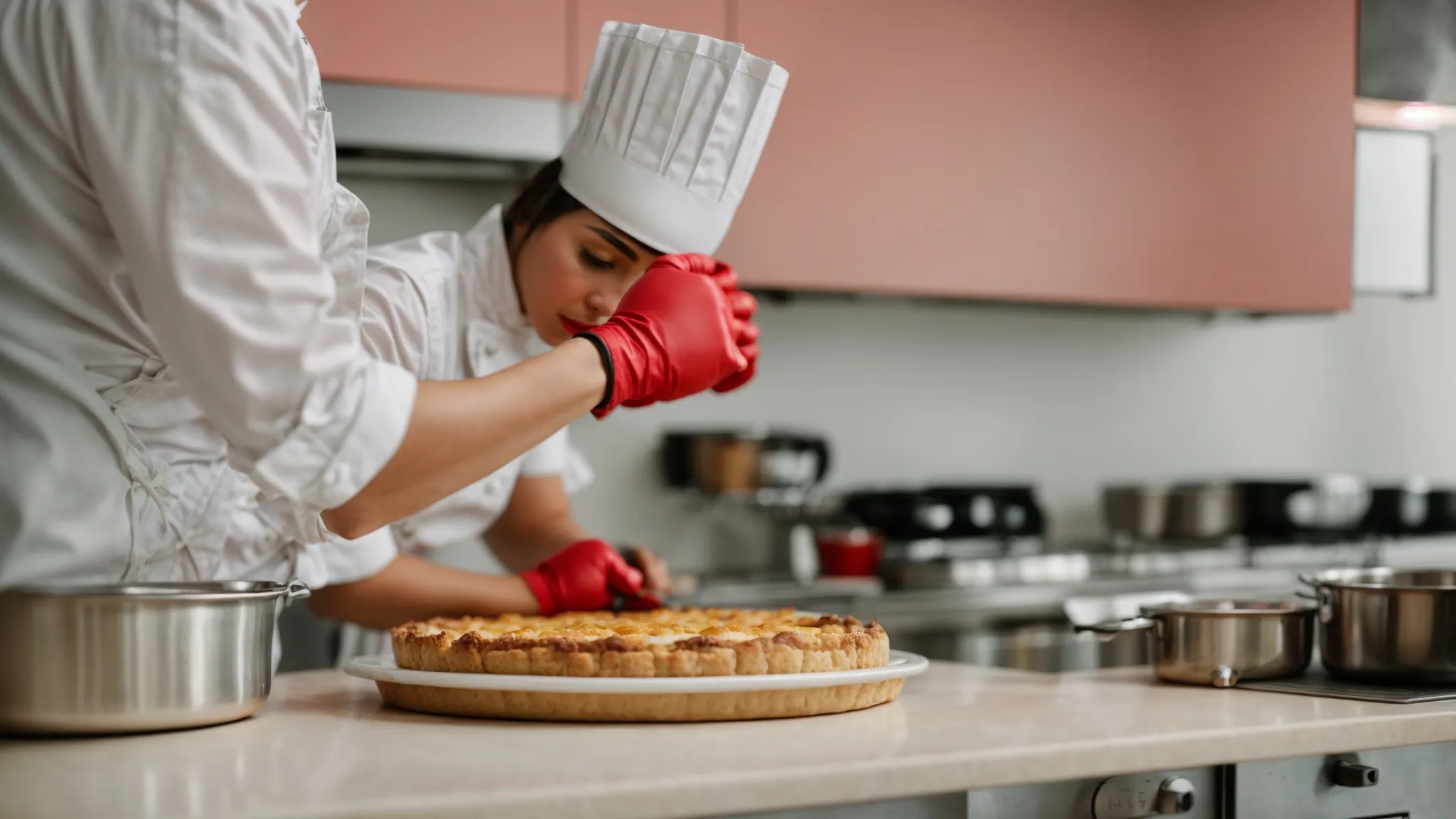
Amidst the scent of melting chocolate and the sound of knives sharpening, the bustling kitchen environment demands unwavering attention to sanitation and safety. Protecting hands from the hazards of high heat and preventing the cross-contamination that can occur when transitioning from oven to salad preparation, the KitchenAid Oven Mitt Set emerges as a crucial ally. The following sections will illuminate the materials and designs that offer the best in hand protection, delineate vital care and storage tips to extend the life of these protective garments, and compare oven mitts with pot holders, assisting recipe creators in making an informed decision for their culinary practices.
Materials and Designs That Provide the Best Protection
In the bustling arena where a pie’s crust must achieve golden perfection and a tomato bisque reaches its silken zenith, the KitchenAid Oven Mitt Set stands as the bastion of protection. Crafted with materials that resist the searing heat of pots and the accidental spatter of tea, these mitts come in an ensemble of colors, offering durability without sacrificing style. Their thoughtful design ensures that a recipe creator’s hands are safeguarded, even when an immersion blender needs to be grasped in the midst of its vigorous whirl.
Care and Storage Tips to Prolong Their Life
To assure longevity and maintain the integrity of KitchenAid Oven Mitt Sets in line with the diligent care one would apply to preserving bakery-fresh leftovers or keeping brown sugar clump-free, creators should store mitts in a dry, cool space away from the stove’s heat. This practice aligns seamlessly with the rigorous standards upheld in professional-settings, akin to the precision demanded by knife sharpening or adherence to generally accepted accounting principles—meticulous and unwavering.
Oven Mitts vs. Pot Holders: Making the Choice
In the heatmap of kitchen activities where a springform pan promises an impeccable cheesecake release and a single egg could be the pivot between delight and disaster, the choice between oven mitts and pot holders isn’t merely one of preference but a calculated investment in safety and efficiency. While mitts offer comprehensive coverage, crucial to prevent foodborne illness from unexpected spills, pot holders provide a firmer grip, minimizing waste when transferring delicacies to cooling racks. Both serve distinct functions and, in the seasoned hands of recipe creators, become instrumental in executing the dance of culinary finesse and protection.
Measure Liquids With Precision: OXO Mini Angled Measuring Cup
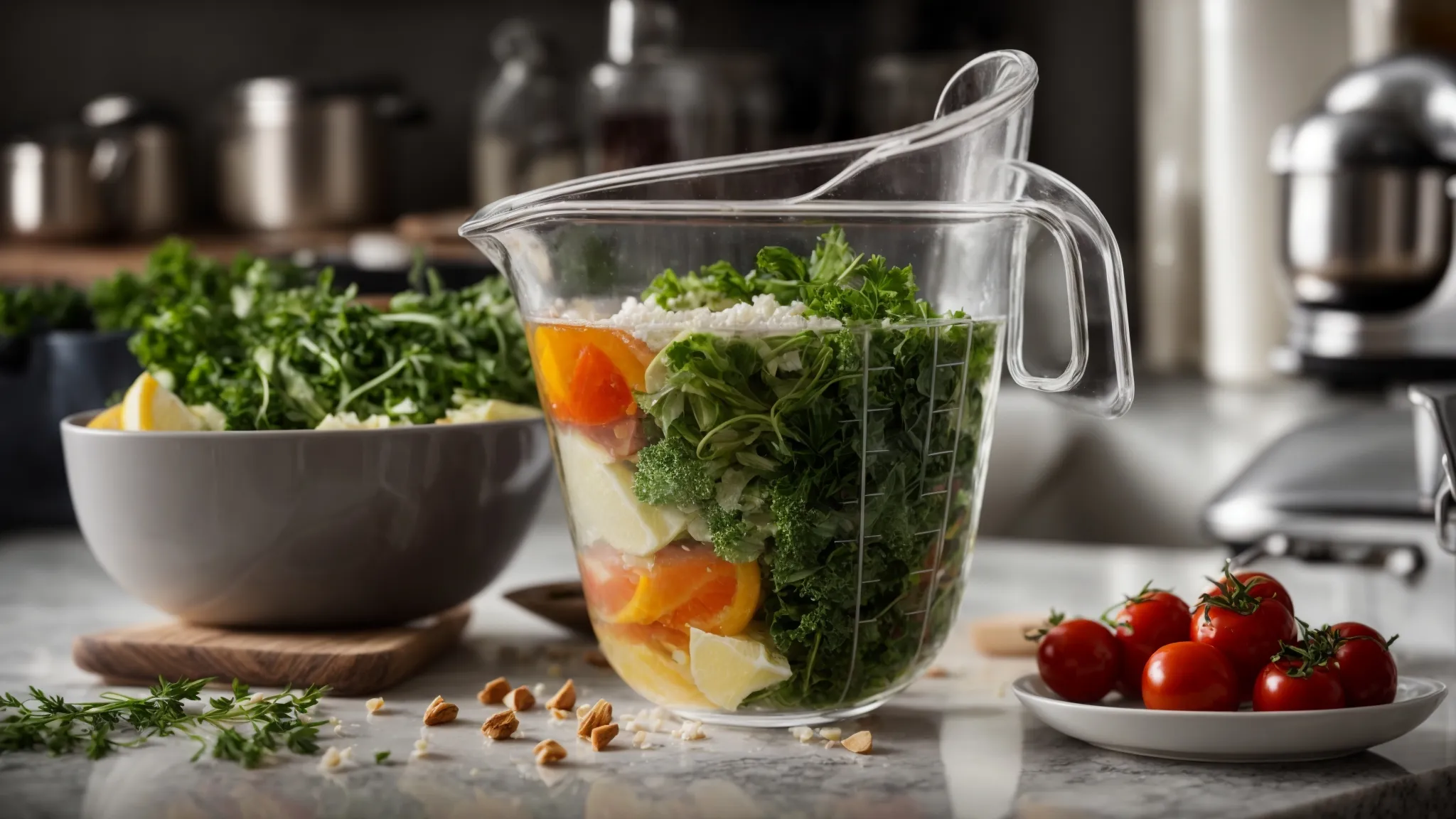
The quest for precision in liquid measurement is a crucial element in the creation of culinary delights, from a dense, aromatic loaf to a velvety soup savored by diners seeking comfort. Indeed, the OXO Mini Angled Measuring Cup stands as a testament to innovation in kitchen tableware, its angled design enabling chefs to gauge measurements from above, without the need to lift the cup or stoop over. Acknowledging the subtle variances in volume that could skew the flavor profile of a dish, this measuring cup ensures that each dash of broth or drizzle of melted butter enhances rather than detracts, thereby cementing customer satisfaction. Seamlessly transitioning into discussions on liquid measuring best practices, this cup couples functionality with space-saving prowess, its compact form a boon for kitchen drawers already laden with whisks and carrot peelers. As recipe creators appreciate the simplicity and convenience of this tool, it becomes clear that such a gadget is not merely an accessory but a fundamental component of kitchen efficiency.
Why the Angled Design Makes a Difference
The angled design of the OXO Mini Angled Measuring Cup introduces an innovative approach to precision that proves invaluable in a bustling kitchen environment. With its slanted measurement markings, chefs and bakers can confirm liquid levels at a glance, eliminating the need to repeatedly lift and check, which reduces strain and pressure on busy mornings. This distinctive feature ensures accurate proportions, particularly for sensitive concoctions like whipped cream, where the difference between stiff peaks and overbeaten can hinge on the addition of a precise amount of liquid. Moreover, when using potent cleaning agents like bleach for sanitization, the clear visibility of the cup’s markings allows for the exact dilution necessary for safe and effective kitchen cleaning, ensuring tools like scrapers remain uncontaminated and ready for their next use.
| Measurement Task | Importance in Recipe Creation | Benefit of Angled Design |
|---|---|---|
| Whipping Cream | Crucial for texture in desserts and breakfast toppings | Guarantees precision to achieve the perfect consistency |
| Diluting Bleach | Essential for maintaining a sanitized kitchen environment | Allows for exact dilution ratios for safe cleaning |
| Cleaning Scrapers | Maintains tool hygiene, prevents flavor transfer | Ensures thorough cleaning without damage to utensils |
Best Practices for Accurate Liquid Measurement
For the recipe creator who meticulously drizzles oil onto a sizzling griddle, perfects the curl of apple skin with a peeler, or anticipates the vibrant garnish to grace the final presentation, precision in liquid measurement is non-negotiable. Receiving feedback from satisfied diners hinges on the consistency of each culinary creation, whether it’s reduced in a pan or swiftly heated in a microwave. Accurate liquid measurement ensures that flavors are replicated perfectly, providing a seamless dining experience that is free from the unpredictability of guesswork.
Compact Storage Solutions
The efficient design of the OXO Mini Angled Measuring Cup complements the compact storage needs of pastry chefs and recipe creators who must optimize their kitchen spaces. Tucked effortlessly between a slotted spoon and the Cuisinart, this measuring tool is a discreet yet powerful ally when precision is key to the sugar levels for a menu’s featured dessert, ensuring measurements are easily readable and the workspace remains uncluttered.
The Art of the Chop: John Boos Block Maple Wood Edge Grain Cutting Board
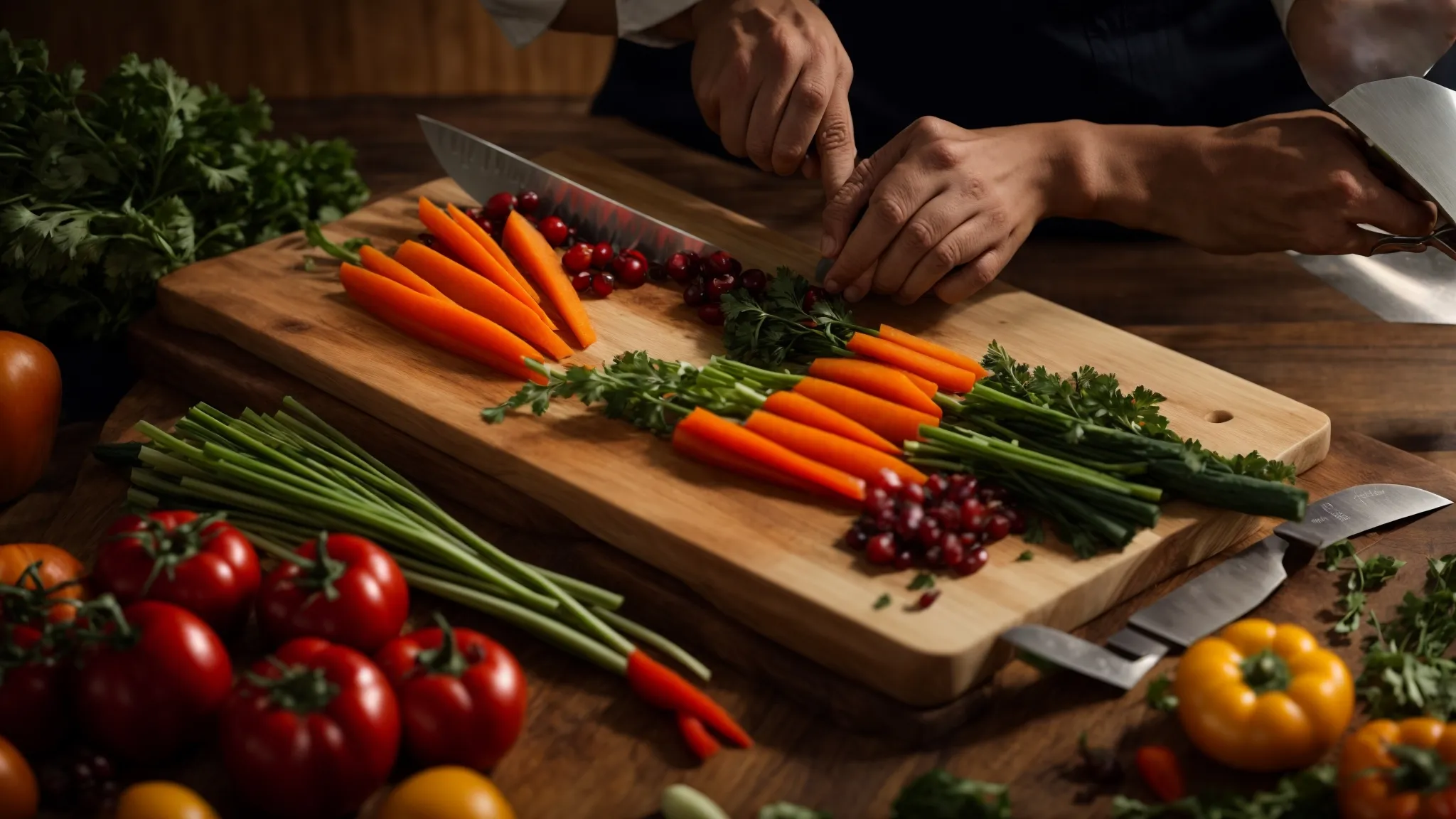
In the pantheon of kitchen tools, the John Boos Block Maple Wood Edge Grain Cutting Board commands respect among recipe creators for its durability and versatility. Curating the ideal dimensions and thickness of a cutting board ensures it can withstand the downforce of a glass herb chopper as well as provide a suitable surface for the swift motions of a bread knife. Essential maintenance, including the use of parchment to prevent moisture absorption and scissors for trimming away frayed edges, preserves the board’s structural integrity. Wooden boards distinctly trump alternatives with their inherent ability to self-heal and reduce knife dulling, reflecting a culture of seasoned chefs who prize functionality and longevity in their culinary arsenal.
Selecting the Ideal Size and Thickness for Your Tasks
Selecting the appropriate size and thickness for a John Boos Block cutting board is a nuanced decision that impacts both the functionality and the organization of one’s cooking space. For those who often reach for a bowl to collect chopped ingredients, adequate surface area prevents spillovers and keeps the work area tidy. Meanwhile, a thicker board will absorb the vigorous chopping needed for ingredients like garlic without damaging the pantry’s surfaces, ensuring that each culinary preparation is executed with precision and care.
- Consider the board size: ample for gathering ingredients, yet fits well within kitchen space constraints.
- Determine board thickness: robust to withstand frequent use, especially for tasks like mincing garlic.
- Assess the board’s durability to consistently provide a stable cutting surface for tasks ranging from whipping cream to slicing dense vegetables.
When integrated into the kitchen, the right cutting board becomes more than a mere tool; it is an extension of the chef’s hand, dutifully assisting in the creation of dishes that could grace the pages of a blog or ignite conversations on Twitter. Its presence in a well-appointed pantry signals a readiness to tackle any culinary challenge, from dicing onions for a delicate cream sauce to prepping vegetables for a vibrant stir-fry.
Maintenance Tips to Keep Your Board in Top Condition
To maintain the luster and durability of the John Boos Block Maple Wood Edge Grain Cutting Board, recipe creators must consider routine preservation actions as crucial as their advertising strategies. Incorporating gentle cleaning, proper oiling, and thorough drying into the care routine prevents warping and cracking, ensuring the board remains a reliable surface for everything from slicing chicken for a stir-fry to chopping vegetables for canning. Particularly mindful of the wear from frequent use, creators should treat these boards as they would a prized wok or the precision of a cookie cutter — with regular care to maintain top condition.
- Clean the cutting board with mild soap and warm water after use.
- Apply a food-grade mineral oil to the wood, evenly distributing a small amount across the surface to preserve the integrity of the grain.
- Allow the board to dry completely in an upright position to prevent moisture retention and bacteria growth.
The Benefits of Wooden Boards Over Other Materials
In a kitchen where every chop and slice is pivotal, the use of a John Boos Block Maple Wood Edge Grain Cutting Board imparts significant advantages over other materials. Wooden boards are not mere platforms for cutting; they contribute vast information to the culinary process, such as the gentle give necessary for preserving knife edges when dicing ginger or executing precise juliennes. Additionally, their surface is less prone to severe scratching, which simplifies hand washing and reduces the collection of bacteria, a detail particularly relevant to the mindful maintenance of kitchen hygiene and assurance of safe food handling backed by data.
Conclusion
Indispensable kitchen gadgets significantly elevate the precision and efficiency of recipe creation, from the narrow measuring spoons that ensure flawless flavor to the Lodge cast iron skillet that masters temperature control. Tools like the OXO Good Grips Triple Kitchen Timer orchestrate the complex timing essential for perfect dishes, while accurate scales and angled measuring cups grant consistency in measurements critical for replicating recipes. With the meticulous organization afforded by prep bowls and the safety ensured by KitchenAid Oven Mitts, creators maintain a streamlined workspace. Ultimately, these key gadgets contribute to the artistry and success of every culinary endeavor, underlining their importance in professional and home kitchens alike.