





Mastering Effective Communication in Physical Work Environments
In the intricate ballet of a bustling workplace, the ability to communicate effectively stands as the linchpin to operational success.
Statistical insights consistently spotlight communication competencies as pivotal for stakeholders, be they in engineering teams or executive boards, fostering environments where ideas flourish and efficiency soars.
Contrary to popular belief, the art of communication extends far beyond mere dialogue—it encompasses active listening, nuanced non-verbal cues, and adept conflict resolution strategies.
Crafting cogent messages and managing interpersonal dynamics effectively can transform potential confrontations into opportunities for growth and collaboration.
Keep reading to discover how mastering these skills can alter the trajectory of a professional setting, leading to improved productivity and a harmonious work atmosphere.
Key Takeaways
- Active Listening Is Fundamental to Fostering a Supportive and Collaborative Work Environment
- Mastery of Non-Verbal Communication Cues Is Integral to Effective Workplace Interactions and Team Synergy
- Embracing Diverse Communication Strategies, Including Technology, Can Bridge Gaps and Enhance Inclusivity
- Clear, Succinct Communication Is Essential for Preventing Misunderstandings and Promoting Innovation
- A Culture of Constructive Feedback Is Key to Professional Development and Positive Employee Morale
The Role of Active Listening in Effective Workplace Communication

At the heart of any thriving organizational culture, the proficiency of active listening stands as a cornerstone for promoting a safe and collaborative work environment.
This communicative skill extends beyond the simple act of hearing words; it demands a high level of empathy and attention, ensuring that all participants feel understood and valued.
To foster such an atmosphere, individuals must grasp the basics of active relaxing, from its foundational principles to the nuances that influence its effectiveness.
By adopting strategies tailored to enhance this skill, professionals can ensure they navigate through varying workplace scenarios with finesse.
Active listening is not just an interpersonal asset but also a legal virtue in settings where copyright issues necessitate clear understanding between parties.
It is within this framework that employees can weave a tapestry of trust and safety, integral to the fabric of any productive work environment.
Understanding the Basics of Active Listening
With the world gradually acclimating to post-pandemic dynamics, the essence of active listening becomes prominent in diverse professional settings, ranging from project management to nursing. Such a skill, grounded in empathy and informed by theory, enables a conducive dialogue amidst cultural diversity, thereby improving collaborative solutions. It is the attentive engagement in these conversations that build a resilient and empathic professional landscape.
Strategies for Becoming an Active Listener
Mastering the concept of active listening within the workplace involves cultivating an awareness of both verbal and non-verbal language, contributing to a more nuanced and intelligent dialogue among colleagues. Recognizing subtle cues and responding with thoughtful feedback reinforces an environment where each voice is acknowledged, and collaboration is strengthened.
Active Listening in Different Workplace Scenarios
In scenarios where human resource management professionals interact with individuals possessing a disability, the principles of active listening become paramount. Observing behavior with sensitivity and maintaining appropriate eye contact can convey respect and understanding, thereby facilitating a climate where each customer or employee knows that their voice holds value and their concerns are being addressed with the utmost attention.
Mastering Non-Verbal Communication in Physical Workspaces

In the intricate ecosystem of workplace communication, non-verbal cues are as much an organism with their own language as verbal exchanges.
These silent signals, whether intentional or involuntary, often speak louder than words, influencing perceptions and dictating the flow of interactions.
Within the bustling corridors and meeting rooms, understanding and harnessing the nuances of body language, eye contact, and facial expressions are akin to conducting a symphony of unspoken dialogues.
Mastery of these elements not only enhances message delivery but also serves as the best practice for maintaining harmony across diverse teams.
From the precise data analysis in a market research department to the meticulous attention to detail in managing payroll, deploying astute non-verbal communication strategies can operate as both a preventative measure against misunderstanding and as a remedy to foster trust and clarity in every exchange.
Types of Non-Verbal Communication in the Workplace
In the rich tapestry of the modern workplace, where a company’s brand is not just reflected in its privacy policy but also in the silent ballet of interpersonal interactions, non-verbal communication emerges as a pivotal element. An open door policy may set the tone for an inclusive culture, yet it is the subtle dance of body language, the silent nods that punctuate a conversation, and the genuine smiles that accompany the reception of feedback that truly articulate the unwritten ethos of an organization.
The Impact of Body Language on Message Delivery
Subtle shifts in an employee’s stance or the casual crossing of arms as they login to a conference call might unwittingly erect barriers to transparency, complicating the exchange of information. Mastery of body language is an asset in deciphering these unarticulated signals, effectively reducing turnover by addressing underlying issues before they escalate. Investing in training that emphasizes the subtleties of human gestures can significantly enrich the clarity and effectiveness of workplace communication.
Enhancing Your Non-Verbal Communication Skills
To refine proficiency in non-verbal communication, individuals in the corporate milieu, especially within insurance and human resources sectors, must prioritize subtlety and precision in their exchanges. The deliberate design of training modules incorporating up-to-date technology can bridge gaps in non-verbal cues comprehension, aligning with policy frameworks that promote clear, human-centric dialogues at all levels of interaction.
- Developing nuanced understanding of non-verbal signals to enhance interactions within the insurance industry.
- Structuring human resources training to include non-verbal communication, fostering a healthy organizational culture.
- Integrating technology in training programs to provide immersive experiences focused on non-verbal cues recognition.
- Designing policy and guidelines to standardize non-verbal communication practices across various corporate scenarios.
Overcoming Communication Barriers in the Workplace

Within the landscapes of professional interaction, navigating through the terrains of communication barriers is vital for sustaining connections and fostering mutual understanding.
Profound comprehension of the multifaceted challenges that can obstruct effective discourse is often gleaned from an extensive perusal of the relevant literature.
Recovering the subtleties of paralanguage and decoding its hidden messages open new vistas for clearer dialogue and collaborative success.
Enlightened by insights drawn from TED talks and scholastic resources, professionals are better equipped with the knowledge to discern and alleviate the intricate barriers posed by linguistic diversity and cultural differences.
Simultaneously, the strategic implementation of advanced technological tools offers the promise of bridging gaps, amplifying the reach of precise communication, and ensuring that nuances are preserved rather than lost in translation.
Identifying Common Communication Barriers
In the dance of workplace dialogues, common barriers to communication often emerge as hurdles that can escalate into larger issues if not addressed. Anger can cloud the mind and interrupt the flow of constructive conversation, demanding careful evaluation. Frameworks such as systems theory propose that communication issues are not isolated incidents but symptomatic of broader organizational dynamics, which can turn into a hazard for team cohesion and effectiveness.
| Barrier | Effect on Communication | Impact on Workplace |
|---|---|---|
| Anger | Distorts message, impairs judgement | Reduces collaboration, increases conflict |
| Misinterpretation | Leads to confusion, incorrect assumption | Complicates task execution, hinders productivity |
| Systems Theory Ignorance | Fails to recognize interconnectedness of issues | Perpetuates communication failures, reduces morale |
| Evaluation Errors | Creates bias, misunderstanding | Undermines trust, prompts disengagement |
Techniques for Overcoming Language and Cultural Barriers
To enhance the efficiency of communication in diverse work settings, professionals must cultivate emotional intelligence and understand the nuances of body language. This approach not only facilitates smoother interactions among colleagues from various cultural backgrounds but also serves to uplift workforce productivity through the trust and rapport built by active listening.
Leveraging Technology to Enhance Clarity and Understanding
In an era where psychological safety in the workplace is paramount, technology has become an essential asset. Innovative tools are now intrinsic to the market, bolstering communication protocols and ensuring clarity in cross-functional teams. It is the interplay between technological advancements and the science of communication that experts believe to be transformative, fostering environments where ideas are exchanged freely, and understanding is enhanced.
| Technological Tool | Function | Benefit |
|---|---|---|
| Collaborative Software | Facilitates team projects and discussions | Encourages transparency, boosts engagement |
| Communication Platforms | Enables instant messaging and video conferencing | Reduces misunderstandings, connects remote teams |
| Language Translation Applications | Provides real-time translation services | Breaks down language barriers, enhances inclusivity |
| Feedback Tools | Gathers constructive feedback anonymously | Promotes psychological safety, drives improvement |
Crafting Clear and Effective Messages

In tightly interwoven professional spheres, the ability to articulate ideas with precision stands as a key driver of success.
As artificial intelligence streamlines operations across industries, the human touch in communication becomes ever more pivotal.
Clarity and brevity emerge as strategic essentials, particularly in crafting written correspondence such as emails and memos, where misinterpretation can lead to undue stress and operational bottlenecks.
Research underscores the need for concise yet comprehensive messaging to convey opinion and information efficiently.
Furthermore, polishing verbal communication skills is paramount, as it ensures messages are not only heard but also fully comprehended, fostering an environment conducive to collaboration and productivity.
The Importance of Clarity and Brevity in Workplace Communication
In the tapestry of the workforce where space for creativity is essential, the clarity and brevity of communication are golden. Within both hybrid and traditional environments, professionals must navigate the delicate balance between providing enough information without overwhelming their audience. This art of succinct communication is invaluable in fostering an atmosphere conducive to innovation and efficiency in any profession.
- Understanding the interplay between clarity, brevity, and the spaciousness necessary for creativity in communication.
- Adapting communication methods to suit hybrid work environments while maintaining the essence of the message.
- Recognizing the role of succinct messaging in driving innovation and productivity within professional settings.
Tips for Writing Effective Emails and Memos
In shaping the organizational culture of any enterprise, clear communication is pivotal; this holds true across employment sectors, from health care to consulting. An effective email or memo should convey essential information succinctly, mirroring the precision of a consultant’s analysis or the clarity of a health care professional’s speech to swiftly inform and guide receiver’s actions without superfluous details or ambiguity.
Verbal Communication Skills for Clear Messaging
Empowering verbal exchange serves as the foundation for fostering motivation and cementing cooperation amongst team members. Effective verbal communication mitigates frustration during collaborative projects by ensuring that all participants are clear on objectives, which is pivotal during data collection and other project phases. It is this clear articulation of thoughts and intentions that underpins successful collaboration in physical workplaces.
Managing Conflicts Through Effective Communication

In the intricate dance of workplace dynamics, effective communication serves as the linchpin for resolving conflicts and fostering an environment conducive to employee retention.
The strategic use of visual communication, particularly through the judicious use of eye contact and body language, enhances employee communication by breaking down barriers and promoting openness.
As companies strive to cultivate a culture that encourages healthy discussions, they often adopt a multipronged approach, incorporating both the role of communication in conflict resolution and strategies for constructive conflict management.
Nurturing such a supportive corporate atmosphere is essential, not only for the immediate resolution of disputes but also for the development of a resilient workplace culture that thrives on transparent and honest exchanges.
The Role of Communication in Conflict Resolution
In the terrain of business communication, the adept use of tone and expression plays a critical role in resolving workplace conflicts. Conveying messages with clarity and confidence serves as a catalyst for de-escalating tensions, ensuring that the workflow proceeds unimpeded. Maintaining this level of proficiency in communication is not merely a suggestion but a mandate within professional environments, where all rights reserved policies reinforce the importance of harmonious interactions.
Strategies for Constructive Conflict Management
Embracing diversity in thought and background, professionals can leverage the intranet as a platform for continuous learning and sharing strategies to manage workplace disputes constructively. By valuing every individual’s perspective and fostering open channels for communication, organizations can significantly elevate job satisfaction by transforming conflict into opportunities for growth and innovation.
Developing a Workplace Culture That Supports Healthy Discussions
To cultivate a workplace culture that values healthy discussions, it is imperative that organizations build a foundation that intertwines productivity with robust information technology systems. By doing so, clear communication practices become deeply embedded, contributing to both enhanced customer satisfaction and the preservation of mental health among employees. At its core, such a culture is not only about adhering to ethics but also about empowering every member of the organization with the tools and confidence to share their perspectives constructively.
- Establishing communication channels bolstered by information technology to facilitate productivity and open dialogue.
- Implementing policies that recognize the importance of mental health in maintaining a productive and ethical workplace.
- Crafting a culture where customer satisfaction is linked to the effective resolution of conflicts through healthy discussions.
The Power of Feedback in Building a Supportive Work Environment
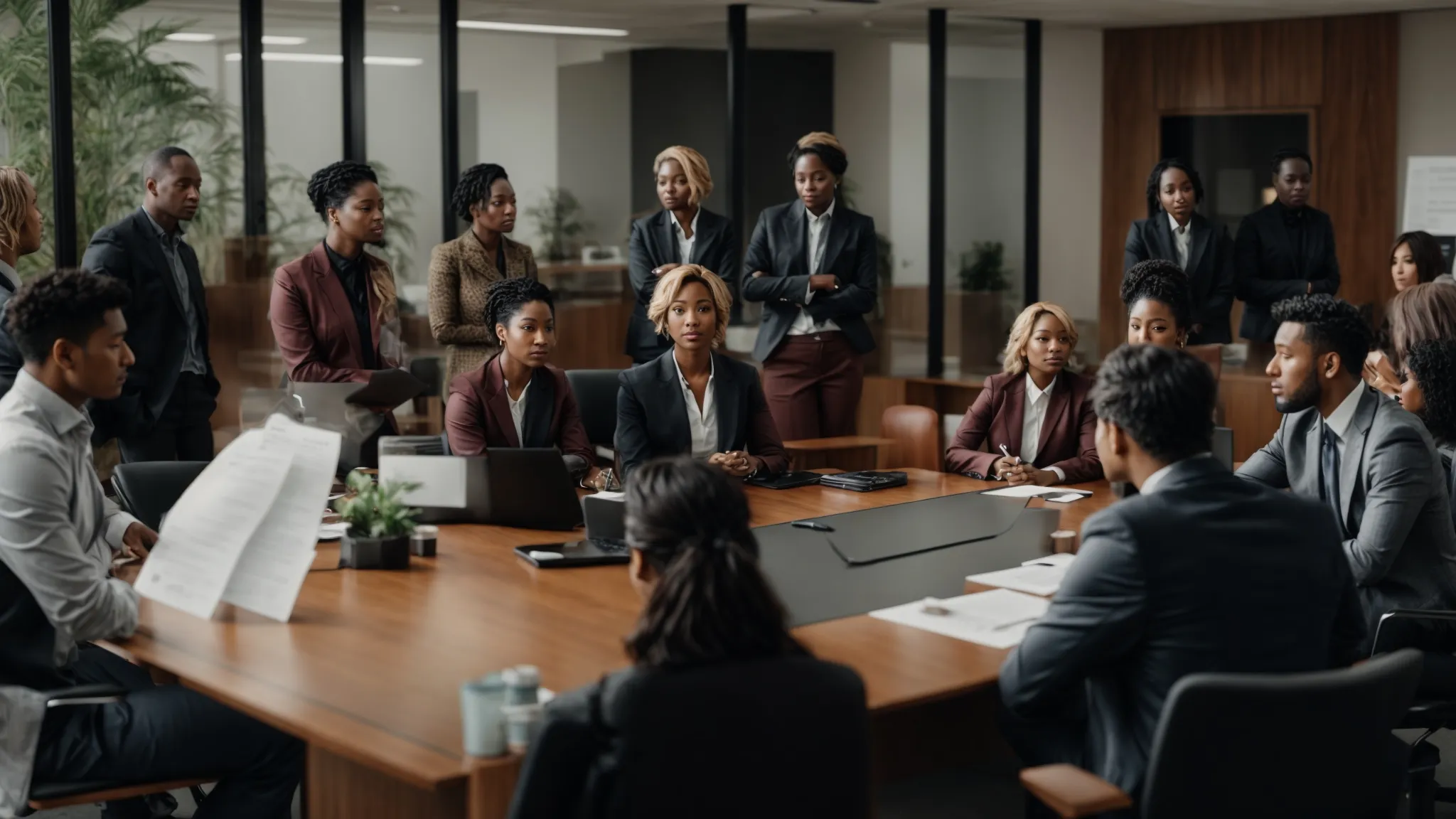
As organizations strive to craft an environment of continuous improvement, feedback stands as the linchpin of professional growth and team synergy.
From the initial onboarding to the ongoing cultivation of leadership capabilities, effective workplace communication plays a pivotal role.
It establishes a direct correlation between the quality of feedback exchanged and the acceleration of both personal and collective development.
With a patient yet proactive approach, professionals can engage in best practices for giving and receiving feedback, tirelessly shaping the foundation of a feedback culture that propels both individual ambition and organizational excellence in physical work environments.
Best Practices for Giving and Receiving Feedback
In the realm of effective management, establishing a robust communication channel is crucial for the dissemination of feedback, allowing it to resonate and instigate growth within an organization. Amidst the evolution of internal communications, particularly with the rise of remote work, the infusion of feedback practices offers a path toward sustainable workplace development. As managers and employees engage in this exchange, the focal point remains on the clarity, purpose, and respect imboused within each piece of feedback, reinforcing a culture that thrives on constructive dialogue and the continuous advancement of professional skills.
The Role of Feedback in Personal and Team Development
In fostering a culture where education and growth are paramount, feedback is an indispensable tool that shapes the development of both the individual and the team. Constructive critiques and recognitions are interwoven with experience, serving not only as a catalyst for problem solving but also as an instrument for enhancing employee morale. Respectfully implemented feedback mechanisms protect the privacy of individuals, creating a space where candid conversations promote learning and improvement without fear of undue exposure.
- Feedback mechanisms strengthen an individual’s education and experience, paving the path for ongoing professional development.
- Problem solving is enhanced through constructive feedback, bolstering the team’s ability to address challenges collaboratively.
- Implementing feedback with a consideration for privacy safeguards employees, fostering an environment of trust and open communication.
- Recognizing achievements and addressing areas for growth contributes to heightened employee morale and workplace satisfaction.
Creating a Feedback Culture in Physical Work Environments
Establishing a feedback culture within physical work environments goes beyond scheduled reviews; it requires a commitment to an ongoing dialogue where expressions of encouragement are as commonplace as constructive guidance. Tailoring feedback to individual needs and circumstances, such as utilizing asynchronous communication methods for off-site employees or face-to-face expressions of support, enriches morale. This nuanced approach—observing a colleague’s facial expression when delivering feedback, addressing health with genuine concern, and skillfully navigating conflict management—solidifies a foundation for a robust and supportive workplace culture.
Conclusion
Mastering effective communication in physical work environments is essential for fostering teamwork, resolving conflicts, and ensuring a collaborative and productive atmosphere.
It involves not just verbal exchanges but also a keen understanding of non-verbal cues to convey messages clearly and avoid miscommunication.
Well-honed communication skills enable employees to provide and receive feedback constructively, which is crucial for personal growth and team development.
Ultimately, the success of an organization hinges upon the ability of its members to navigate and utilize communication strategies efficiently within the workplace.