




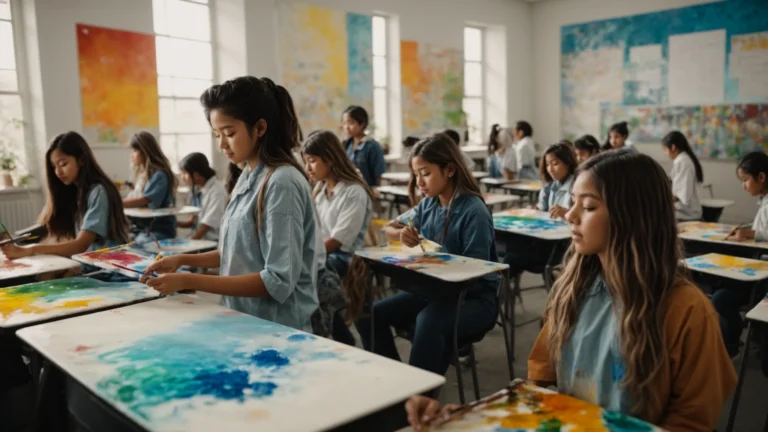
Innovative Projects to Ignite Student Curiosity
In the realm of education, the transformation of a classroom into a dynamic space for learning hinges on the creative spark that innovative assignments can introduce.
As research unfolds new methodologies, educators aim to intertwine motivation directly into the fabric of curriculum design through compelling activities.
Columbia stands as a testament to this approach, with examples that serve as a beacon to those eager to enrich the educational experience.
In this article, readers will discover how to breathe life into academic environments with creative projects that ignite student curiosity.
Key Takeaways
- Creative Assignments Enhance Student Engagement and Foster Innovative Thinking
- Incorporating Technology and Privacy Considerations Is Vital for Modern Education
- Interactive Methods and Collaborative Projects Improve Problem-Solving Skills
- Differentiating Instruction Is Essential to Address Diverse Student Needs
- Effective Use of Resources Like Microsoft Teams Can Enrich the Learning Environment
The What and Why of Creative Assignments
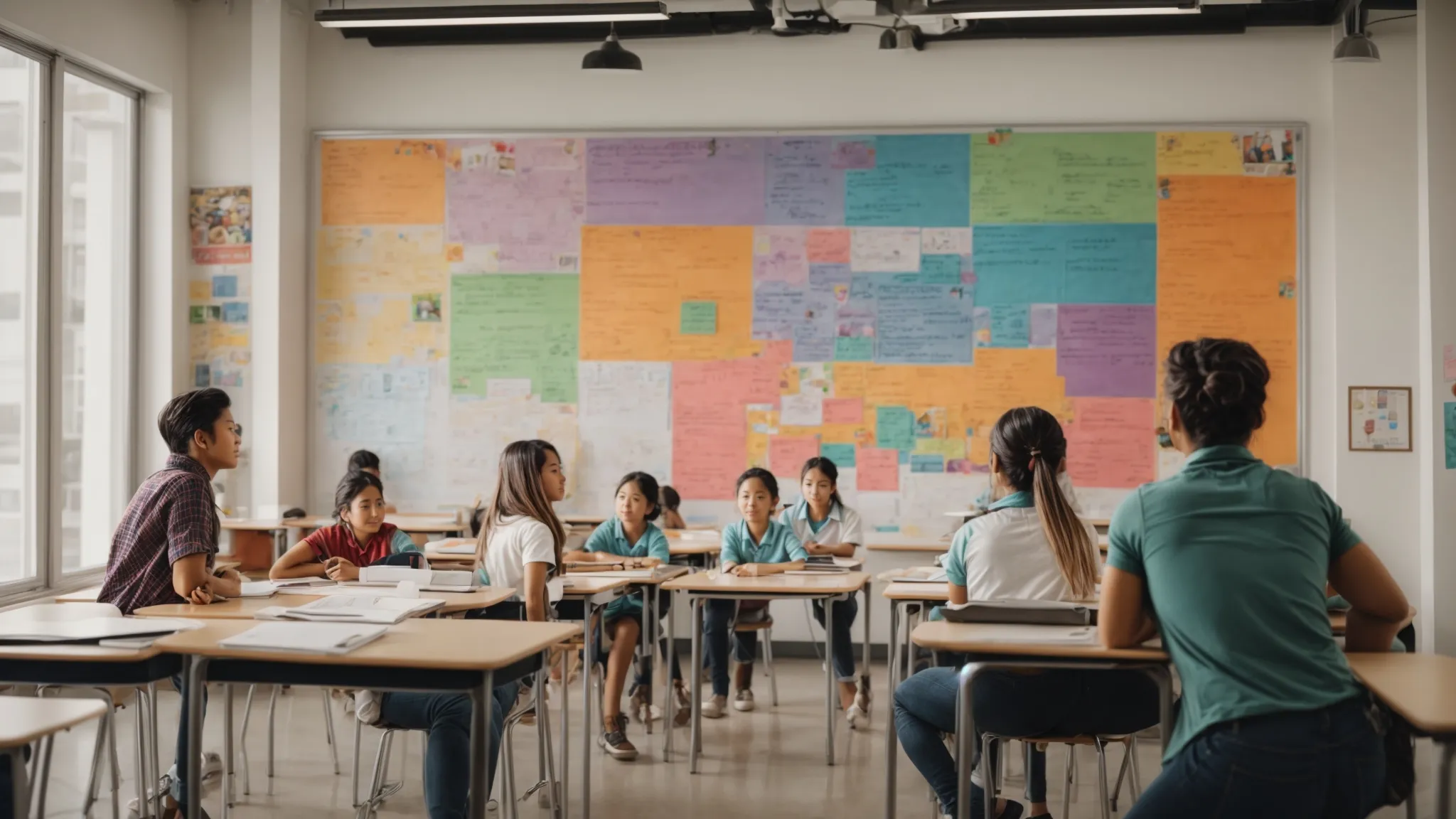
The infusion of creative assignments in education ignites student curiosity and transforms the white space of a whiteboard into a vivid concept map of ideas.
By incorporating innovation into their pedagogical strategies, educators are not merely encouraging students to think outside the box; they are redefining the parameters of the box itself.
Creative assignments do not stand in isolation but serve as a bridge to achieving a deeper understanding of the role creativity plays in learning, pinpointing the objectives these assignments aim to fulfill, and recognizing the multitude of benefits they offer.
As students engage in such inventive projects, they not only cultivate a passion for learning but also develop essential skills in collaboration and critical thinking, which are further enriched through activities that intertwine reading with imaginative exploration.
Understanding the Role of Creativity in Learning
At the heart of education lies the power of creativity, an element that extends beyond artistic endeavors to encompass every aspect of learning. When instructors infuse their curriculum with creative assignments, they are not merely offering students a choice in how they express their knowledge; they are fostering an environment where innovative solutions become the norm. By placing an emphasis on creativity, educators empower their pupils to approach problem solving with a fresh perspective, turning the traditional learning paradigm into a dynamic process where each concept becomes a launchpad for discovery.
- Creative assignments provide students with a choice in their learning path.
- Such tasks foster an environment ripe for the development of innovative solutions.
- Emphasizing creativity equips students with robust problem-solving skills.
- This approach transforms conventional learning into a dynamic, concept-driven process.
Identifying the Goals of Creative Assignments
In framing the objectives of imaginative assignments, one pivotal goal stands out: to foster greater accessibility of complex subject matter through the lens of student-driven ideas. Such tasks are designed not only to bolster student engagement through hands-on and meaningful participation but also to encourage ownership of the learning process. Moreover, they facilitate the development of metacognition as students critically reflect on their thought processes and become actively involved in the creation and understanding of new concepts.
Benefits of Innovative Projects for Students
In the realm of educational exploration, the integration of innovative projects such as crafting a login portal for a historical figure in social studies, or navigating a menu of complex equations in math, dramatically reshapes student perspective. Activities like brainstorming solutions to societal challenges not only fuel curiosity but also refine students’ ability to analyze and synthesize information from diverse viewpoints, empowering them to construct knowledge that is both profound and personal.
- Constructing a login portal enhances understanding of historical figures.
- Navigating a complex menu of equations deepens mathematical comprehension.
- Brainstorming fosters analytical and synthesis skills in problem-solving.
Examples of Creative Teaching and Learning at Columbia
In the scholarly halls of Columbia, educators continuously strive to enable students to traverse the expansive world of knowledge through a curriculum infused with imaginative assignments.
These educational ventures, characterized by their robust design and thought-provoking nature, have yielded case studies exemplifying projects that not only achieve academic goals but also succeed in kindling the flames of curiosity within students.
The following accounts detail the ingenuity behind such endeavors and illustrate the profound impact these creative undertakings have on the minds eager to explore the ever-broadening horizons of thought.
Case Studies of Successful Projects
At Columbia, a standout project integrating peer review into its structure allowed students to select a language of study and engage in immersive activities which broadened their linguistic capabilities. This innovative approach transformed the language learning process into a captivating journey for the mind, driving peer interaction that deepened understanding and appreciation for the nuances of communication.
How These Projects Ignited Student Curiosity
In an era where educators at Columbia University are pushing the frontiers of instructional methodology, one particular endeavor stands out for its urgency in stoking the fires of intellectual desire. Tasked with conjuring the image of a historical epoch through the power of narrative and research, learners found their learning styles challenged and synergized, while social skills were honed in the crucible of collaborative endeavors. The clear goal was to stimulate the brain’s capacity for novel connections, an objective decidedly met as curiosity burgeoned in the hearts and minds of those involved.
How Do I Get Started?: Strategies to Support Creative Assignments
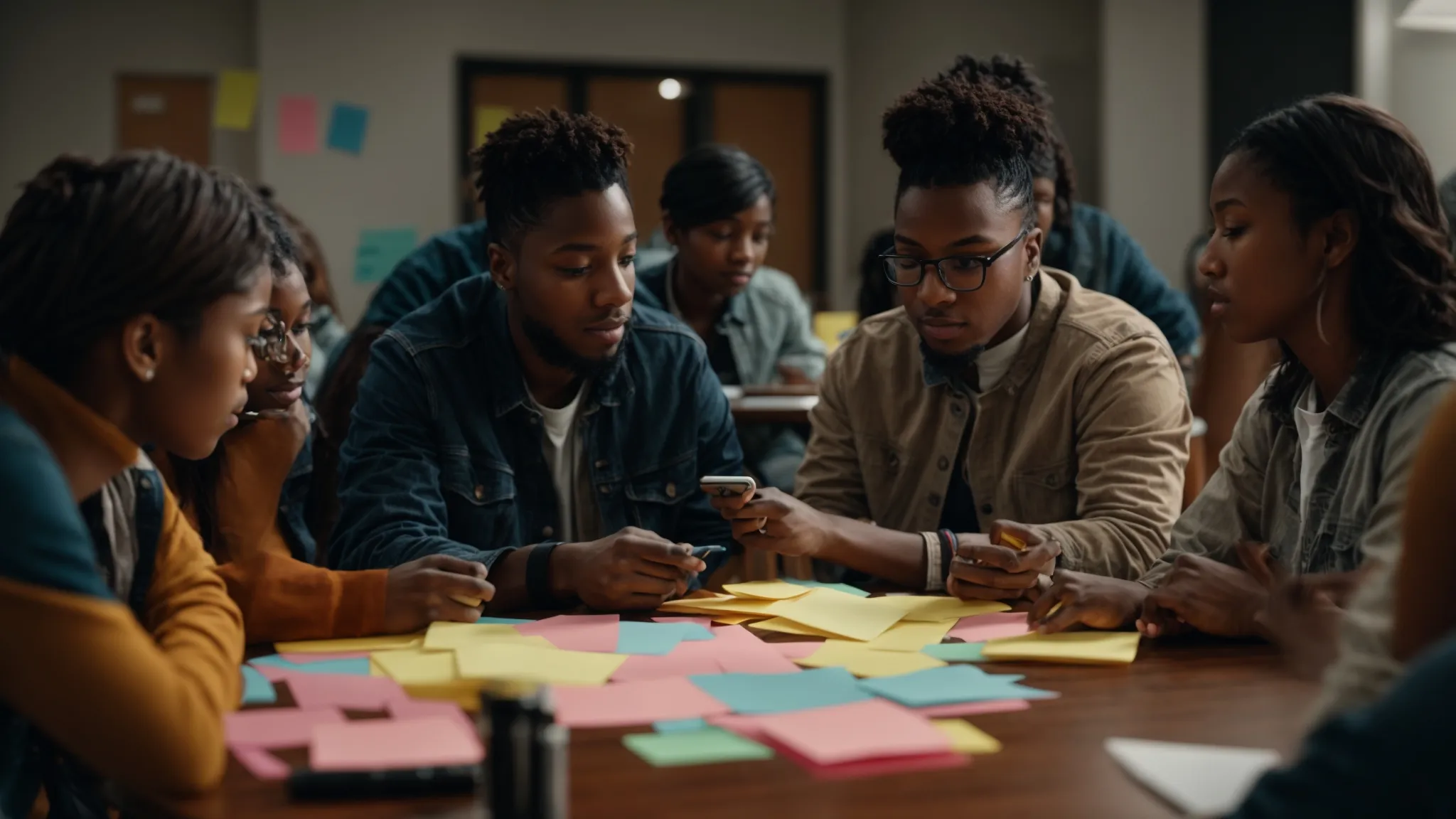
Initiating inventive educational practices demands careful attention to structure and a dedication to fostering an atmosphere conducive to creative expression.
Design considerations for creative assignments should prioritize collaborative opportunities, ensuring that teamwork is at the core of student projects.
Incorporating low-stakes activities, such as brainstorming sessions or the creation of a podcast series, prepares students to embrace more complex tasks, allowing them to write, share, and reflect without the immediate pressure of formal evaluation.
Interactive methods serve to cultivate creative thinking within the classroom environment, a crucial step before engaging in the more demanding aspects of educational assessment.
Such strategies equip learners with the confidence and skill to approach assignments with originality and enthusiasm.
Design Considerations for Creative Assignments
In crafting assignments that stimulate innovation and curiosity, educators must consider not only the energy and skill required from students but also how to tailor experiences to individual learning needs through differentiated instruction. Professional development may offer valuable insights into integrating technology and privacy concerns, ensuring that all students can safely participate and express their ideas freely.
- Design assignments to energize students and build on their existing skill sets.
- Incorporate differentiated instruction to meet the diverse needs of the classroom.
- Provide professional development for educators to blend technological tools with privacy safeguards effectively.
Low-Stakes Activities to Prepare Students for Creative Assignments
Initiation into the world of creative assignments can begin with quick, low-stakes activities that transform the traditional learning space into a collaborative community. Effective classroom management techniques may include the use of an interactive worksheet that encourages collective input and lays the groundwork for more intricate projects:
| Activity | Description | Objective |
|---|---|---|
| Interactive Worksheet | A carefully structured activity where students contribute ideas on a shared document. | To build a foundation for teamwork and collective brainstorming in preparation for complex assignments. |
Cultivate Creative Thinking in the Classroom Environment
To cultivate creative thinking in a classroom environment, educators must move beyond the standard transmission of concepts and data. By intertwining objects and artifacts with lessons, memory becomes more than a repository of information; it evolves into a psychological canvas where students connect what they learn with the world around them.
| Technique | Application | Benefit |
|---|---|---|
| Artifact Integration | Incorporating physical objects into lessons to represent and reinforce concepts. | Enhances memory retention and helps in grounding abstract data with tangible psychology. |
References

In the pursuit of educational innovation, the selection of appropriate resources and technology is paramount in assisting both instructors and students to reach new levels of academic fluency.
Microsoft Teams emerges as a crucial symbol within this digital ecosystem, providing a versatile platform that fosters collaboration and accessibility.
Instructors seeking to formulate the right question to prompt critical thinking can leverage varied apps designed to align with pedagogical goals.
The forthcoming section titled “CTL Resources and Technology for You” delves into how such applications and platforms can be harnessed effectively within the classroom, thereby strengthening students’ educational experiences and enhancing their engagement.
CTL Resources and Technology for You
The Center for Teaching and Learning (CTL) offers a suite of resources and technologies that encourage students to engage with learning material actively. These tools, ranging from multimedia-enhanced computer applications to policy-compliant sharing platforms, enrich the educational experience by providing diverse avenues for inquiry and interaction.
Conclusion
Innovative projects propel students beyond conventional learning paradigms, transforming education into a vivid exploration of ideas.
By fostering an environment ripe for creativity, these assignments enable learners to develop a deeper understanding through active engagement and ownership of their knowledge journey.
The real-world application and active problem-solving aspects of creative tasks significantly enhance critical thinking skills.
Columbia’s case studies exemplify the profound effect that imaginative learning opportunities have on sparking student curiosity and intellectual development.