




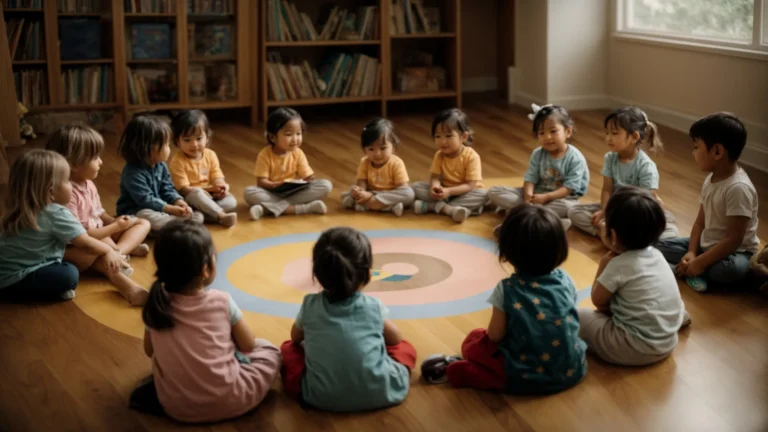
Why Early Childhood Education Is Crucial for Development
Early childhood education, a critical period of learning and development, extends far beyond the boundaries of a traditional curriculum.
It shapes the foundation of an individual’s cognitive capabilities in a way that no bachelor of arts or nursing degree can emulate, underscoring the profound importance of education in childhood.
From early behavioral patterns to neural connectivity, the experiences provided during this stage can project a trajectory that lasts a lifetime.
In this article, readers will uncover the vital elements that constitute a robust early childhood education program and the societal gains of nurturing our youngest minds.
Key Takeaways
- Early Childhood Education Is Crucial for Holistic Child Development Beyond Just Academic Readiness
- Educators and Safe, Nurturing Environments Are Pivotal to Facilitating Children’s Learning and Development
- Quality ECE Programs Support Language and Cognitive Skills, Laying a Foundation for Future Success
- Early Investment in Education Yields Significant Social and Economic Benefits for Both Individuals and Society
- Innovations and Inclusive Policies Are Necessary to Ensure All Children Have Access to Quality Early Childhood Education
Defining Early Childhood Education and Its Significance

Early childhood education encompasses a spectrum of experiences designed to foster young minds during a pivotal stage in human development.
Recognizing the multifaceted nature of cognition, early childhood programs aim not just at academic readiness, but at the holistic development of a child’s skills and abilities.
The architecture of these formative years lays a crucial foundation for future learning, social interaction, and participation in the workforce.
In developmental psychology, emphasis is placed on the myriad ways these early experiences shape an individual’s capacity for lifelong learning and adaptation.
Thus, by examining what constitutes early childhood education and the critical development stages, one can appreciate the profound impact of these early educational encounters.
What Constitutes Early Childhood Education?
At the core of early childhood education lies the structured yet flexible framework designed to cater to the unique learning curves of young children. An early education program offers an amalgamation of nurturing care, tailored pedagogies, and stimulating experiences that collectively foster a child’s growth. The role of early childhood educators cannot be understated, as they must skillfully mitigate stress in the learning environment while accentuating the importance of early education.
Early Development Stages and Their Importance
Within the trajectory of a child’s growth, the stages of early development are instrumental in shaping cognitive, emotional, and social capabilities. A preschool teacher, attuned to the nuanced progress of each young learner, enables a deeper understanding of concepts and skills. Through careful attention to the nuances of early development, the importance of early education is underscored, laying a lasting framework for a child’s future achievements.
The Role of Early Childhood Education in Brain Development
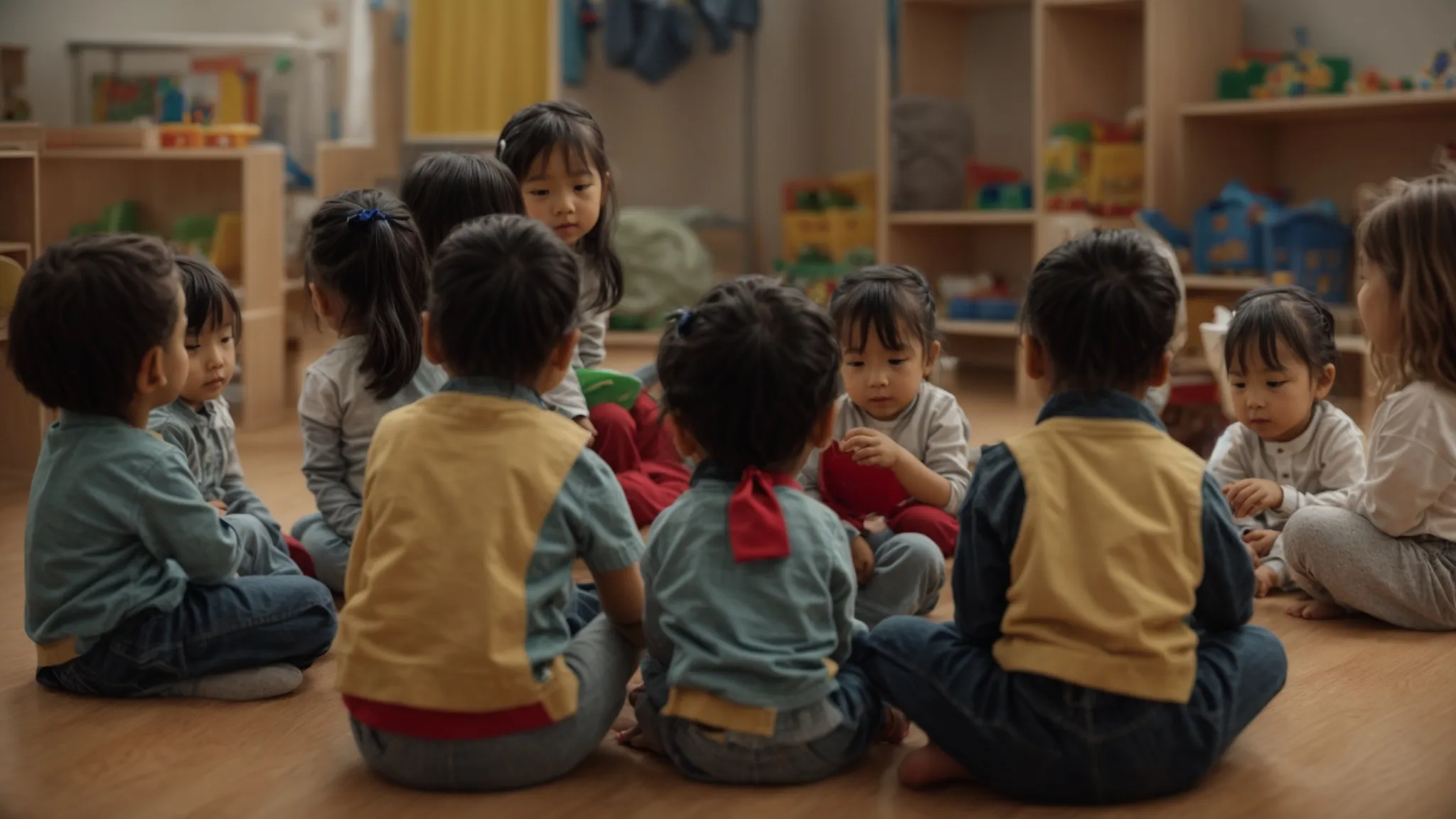
The advent of early childhood education (ECE) marks a significant period in brain development, during which the foundations for cognitive skills, language acquisition, and social and emotional growth are solidly laid.
Within the protected confines of a preschool, young minds are exposed to a variety of problem-solving scenarios that challenge and expand their cognitive abilities.
The transmission and assimilation of information within an early childhood program not only sharpen problem-solving techniques but also fuel the expansion of brain pathways critical for complex thought processes.
Moreover, the early childhood environment acts as a crucible for language development, where the intricate dance of sounds and meanings come together to form the basis of communication skills.
As these young individuals navigate their formative social milieus, they cultivate emotional intelligence and an aptitude for empathetic interactions, which are essential for lifelong interpersonal dynamics.
Thus, ECE plays a transformative role in sculpting the intellectual and emotional circuitry of the developing brain.
How ECE Influences Cognitive Skills
The influence of Early Childhood Education (ECE) on cognitive skills is profound, as it fosters early mastery in areas critical to a child’s welfare. Through engaging activities and curriculum, children develop foundational skills in numeracy and enrich their vocabulary. This educational stage, supported by UNESCO guidelines, equips young learners with the burgeoning skill sets necessary for future academic achievements and life endeavors.
| Aspect of Cognitive Development | Role of ECE | Impact on Child Welfare |
|---|---|---|
| Numeracy Skills | Introduces basic mathematical concepts through play and guided activities. | Equips children with essential problem-solving skills and the ability to quantify their experiences. |
| Vocabulary Growth | Encourages language development through story-telling, songs, and conversations. | Expands a child’s ability to communicate effectively and express their ideas clearly. |
| General Knowledge | Provides diverse learning materials and experiences that broaden understanding. | Contributes to a well-rounded perspective and prepares children for complex learning. |
The Impact on Language Acquisition
The impact of early childhood education on language acquisition cannot be overstated: it is the cornerstone to fostering literacy and cognitive development. The investment in quality preschool education ensures children grasp the subtle nuances of language, sparking an early affinity for words and communication. Acknowledging the importance of preschool education, children are immersed in rich linguistic environments, amplifying their capacity to navigate the complexities of language.
- Early childhood frameworks place immense value on language as a tool for cognitive expansion.
- Literacy forms a critical component of early education, with a pronounced focus on language skills.
- Investment in early childhood educational settings pays dividends in a child’s linguistic and cognitive prowess.
Enhancing Social and Emotional Growth
Early childhood education serves as the essential bridge to higher education, where the seeds of social and emotional maturity are planted. Through policy that encourages supportive interactions and emotional development, children are better prepared to navigate the social challenges of primary school. As parents and educators proactively engage in fostering these critical skills, they lay the groundwork for a future of adept social integration and lifelong learning.
Lifelong Benefits of High-Quality Early Education
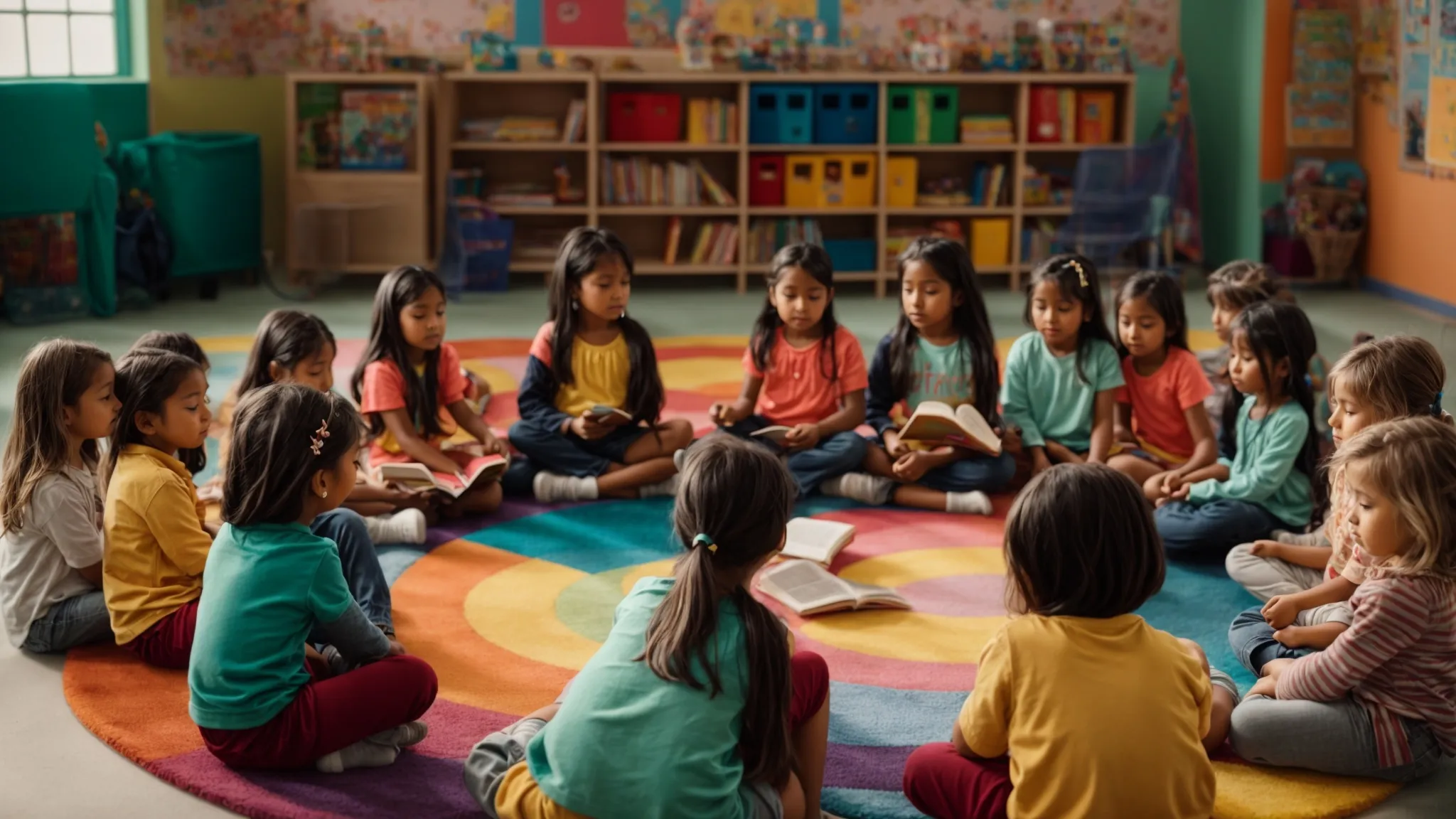
The profound impact of early childhood education extends to numerous aspects of personal and community life, influencing not only academic achievement but also fostering long-lasting social benefits.
Through rigorous studies in psychology, experts have established that a strong foundation in these crucial years bolsters individual productivity, while thoughtfully designed privacy policies in educational settings ensure the protection and health of young learners.
Furthermore, high-quality early education is linked to a decrease in societal expenses over time, as it equips individuals with the necessary tools to contribute positively to society.
These various strands of impact echo the importance of investing in children’s formative education for the betterment of both the individual and the wider community.
Academic Achievement and Beyond
The solid foundation laid by early childhood education extends far beyond academic success, nurturing a child’s knowledge acquisition and fostering a natural inclination towards exploration. By encouraging the development of robust social skills, early education environments contribute to healthier mental health outcomes and cultivate potential leadership qualities that children carry into adulthood. These formative experiences are pivotal, as they promote a holistic approach to education that values the mental, social, and emotional dimensions of learning as much as the intellectual.
Long-Term Social Benefits
The ripple effect of early childhood education reaches deeply into the fabric of society; children emerging from enriched learning environments, such as those experienced in kindergarten, tend to exhibit enhanced levels of critical thinking and superior child development outcomes. As these children mature and integrate into their communities, their refined social skills translate into collaborative and civic-minded contributions, ultimately fortifying the community structure with well-rounded, thoughtful individuals.
Reduction in Future Societal Costs
Investing in early childhood education reaps economic dividends, reflecting a principle well-acknowledged by studies in neuroscience: the earlier the intervention, the broader the long-term benefits. By laying a strong foundation through school and socialization, children are less likely to require remedial education or engage in anti-social behavior, thereby reducing the burden on the economy. Embracing this concept ensures that society reaps the rewards of nurturing well-developed and responsible individuals.
- Early investment in children’s education contributes to a stronger economy by diminishing future costs associated with crime and welfare.
- Quality early childhood programs boost school readiness, leading to better academic performance and reduced need for special education services.
- Enriched early socialization skills foster societal harmony and reduce expenditures related to healthcare and social services.
Key Components of an Effective ECE Program
An effective Early Childhood Education (ECE) program is the cornerstone of a child’s developmental journey, with multiple facets playing pivotal roles in its success.
Primarily, the caliber of educators within these settings is paramount; qualified teachers catalyze early learning, implementing strategies supported by the Abecedarian Early Intervention Project and other pedigree research.
Furthermore, a stimulating curriculum can ignite a child’s innate curiosity, laying the foundation for lifelong reading habits and an appetite for knowledge.
Equally pertinent is the establishment of a safe and nurturing environment, crucial for fostering a sense of security and confidence as children take their initial steps into society.
Each component synergistically contributes to the robust framework that propels early childhood education into a force for individual growth and societal benefit.
Qualified Teachers and Their Role in ECE
In the intricate tapestry of early childhood education, qualified teachers are paramount, serving as architects of a learning environment that encourages burgeoning curiosity while mitigating influences that may stem from poverty or crime. These educators come equipped with a deep understanding of child development, ready to cultivate young minds and interweave foundational knowledge with skills such as conflict resolution. Their expertise is pivotal in transforming a child’s natural inquisitiveness into a lifelong pursuit of exploration and learning.
- Qualified teachers create and maintain learning environments that foster curiosity and cognitive development.
- They possess the skill set to address and reduce the impacts of poverty and crime through education.
- Teachers in ECE play a significant role in teaching young children vital social skills, including conflict resolution.
The Importance of a Stimulating Curriculum
A curriculum that stimulates and engages is fundamental to laying the groundwork for an infant’s brain development, giving them a head start in academic achievement. Harvard University research underscores the importance of an interactive learning experience that catalyzes language development and sets a course for success in future educational endeavors. The careful curation of such a curriculum fosters not only intellectual growth but also a profound enthusiasm for learning from the earliest stages of education.
- Stimulating activities within the curriculum promote foundational brain development and cognitive skills in infants.
- Early exposure to enriched educational programs offers infants a head start, supporting academic achievement down the line.
- Harvard University studies highlight the curriculum’s role in accelerating language development, crucial for later literacy.
Creating a Safe and Nurturing Environment
The refinement of social emotional development within young learners hinges on the presence of a secure and nurturing atmosphere within educational environments. This type of climate encourages the flourishing of mentorship bonds between educators and students, laying a foundation for trust and positively impacting cooperation and creativity in learning processes. High-quality education programs emphasize the creation of such environments as pivotal in the support and cultivation of each child’s intrinsic potential.
Overcoming Barriers to Accessing Quality Early Education
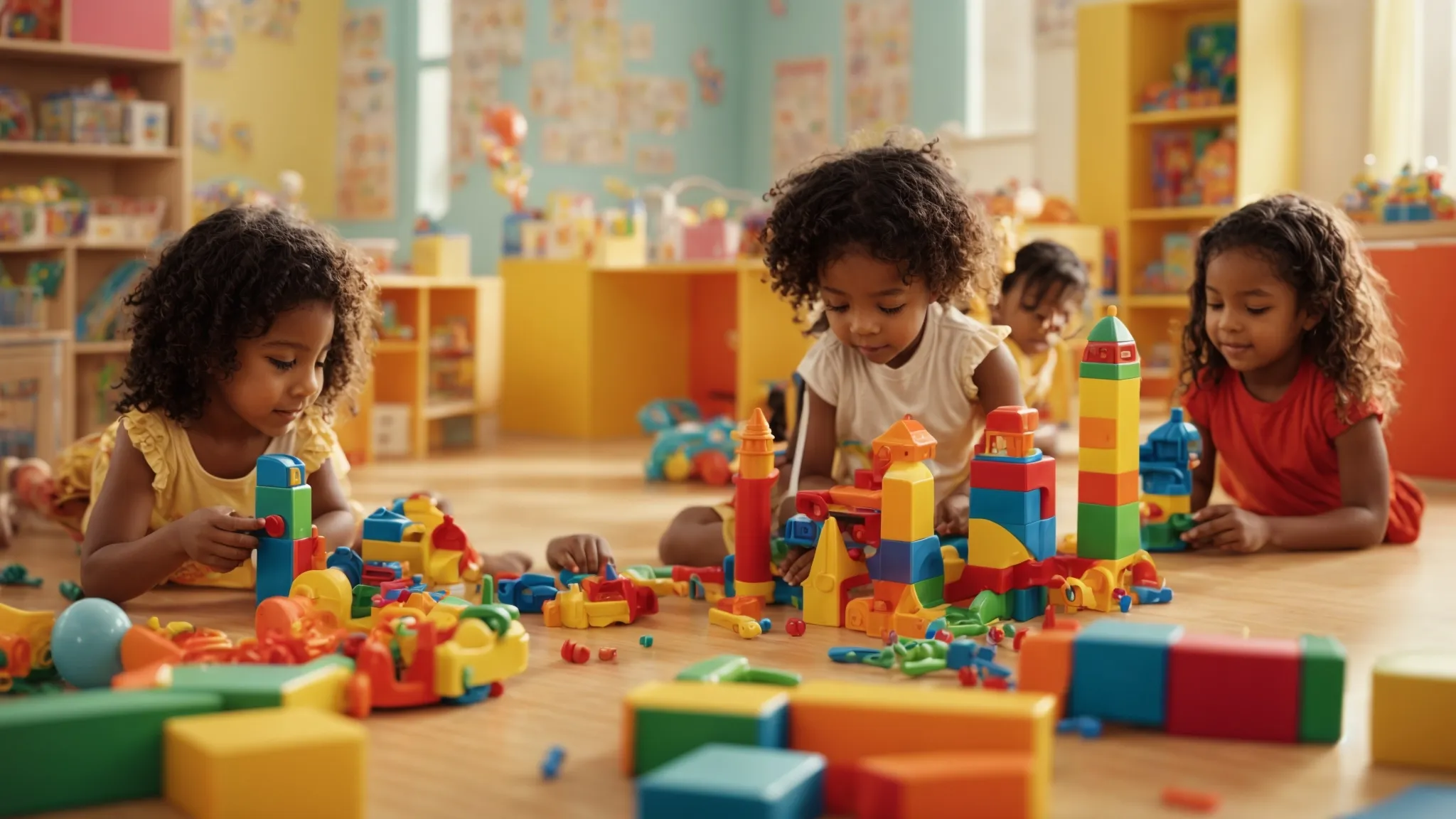
Securing access to quality early childhood education remains a formidable challenge for numerous families worldwide, with affordability often forming the most significant barrier.
Efforts must be intensified to dismantle the cost obstacles, thereby ensuring broader inclusion of diverse communities and fostering an environment where every child can thrive.
Innovative employment models blend with smart technology to deliver tailored learning experiences, while data-driven strategies inform expansive policy reforms.
The evolving collaboration between educators, policymakers, and community leaders is central to increasing availability and creating a transformative model for early childhood education, one that is accessible to all irrespective of socio-economic backgrounds.
Addressing the Issue of Affordability
Reducing the economic hurdles to quality education, particularly in the importance of early years education, calls for innovative funding strategies and policy reforms. By subsidizing the cost of ECE, governments and philanthropic organizations can empower every teacher to contribute to the comprehensive development of their students, ensuring that economic status does not limit a child’s educational opportunities.
The Importance of Inclusivity and Diversity
Regulation in early childhood education mandates an environment where inclusivity and diversity are integral, recognizing that each child’s unique experiences contribute to a richer learning community.
By emphasizing the importance of reading in early years within diverse cultural contexts, educators can cultivate a respect for varying narratives, supporting the importance of childhood education for every demographic.
Comprehensive child care policies that prioritize inclusion help safeguard against discrimination, ensuring equal access to health and educational resources amidst challenges such as disease prevention and management.
Strategies for Expanding Reach and Accessibility
To effectively broaden the scope of quality early education, strategies must integrate the enhancement of language skills, a key element in bridging communication gaps. Acknowledging the economics of accessibility, policymakers and educators collaborate to underscore the importance of preschool, devising models to reduce financial restraints and extend the benefits of preschool education. In this strategic approach, the cultivation of empathy through interactive learning becomes inherent, creating pathways for meaningful inclusion across diverse learning communities.
How Families and Communities Can Support Early Learning

Embracing the benefits of early years education requires a synergy between families, communities, and educational systems to cultivate environments in which children can thrive.
Parental engagement in child education has emerged as a significant catalyst for developmental success, instilling national importance in the individual efforts of families.
Similarly, local community resources and partnerships play a vital role in reinforcing the learning and developmental milestones set out in childhood education programs.
To strengthen these collaborative efforts, persistent advocacy for improved early childhood education policies is imperative, ensuring that every child has the opportunity to benefit from high-quality educational experiences from their earliest years.
The Role of Parental Engagement in Child Education
Parental engagement plays an instrumental role in a child’s educational journey, serving as a critical support system for their intellectual and emotional development. When parents take an active part in their children’s education, they lay a robust foundation for effective learning and reinforce skills that are taught in early childhood programs.
- Active parental involvement in early education fosters a collaborative network that extends teaching from the classroom into the home environment.
- Parents who participate in their children’s learning activities contribute to reinforcing educational content and enhancing their understanding.
- Such engagement shows children that their educational progress is valued, promoting a positive attitude towards learning and schooling.
Community Resources and Partnerships
Community resources and partnerships form a vital nexus in the ecosystem of early childhood education, bridging gaps between families, schools, and external support systems. These collaborations extend educational initiatives into broader circles, ensuring resources and developmental opportunities are accessible to all children, irrespective of their backgrounds.
- Partnerships with local libraries enrich literacy programs and foster a love for books.
- Collaborations with health services promote comprehensive wellbeing necessary for cognitive development.
- Joint efforts with community centers offer extracurricular activities that enhance social and emotional skill sets.
Advocacy for Better Early Childhood Education Policies
Advocacy for improved early childhood education policies is a dynamic effort that involves aligning local concerns with national agendas to enhance the educational framework for young learners:
- Staging public forums can raise awareness of the critical importance of early education and galvanize community action.
- Lobbying for increased funding and resources ensures that early childhood programs are equipped to provide high-quality education.
- Collaborating with policymakers to shape regulations can lead to more inclusive and effective educational practices.
The Future of Early Childhood Education
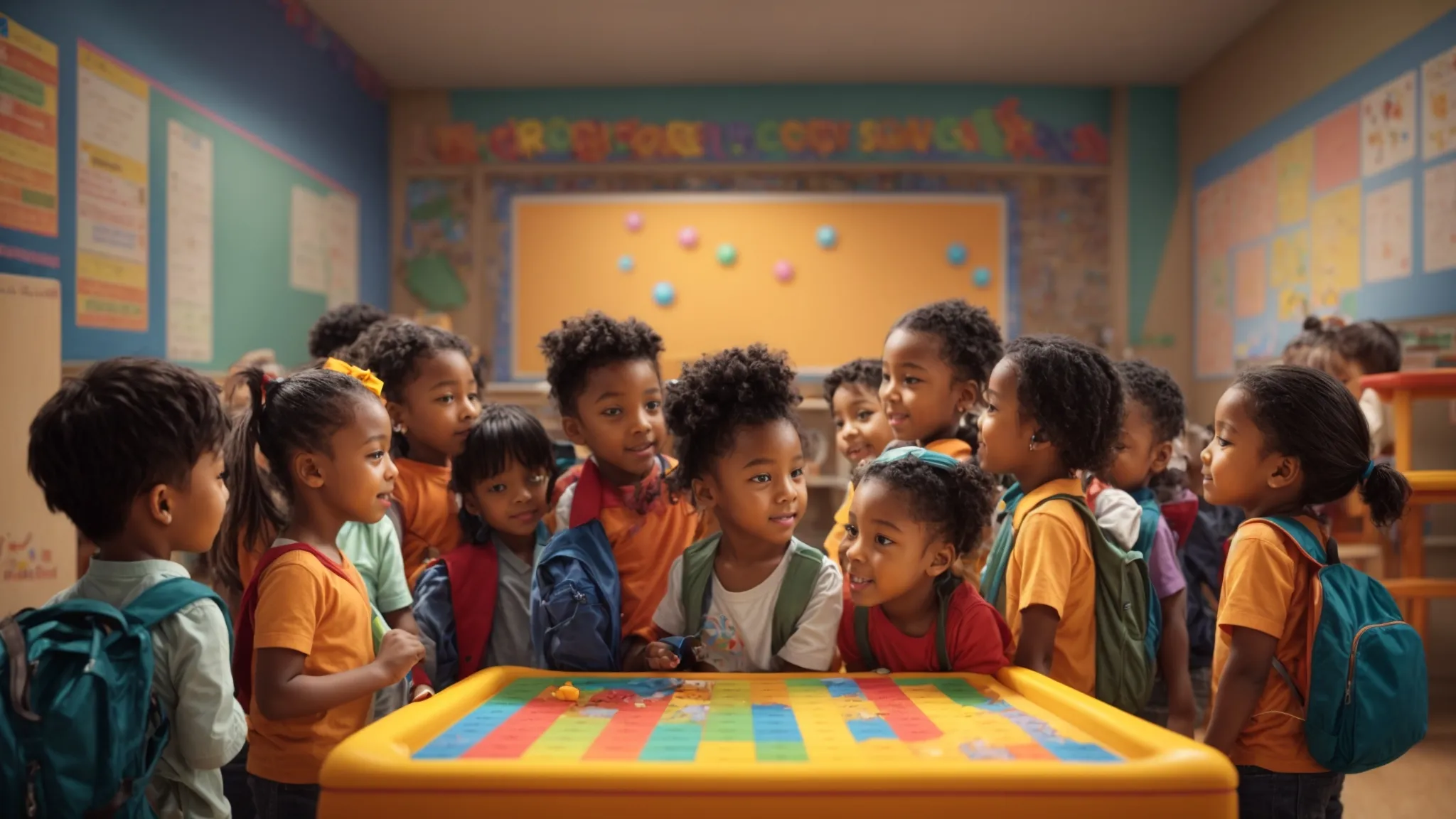
The landscape of early childhood education (ECE) stands on the cusp of transformation, with emerging trends and innovations promising to redefine the foundational experiences of young learners.
New teaching methodologies and curricula are being designed to engage children in deeper, more meaningful learning journeys, while the integration of technology in classrooms heralds a new era of interactive and personalized education.
This forward-looking perspective on early education not only accommodates the current societal shift towards digital fluency but also prepares children to seamlessly adapt to the evolving demands of future academic and professional environments.
As stakeholders consider these imminent changes, the strategies and tools that will shape the next generation’s first foray into formal education are crystallizing, with profound implications for their developmental trajectory.
Trends Shaping the Future of ECE
Emerging trends in Early Childhood Education (ECE) emphasize the significance of adaptive learning environments and bilingual programs, catering to the diverse needs of the modern learner.
- Innovative learning spaces are being designed to support the physical, cognitive, and emotional needs of children, with flexible furnishings and technology integration.
- There is a growing emphasis on bilingual education, recognizing the cognitive benefits and cultural awareness that come with mastering multiple languages from a young age.
- Advancements in assessment tools are enabling educators to gain precise insights into a child’s development, allowing for more personalized and timely interventions.
Innovations in Teaching Methods and Curriculum
As the bedrock of childhood development, early childhood education is experiencing breakthroughs in teaching methods and curriculum design, reflecting a revolution in educational thought and practice. Specially tailored programs are incorporating emotional intelligence frameworks alongside traditional academic learning, resulting in curricula that address the full spectrum of early development. Educators are embracing dynamic instructional techniques, bridging cognitive theory and practical application to foster children’s intrinsic motivation and natural propensity for discovery.
The Growing Importance of Technology Integration
The infusion of technology into early childhood education heralds a significant shift in instructional strategies, fortifying the bridge between theoretical learning and real-world application. As digital tools proliferate within educational settings, they equip children with essential 21st-century skills, enabling interactive learning experiences that cater to diverse learning styles and pique children’s natural curiosity. This heightened integration demonstrates a commitment to preparing students for a future where digital literacy is interwoven with all aspects of life.
Making the Case for Increased Investment in ECE
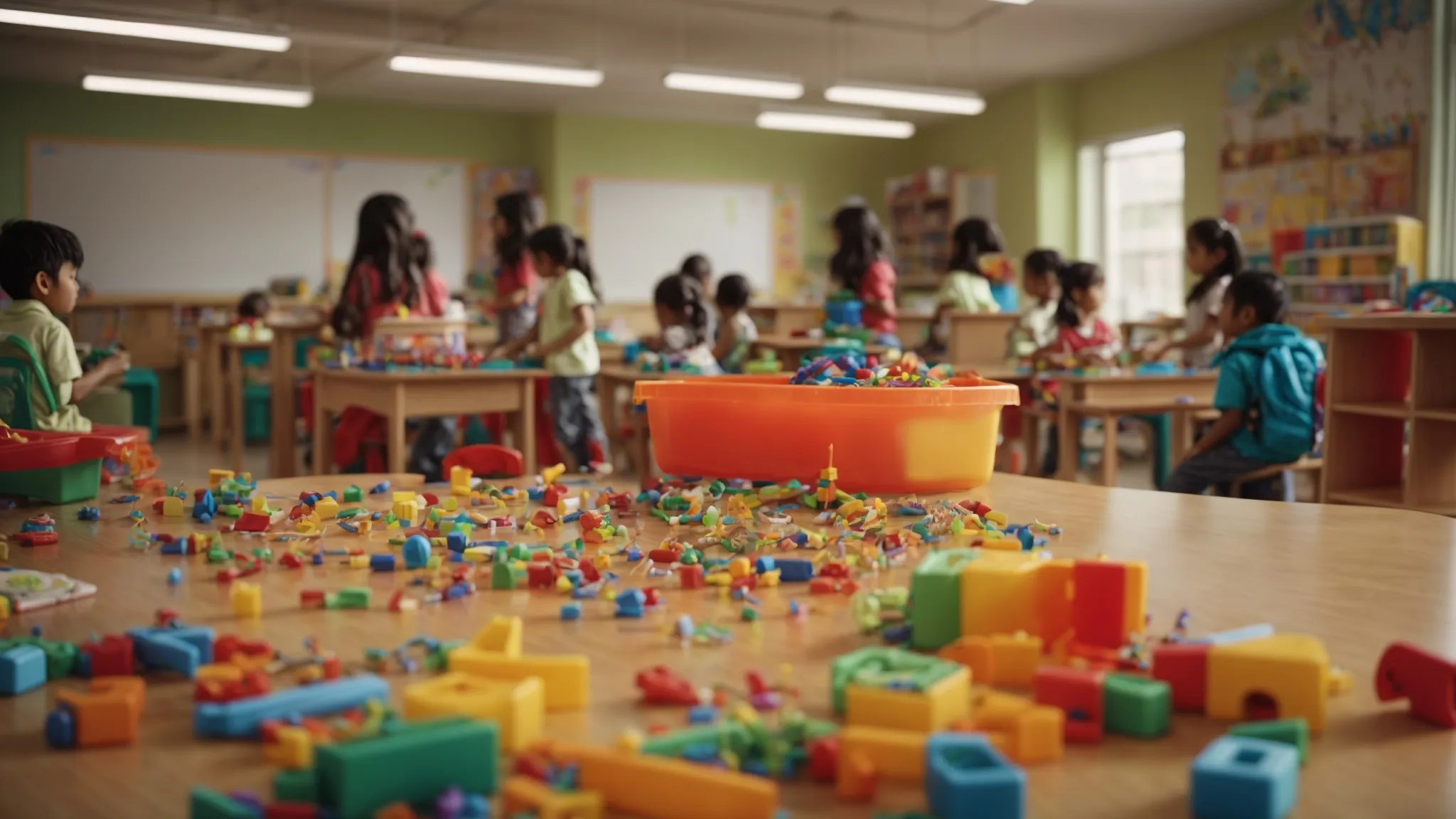
Investing in the domain of Early Childhood Education (ECE) transcends concept; it is a tangible strategy with multifarious benefits that extend across the spectrum of societal metrics.
Arguments in favor of channeling funds into early education spotlight the economic wisdom of such initiatives—where early interventions can yield significant long-term savings and heightened productivity.
Addressing disparities in access and quality of early education is an essential endeavor for promoting social justice and equity, as it provides children from all backgrounds with a fair start in life.
This level of commitment to ECE invariably translates to enhanced outcomes, crafting an educated, well-adjusted, and productive populace equipped to drive the engine of progress and prosperity.
Economic Arguments for Investing in Early Education
Mounting economic evidence suggests that investments in Early Childhood Education (ECE) generate substantial public savings over the long term: children who participate in high-quality ECE are more likely to succeed academically, procure stable employment, and contribute positively to the economy. This correlation between ECE and economic advancement underscores the principle that educational expenditures during the critical early years are not merely costs but high-yield investments.
- Economic data point to a reduction in future public spending on social services when ECE is prioritized.
- Longitudinal studies show a correlation between early education and increased lifetime earnings for individuals.
- Communities benefit economically from lower crime rates and higher civic participation linked to early educational intervention.
Social Justice and Equity Considerations
Ensuring equitable access to Early Childhood Education (ECE) is imperative for laying the groundwork for social justice, as it provides children from diverse socioeconomic backgrounds with the essential skills needed to navigate and thrive in society. By investing in inclusive educational practices, stakeholders endorse a more equitable start for all children, thereby fostering a generation that can transcend the limitations imposed by economic disparity and contribute meaningfully to an egalitarian society.
How Investment Translates to Better Outcomes
Investing in Early Childhood Education catalyzes a domino effect of advancements in a child’s educational trajectory, enabling more substantial intellectual growth, higher academic achievement, and improved social interactions that together pave the path for a well-adjusted adulthood. Enhanced funding facilitates access to top-quality educational programs, which research consistently shows can accelerate development across a broad range of cognitive, emotional, and language-based skills.
Conclusion
Early childhood education lays the essential groundwork for cognitive, linguistic, and social-emotional development during critical brain growth periods.
Quality programs in early education shape a child’s ability to think critically, communicate effectively, and interact empathetically with others.
Investing in these foundational years leads to long-term societal benefits, including reduced public expenditure and a well-prepared workforce.
Effective early childhood education, therefore, is a cornerstone for individual success and a thriving, equitable society.