




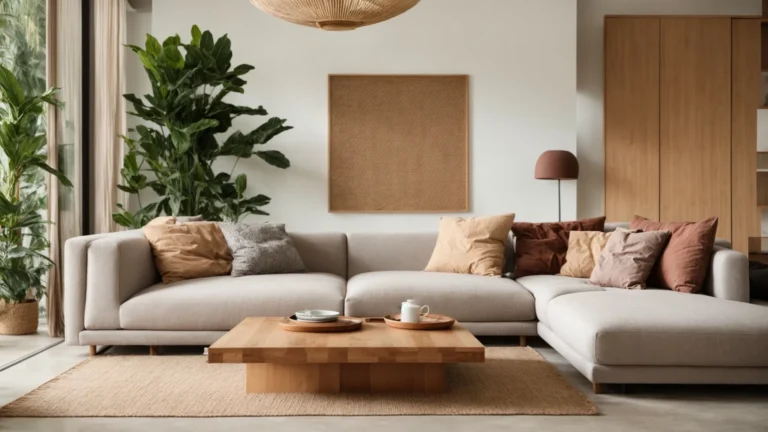
Eco-Friendly Choices for Your Home Decor: Sustainable Interiordesign Materials
As homeowners ponder the impact of their decor choices, the shadow of the carbon footprint looms large.
Movements toward sustainability have begun to ripple through the foundation of interior design, with an acute focus on materials that offer a gentle embrace rather than a heavy hand to our vulnerable forests and escalating greenhouse gas concerns.
Imagine a living space where the walls echo the resilience of cork oaks, or a bedroom where your bed becomes a statement of environmental stewardship.
This shift towards eco-conscious materials isn’t just a passing trend; it’s a vital step toward a harmonious balance with our planet.
Keep reading to unearth how your home can become a bastion of sustainability without sacrificing an iota of style or comfort.
Key Takeaways
- Sustainable Home Design Integrates Eco-Friendly Materials Without Sacrificing Aesthetic Appeal
- Choices in Sustainable Materials Can Significantly Impact Energy Efficiency and Indoor Climate Control
- Transparency in Material Sourcing and Production Enhances Consumer Trust in Sustainable Design
- Innovations in Sustainable Interior Design Materials Offer Alternatives to Traditional, Resource-Intensive Options
- Adoption of Sustainable Materials in Home Design Signals a Commitment to Addressing Environmental Challenges
Sustainable Interior Materials: Designing an Eco-Friendly Home
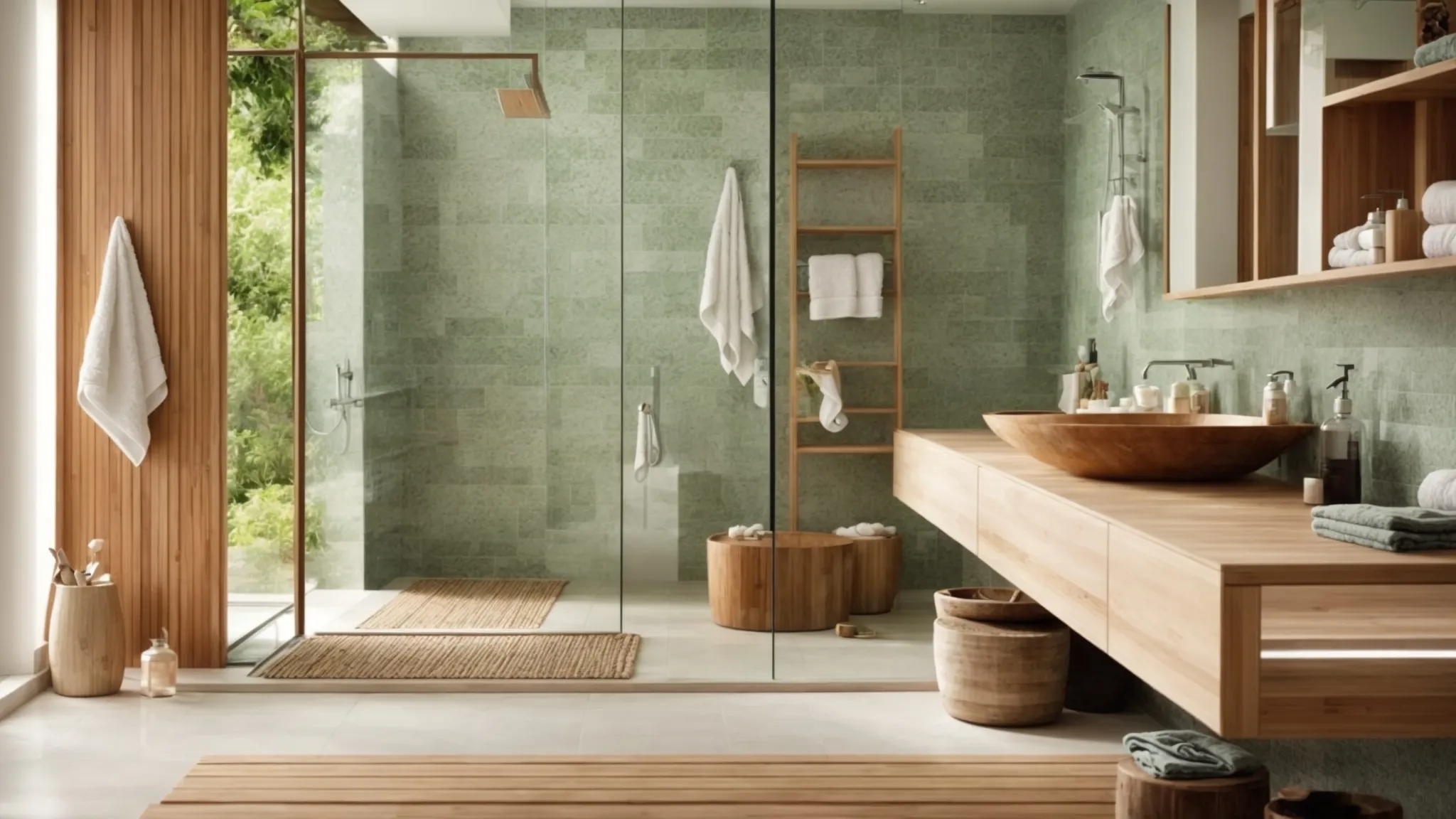
The transformation into an eco-conscious dwelling begins with a shift towards materials that reflect a commitment to the environment and an understanding of the circular economy. Through integrating organic and recycled substances into home design, homeowners participate in a greater movement that promotes economic sustainability without compromising aesthetic appeal.
In regions where the battle against heat is constant, design choices are pivotal for maintaining an interior climate that’s both comfortable and energy-efficient. Materials like natural cotton prove useful not only for their breathability but also for their versatility, becoming an ideal selection for anything from living room furnishings to fluffy bathroom towels.
Speaking of the bathroom, the selection of sustainable materials in this personal space is often overlooked, yet holds great potential for environmental impact. With options ranging from recycled glass tiles to bamboo accessories, residents can curate a space that aligns with their ecological values:
| Material | Application | Sustainability Benefit |
|---|---|---|
| Recycled Glass Tiles | Bathroom Flooring and Walls | Decreased Resource Consumption |
| Bamboo Accessories | Decor and Functionality | Rapid Renewability |
| Cotton Towels | Bathing Comfort | Organic, Chemical-Free Production |
What Makes a Material Sustainable?

Determining whether a material can be labeled as sustainable hinges on assessing its life cycle from production to disposal. Sustainable design prioritizes resources that are non-toxic, ensuring that no harmful chemicals or toxins are released into the environment during their lifecycle. These materials are celebrated for their minimal impact on climate change and their ability to create healthier living spaces.
The most sustainable materials boast a resistance to environmental challenges such as mold, which not only prolongs their usability but also safeguards indoor air quality. With a heightened awareness, manufacturers are adopting privacy policies that provide transparency about material sourcing, production processes, and the absence of toxins. This level of disclosure fosters trust with consumers who are eager to support eco-friendly practices.
For sustainable design to truly resonate and implement change, it must embrace materials that keep the future in mind:
- Materials should have a clear and renewable source.
- Their production should require minimal energy and water consumption.
- At the end of their life cycle, they should be recyclable or biodegradable, leaving a minimal carbon footprint.
Each choice made in home decor has the potential to contribute to a larger effort against climate change, providing both a functional benefit and a moral one. By carefully selecting materials that honor these principles, homeowners bolster sustainable design efforts that promote a healthier planet for future generations.
Examples of Sustainable Building Materials
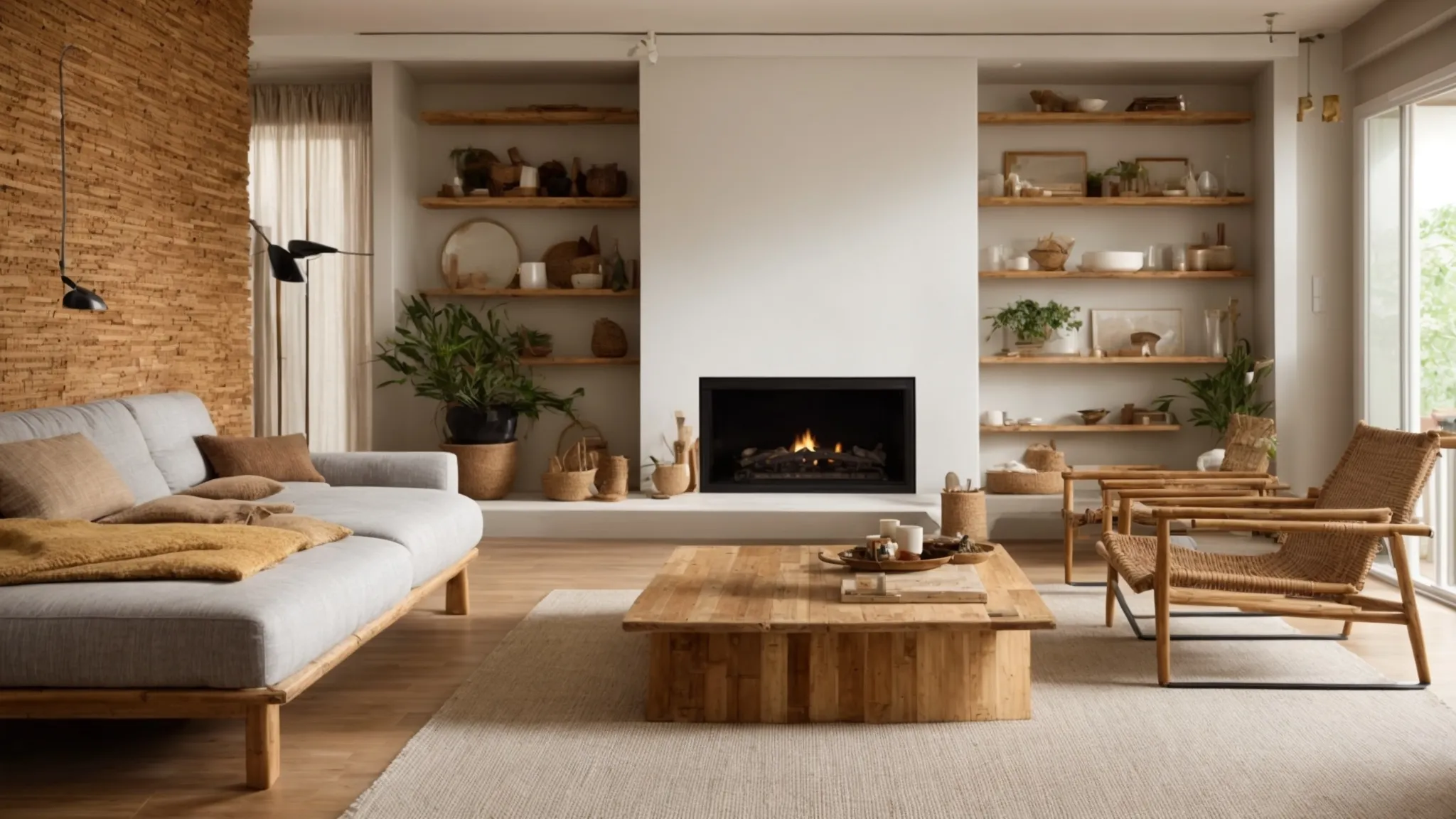
The field of sustainable interior design continually evolves, embracing materials that infuse homes with beauty while foregrounding the planet’s health.
From the rich grains of bamboo that offer a robust alternative for furniture and countertop surfaces, to the resilient warmth of cork used in flooring, each eco-friendly choice reflects a harmonious blend of aesthetics and ethics.
Innovative upcycling breathes new life into recycled wood, transforming it into statement decor pieces and architectural elements.
Low-VOC paints envelop walls in vibrant hues without compromising indoor air quality.
Meanwhile, the art of recycling takes on a new dimension with metals, reprocessed into durable fixtures and accessories.
Lastly, the timeless allure of natural stone sits at the intersection of luxury and longevity, symbolizing an unwavering commitment to minimal consumption and maximum style.
Together, these materials pave the way for a future where home design and environmental stewardship are indistinguishably intertwined.
1. Bamboo
Integrating bamboo into architectural applications demonstrates a creative approach to minimizing environmental impact; be it as elegant floor tiles or as an alternative to traditional wood, bamboo stands out for its swift growth rate and capacity for regeneration. This remarkable plant offers durability paralleled by hardwood, yet it surpasses its contemporaries by thriving on renewable energy sources, making it an exemplar of sustainability and innovation in interior design.
2. Cork
Cork stands as a beacon of innovation in sustainable home design, embodying water conservation through its low water usage during production. The versatility of this renewable material extends into various applications from aluminium-backed insulation to cork brick cladding, providing a unique thermal barrier for any room. Its natural texture and comfort underfoot have made cork flooring an increasingly popular choice for those seeking a balance between eco-friendliness and modern living.
3. Recycled Wood
In the realm of architecture, reclaimed oak emerges as a stalwart choice, infusing spaces with warmth and history while significantly reducing the ecological footprint of the build. Carefully salvaged from old structures and upcycled into furniture, this durable wood carries the narrative of its past life into contemporary design, marrying tradition with an environmentally conscious ethos.
4. Low-Voc Paints
In the pursuit of longevity without leaving a harmful imprint on the environment, architects and homeowners alike have turned their attention to Low-VOC paints. These coatings not only align with the rigorous ethics of sustainable design but also eliminate the risk of indoor pollutants, often associated with traditional paints. Encapsulating the romantic ambiance of Italy in one’s abode becomes an eco-friendly reality, as these paints offer a lush, enduring palette without compromising the air quality.
| Material | Application | Eco-Friendly Attribute |
|---|---|---|
| Low-VOC Paints | Interior Walls and Ceilings | Reduces Indoor Pollutants |
5. Recycled Metal
Recycled metal stands as a stalwart in sustainability, holding the fort against excessive carbon dioxide emissions. Its transformation from scrap to sleek furnishings and decorative elements exemplifies a closed-loop process that champions environmental stewardship. Upholding the privacy of bark-clad forests, this approach also honors the legacy of resources for future generations by diverting waste from landfill sites and reducing the need for virgin material extraction.
6. Natural Stone
In the heart of the kitchen, where families gather and memories are made, natural stone merges elegance with eco-consciousness. Flanked by cabinetry crafted from sustainable sources, stone countertops provide not only a durable working surface but also reduce air pollution by foregoing the manufacturing processes that release harmful compounds. Complementing materials like rattan can further transform any culinary space into an environmentally responsible sanctuary, embodying an informed approach to interior design marked by both style and substance.
Innovations in Eco-Friendly Home Decor Materials
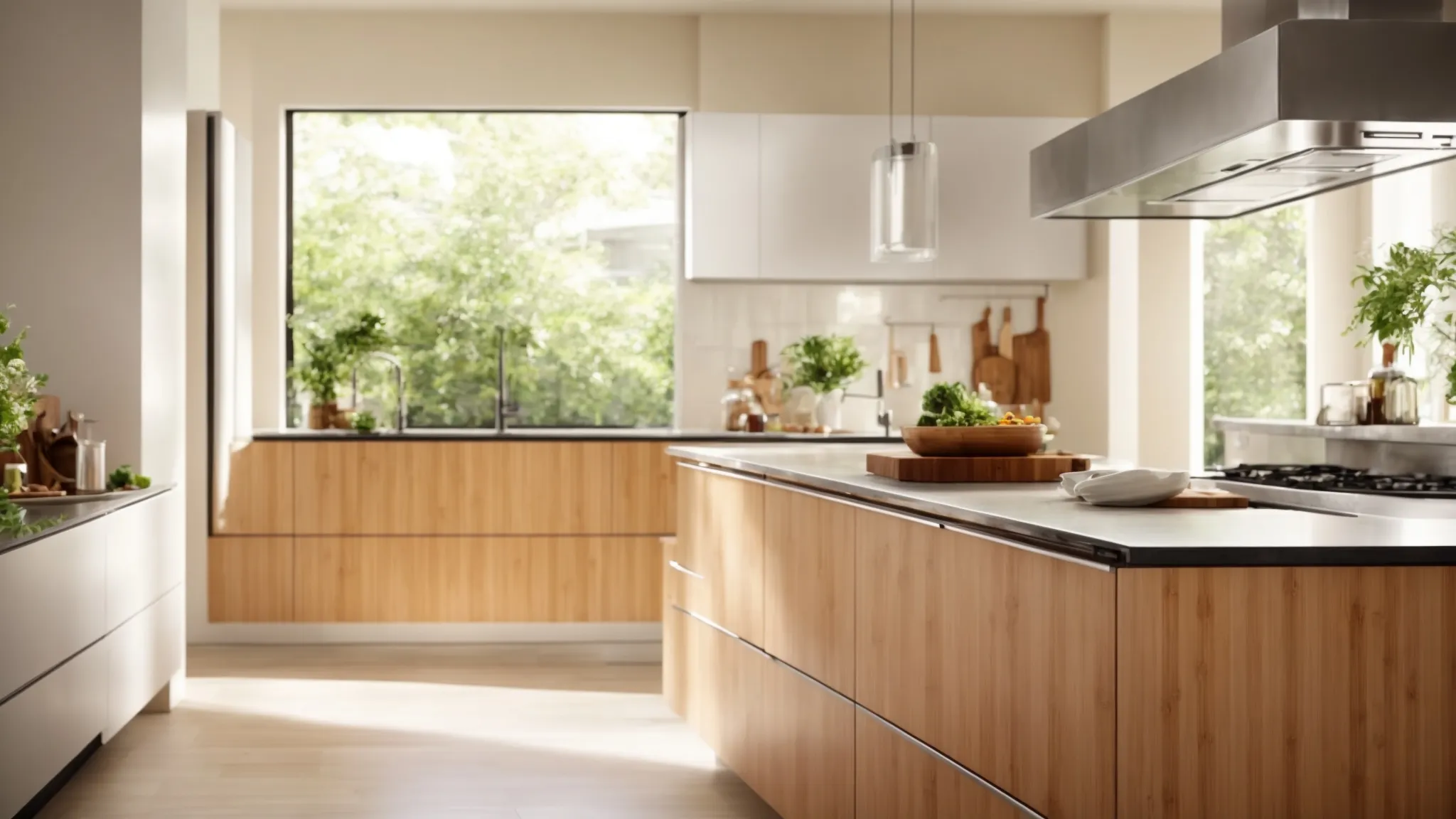
The surge in ecological awareness has yielded cutting-edge materials that expand the options for chic, sustainable home interiors.
Bio-Glass introduces an avant-garde twist to countertops, composed entirely of recycled glass without added colorants, capturing the essence of modernity while supporting reuse and sustainability.
Linoleum, once a household staple, returns to the limelight, its composition of natural materials such as linseed oil and cork offering an eco-friendlier alternative to vinyl flooring, often mistaken as its counterpart.
Exhibiting terrazzo-like patterns, this durable product complements the raw elegance of bamboo cabinetry, harmonizing with both minimalist and eclectic aesthetics.
As an effective insulator, wool serves a dual purpose, enriching home comfort by steadily regulating indoor temperatures and acoustics, reducing reliance on energy-intensive heating and cooling systems.
Together, these innovative solutions underscore a departure from traditional, cement-heavy practices towards a cohesive vision for a home that is both environmentally conscious and stylistically sophisticated.
Bio-Glass for Countertops
The arrival of Bio-Glass as a countertop material marks a remarkable evolution from traditional options like granite, driven by research and development in sustainable construction methods. This 100% recycled glass product eschews the need for harmful adhesives, offering a surface that’s as easy on the eyes as it is on the environment. Unlike typical compost processes, Bio-Glass production transforms what was once waste into a highly durable and aesthetically pleasing countertop solution.
| Criteria | Granite | Bio-Glass |
|---|---|---|
| Material Source | Natural Stone | 100% Recycled Glass |
| Environmental Impact | Quarrying and Transport-Intensive | Low-Impact, Reduces Landfill Waste |
| Adhesive Requirement | Yes | No |
| Research and Development | Minimal Innovation Recently | Forward-Looking, Emphasizes Sustainable Practices |
Linoleum for Flooring
In stark contrast to the cold impersonality of concrete, linoleum flooring rises as an eco-conscious choice that carries multiple environmental benefits. Made from a concoction of renewable materials like plant-based linseed oil and often incorporating recycled content, linoleum offers a sustainable alternative that reduces the need for carbon-heavy transport. Additionally, the reflective properties of linoleum can maximize the use of daylight, decreasing the demand for artificial lighting and contributing to energy conservation within homes.
| Sustainability Factor | Concrete | Linoleum |
|---|---|---|
| Base Material | Cement | Natural Linseed Oil, Cork Dust, Wood Flour |
| Environmental Impact | High Carbon Footprint from Production | Lower Carbon Footprint, Supports Waste Reduction |
| Energy Consumption | Transport and Installation Energy Intensive | Reduces Energy with Natural Daylight Reflection |
Wool Insulation for Temperature Control
Turning to wool as an insulating material is not only an exercise in traditional wisdom but also a strategic choice for modern energy conservation measures. Wool, a sustainable incarnation of a renewable resource, effortlessly exceeds conventional insulation materials like rock or fiberglass in environmental integrity. Its inherent properties support superior indoor air quality by mitigating contaminants and stabilizing humidity levels, all while diverting potential waste from landfills and diminishing the reliance on fossil fuels for temperature regulation.
| Aspect of Sustainability | Benefit of Wool Insulation |
|---|---|
| Renewable Resource Utilization | Enables continuous, low-impact sourcing from sheep |
| Contribution to Indoor Air Quality | Helps to purify air, manages indoor humidity |
| Reduction in Landfill Waste | Biodegradable nature means less material sent to landfills |
| Conservation of Energy | Traps heat effectively, reducing the need for additional heating fuel |
How to Incorporate Sustainable Materials in Home Design

Homeowners can initiate their journey towards a greener habitat by opting for steel in their structural and decor elements. Recognized for its strength and the ability to be recycled indefinitely without loss of quality, steel presents a durable option for furniture frames, paneling, and accent details, contributing to the ethos of sustainable interior design materials.
Incorporating organic cotton into upholstery, drapes, or bed linens ensures a toxin-free environment, enhancing both comfort and indoor air quality. This material, cultivated without the use of synthetic pesticides, offers a gentle touch-point within the home that’s both sustainable and kind to sensitive skin.
| Material | Use in Home Design | Sustainable Benefits |
|---|---|---|
| Steel | Structural Elements, Furniture Frames | Highly Recyclable, Durable |
| Organic Cotton | Upholstery, Bed Linens | Non-Toxic, Comfortable |
| Straw | Insulation, Decorative Finish | Biodegradable, Renewable |
| Jute | Rugs, Window Treatments | Sustainable Growth, Biodegradable |
Handwoven jute rugs and natural fiber window treatments can dramatically change a space while adhering to sustainable practices. Jute, often grown in rainfall-fed fields, requires minimal fertilizer or pesticide, and its soft fibers add an organic, earthy aesthetic to any room.
The Benefits of Choosing Sustainable Materials for Home Decor
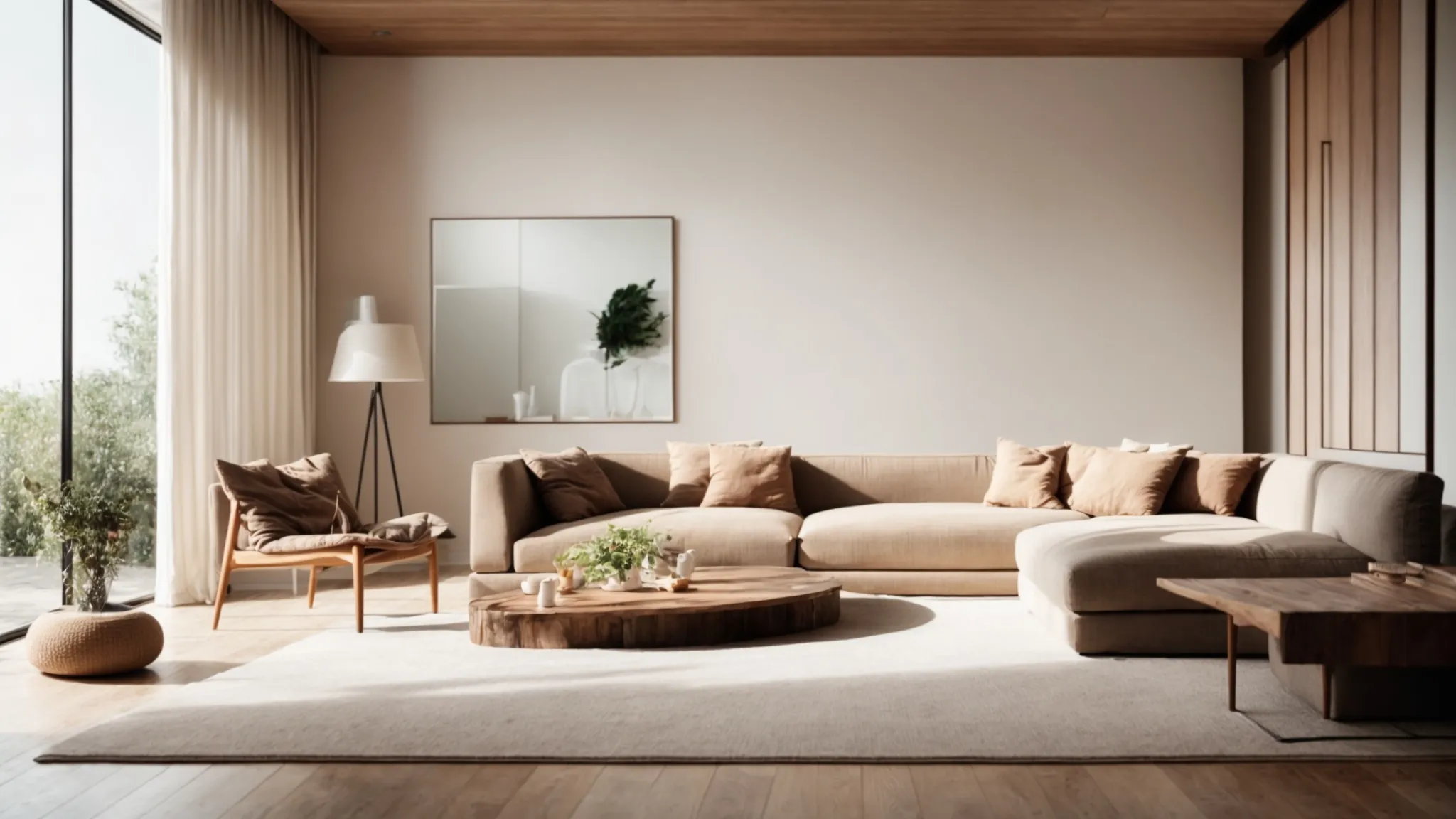
Opting for sustainable materials in home decor extends beyond personal taste, serving as a testament to one’s allegiance to the planet. Each eco-friendly purchase signals a stand against the pressing environmental issues that cloud our collective horizon. Homeowners become advocates for change, choosing brands that prioritize the Earth’s wellbeing as part of their core philosophy.
Copyright does not merely secure the proprietary rights of a design; it safeguards the innovative use of raw materials that bear minimal impact on ecosystems. By selecting decor elements from conscientious brands, consumers ensure that their aesthetic preferences foster a healthier environment. This conscious choice not only enhances the living space but also contributes to a broader, global impact.
The narrative of sustainable interior design is weaved from the raw materials that underpin its creations. Materials chosen with regard to their environmental footprint empower homeowners to address environmental issues through daily living choices. Engaging with brands that offer eco-friendly alternatives does more than decorate a home; it endorses a lifestyle that respects and protects the delicate balance of our planet.
Exploring the Future of Sustainable Interior Design Materials
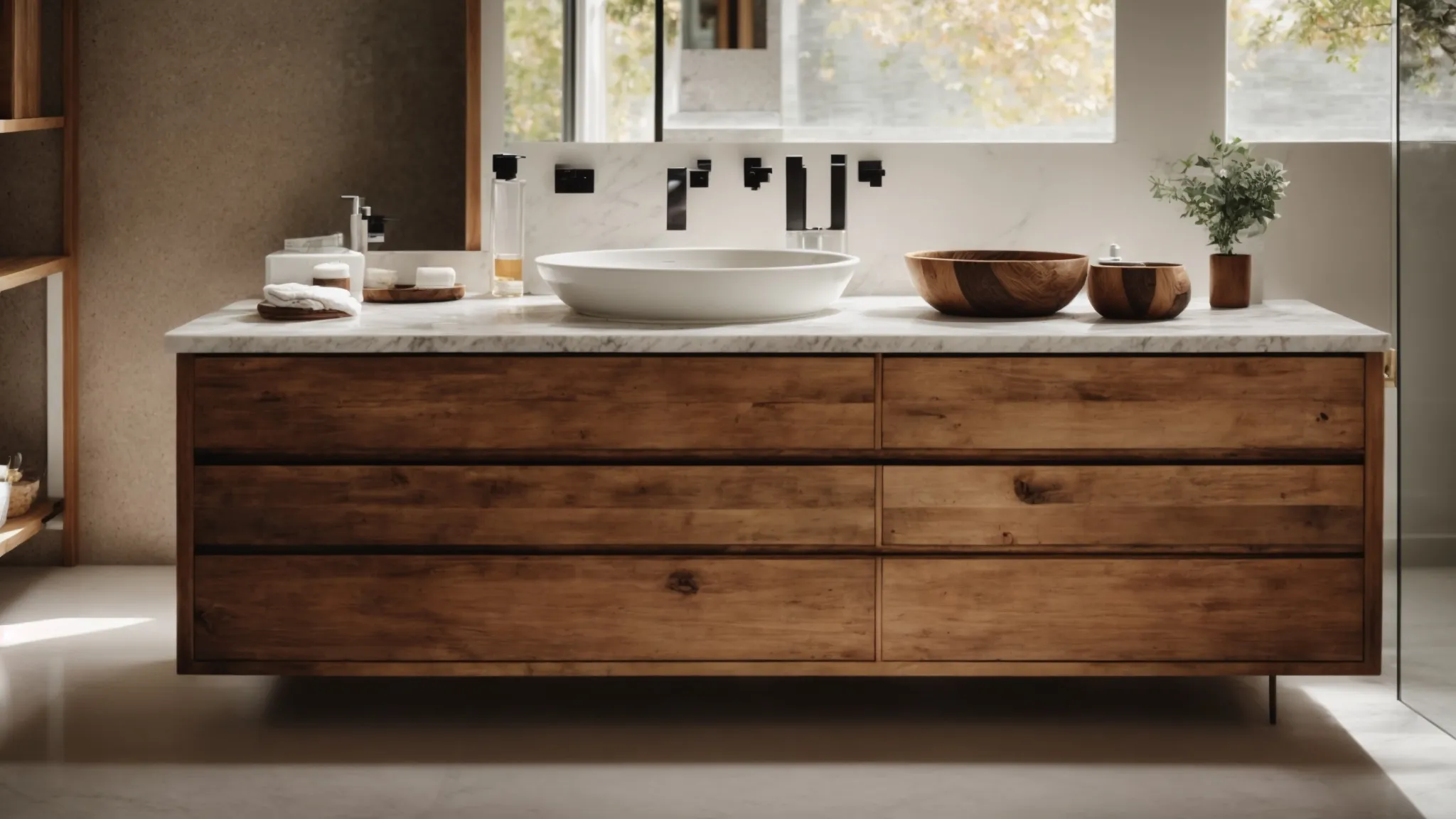
The path toward reducing fossil fuel dependency extends to the materials used within homes. Innovations are consistently shaping the marketplace, introducing sustainable alternatives that exhibit both beauty and respect for the environment. Among these include engineered products that replicate the luxurious appeal of marble, minimizing the need for extensive quarrying activities.
In bathroom design, contemporary solutions are emerging to replace traditional lumber-based vanities and cabinets. The use of reclaimed wood or innovative composites encourages the preservation of forests, helping reduce the atmospheric carbon dioxide that exacerbates the greenhouse effect. This shift not only transforms the shower space into an eco-friendly oasis but also sets a precedent for responsible consumption in home furnishings.
Future trends in sustainable interior design suggest a shift towards even greener methods. Discarded marble chips, once considered waste, are now finding their way into composite tabletops that rival the aesthetic of solid stone. Not only do these practices prevent valuable scraps from littering the landscape, but they also offer a novel way to cherish the timeless elegance of marble without further depleting natural resources.
| Material Innovation | Description | Environmental Benefit |
|---|---|---|
| Engineered Marble | Aesthetically similar to natural stone | Reduces quarry extraction, lowers carbon footprint |
| Reclaimed Wood | Used in bathroom vanities and cabinets | Supports forest preservation, mitigates greenhouse gases |
| Marble Chip Composites | Countertops and tabletops made from recycled marble | Eliminates waste, conserves marble resources |
Conclusion
Selecting sustainable materials for home decor is an empowering act of environmental stewardship, allowing homeowners to contribute to the conservation of our planet’s resources.
By integrating materials like bamboo, recycled wood, and low-VOC paints, individuals elevate their living spaces without sacrificing style or the Earth’s wellbeing.
Innovations in eco-friendly materials, such as Bio-Glass and linoleum, offer modern alternatives that align with an ethos of waste reduction and energy conservation.
As the sustainable interior design movement grows, it prompts a global shift towards responsible consumerism and a more thoughtful approach to decorating our homes.